
Vacation apartment in Pune
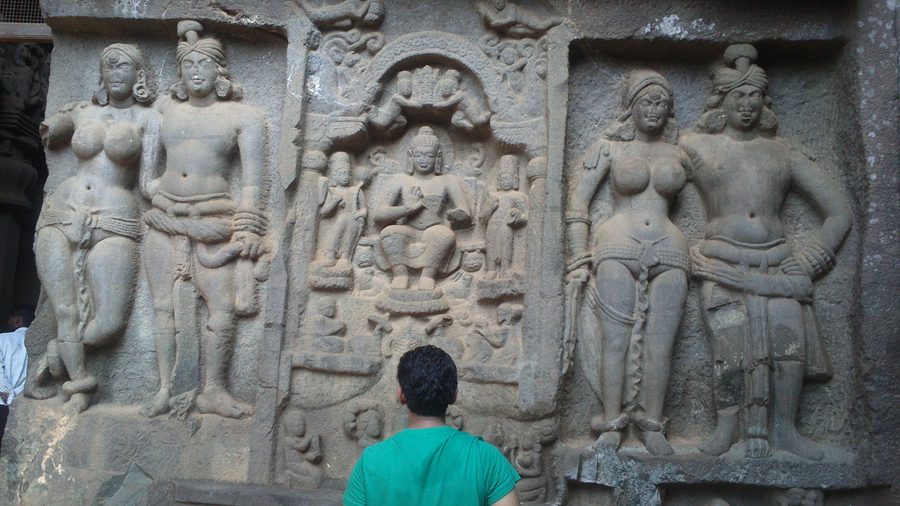 Die Karla-Höhlen sind ein antiker buddhistischer Felskomplex nahe Lonavala.
Photo: Upendra Pandey via Wikimedia Commons, CC BY-SA 3.0
Die Karla-Höhlen sind ein antiker buddhistischer Felskomplex nahe Lonavala.
Photo: Upendra Pandey via Wikimedia Commons, CC BY-SA 3.0
Pune combines the vibrant character of a large city on the Deccan Plateau with the long history of Maharashtra and varied landscapes in the wider district. For your travel planning, this creates a clear choice: do you want to experience Pune itself through culture and regional tastes, or focus your stay more on hills, lakes, and historical excursion destinations?
Quick facts about Pune
- Pune is located in Maharashtra on the Deccan Plateau and is the administrative center of the Pune district and the Pune division.
- The wider district combines a long settlement and trading history with the transition between the Konkan coast and the Deccan.
- Pune can be understood as a lively large city with its own regional history and culture, not just as a starting point.
- In the wider area, forts, lakes, hills, and nature outings are also in focus alongside urban and historical themes.
City life and history as a travel element of its own
Pune is not just a practical name on the route. The city stands for urban life and regional history; at the same time, the district points to old settlement and trading areas between the Konkan coast and the Deccan. If you want to see not only landscapes with your family but also learn about the everyday life of a large city and historical connections, Pune itself can become a separate focus.
Food can also be an easy way to approach the region. In connection with an outing in the Pune area, Pithla-Bhakri and hot chai are mentioned as simple regional food. Chikki, a sweet made from jaggery and peanuts, is associated with the Lonavala region. These examples are not specialties unique to Pune, but they add another taste dimension to your trip between city program and excursion day.
For broader context, you can also open the Maharashtra page from Pune. As a specific urban base among the places listed here, Pune is provided.
Hills, lakes, and historical routes in the surrounding area
The wider Pune travel area creates a clear contrast to a city stay. Lonavala, Khandala, and Lavasa are presented in the descriptions as landscape-oriented destinations with hills, lakes, or viewpoints. This can turn a cultural trip into a mixed stay, where days in the city are followed by landscape experiences.
The Karla Caves are an ancient Buddhist rock-cut complex whose development is linked to historical trade routes across the western mountain region. Junnar is also described in the district history as an important trading and political center for around two thousand years. This allows landscape and history to be combined without reducing the trip to a single sight.
For families with different interests, this combination can be especially vivid: while a day focused on history allows shared discoveries, hill and lakeside landscapes provide a different rhythm. No ranking of destinations or specific suitability of individual places can be derived from this.
Which base suits your travel plan?
The accommodation location should match the focus of your trip. A city-based base in Pune suits a program with city life, culture, and food. If several days are mainly devoted to hills, lakes, or caves, a location geared toward excursions may generally fit this travel pattern better. Which solution is practical depends on your route, your means of transport, and the daily rhythm; concrete distances or travel times cannot be reliably derived here.
The more your trip moves between the city, the historic surrounding area, and the western landscape regions, the more important realistic day planning becomes. A single accommodation is not automatically equally practical for every excursion. If families travel with different daily rhythms, self-catering can be organizationally useful. Whether a specific vacation apartment is suitable for this and what amenities are available must be checked separately each time.
Monsoon and flexible day planning
The monsoon from about June to September can make the western hills and water landscapes around Pune appear especially green, misty, and water-rich. This changes the character of the surroundings, particularly on landscape days. At the same time, outdoor plans remain dependent on the conditions at the time.
If you travel during this period, plan nature days flexibly and keep urban or cultural alternatives open. This keeps the stay varied even if a planned landscape day turns out differently than expected. This does not constitute a weather guarantee or a specific statement about the execution of individual activities.
More places in the Pune area
The following place names belong to the direct selection within this Pune page. They help you review possible stay destinations further, without assuming any additional landscape, transport, or accommodation characteristics for individual places: Admal, Alandi, Aundholi, Baramati, Bhigwan, Bhimashankar, Chakan, Dahivali, Daund, Dhalewadi, Dive, Dudhivare, Gevhande Apati, Ghatghar, Hinjewadi, Jadhavwadi, Jambrung, Junnar, Kadus, Kalamb, Kamshet, Kanand, Karandi Khurd, Karandoli, Karla, Khandale, Khanota, Kolechafesar, Kolvan, Kuran, Lavasa, Lonavala, Loni Kalbhor, Malavli, Narayangaon, Nasrapur, Nethersole Dam, Nigade, Pimpalwandi, Pimpri Chinchwad, Ranjangaon, Talegaon Dabhade, Uruli Kanchan, Waksai and Watunde.
Frequently asked questions about Pune
What makes Pune an interesting travel destination?
Pune is a large city on the Deccan Plateau with its own regional history and access to a historically diverse district. As a result, the city can be more than just a starting point.
What kinds of excursions can be combined from Pune?
Depending on your focus, you can combine city and cultural themes with historical caves, Junnar, and the western hill and lake landscapes. Exact travel times or the equal suitability of all destinations for day trips cannot be inferred from this.
What role does the monsoon play on a Pune trip?
The monsoon can make the western hills and water landscapes especially green and impressive. At the same time, outdoor plans remain weather-dependent, which is why urban or cultural alternatives are sensible.

