
Vacation rental or vacation home in Kerala
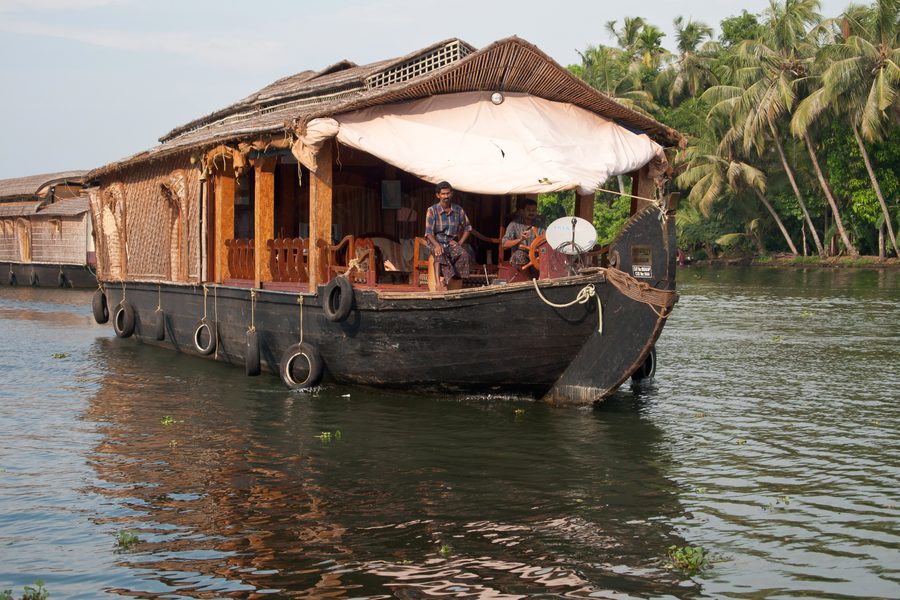 Houseboats on the Kerala backwaters, a signature landscape of central Kerala.
Photo: Vyacheslav Argenberg via Wikimedia Commons, CC BY 4.0
Houseboats on the Kerala backwaters, a signature landscape of central Kerala.
Photo: Vyacheslav Argenberg via Wikimedia Commons, CC BY 4.0
Kerala is a region for families where the choice of base noticeably shapes the holiday. Between the Arabian Sea, the backwaters, and the Western Ghats, very different travel moods emerge: water-focused and slow, greener and more secluded, or with a clear culinary profile. Kerala is part of India. Accommodation in India.
Quick facts about Kerala
- Kerala combines coast, backwaters, and hill country in a single region.
- The backwaters are a network of lakes, canals, lagoons, and rivers.
- The cuisine is shaped by the spice trade and regional influences; Appam and Chicken Stew are typical examples.
- A slower pace of travel often works better here than a tightly scheduled point-to-point itinerary.
Why Kerala is interesting as a family destination
Kerala is not a region for just one kind of holiday. That is especially helpful for families, because the coast, backwaters, and hill country create very different days. Anyone who wants to experience the landscape as part of the holiday will find a wide range of impressions in one region.
The backwaters show especially clearly how lakes, canals, lagoons, and rivers shape the pace of a stay.
Coast, backwaters, and hill country as a base
When choosing accommodation in Kerala, the main question is which landscape should take center stage. On the coast and in the backwaters, water, canals, and lagoons define the stay; in the hill country of the Western Ghats, a greener setting dominates. Anyone who stays longer in one place can usually experience Kerala more relaxedly than with many short moves.
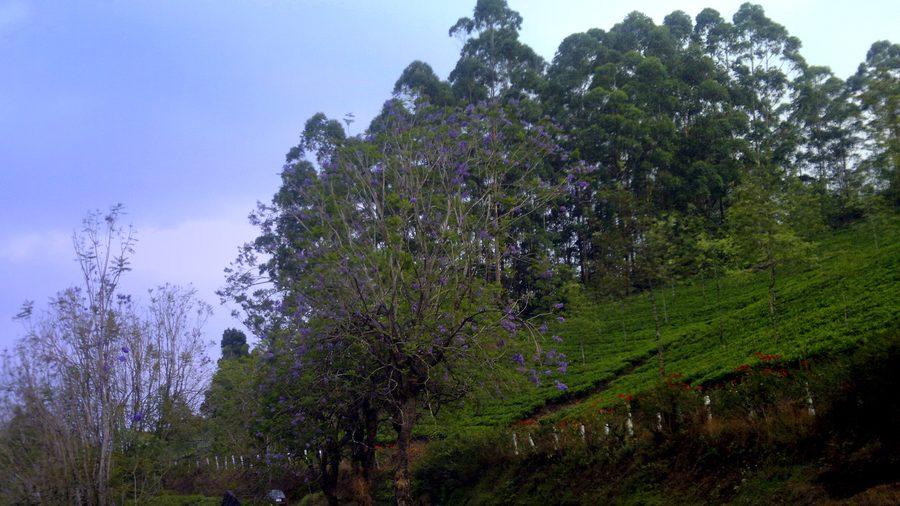
This creates a clear contrast between water landscape and hill country, making Kerala easy to grasp as a region.
Cuisine and culture give the region its profile
Kerala also has a distinct culinary character. The spice trade has shaped the region, and dishes such as Appam and Chicken Stew show how strongly food is tied to the travel experience here. That makes the region tangible for families, because landscape and everyday culture together create a clear sense of place.
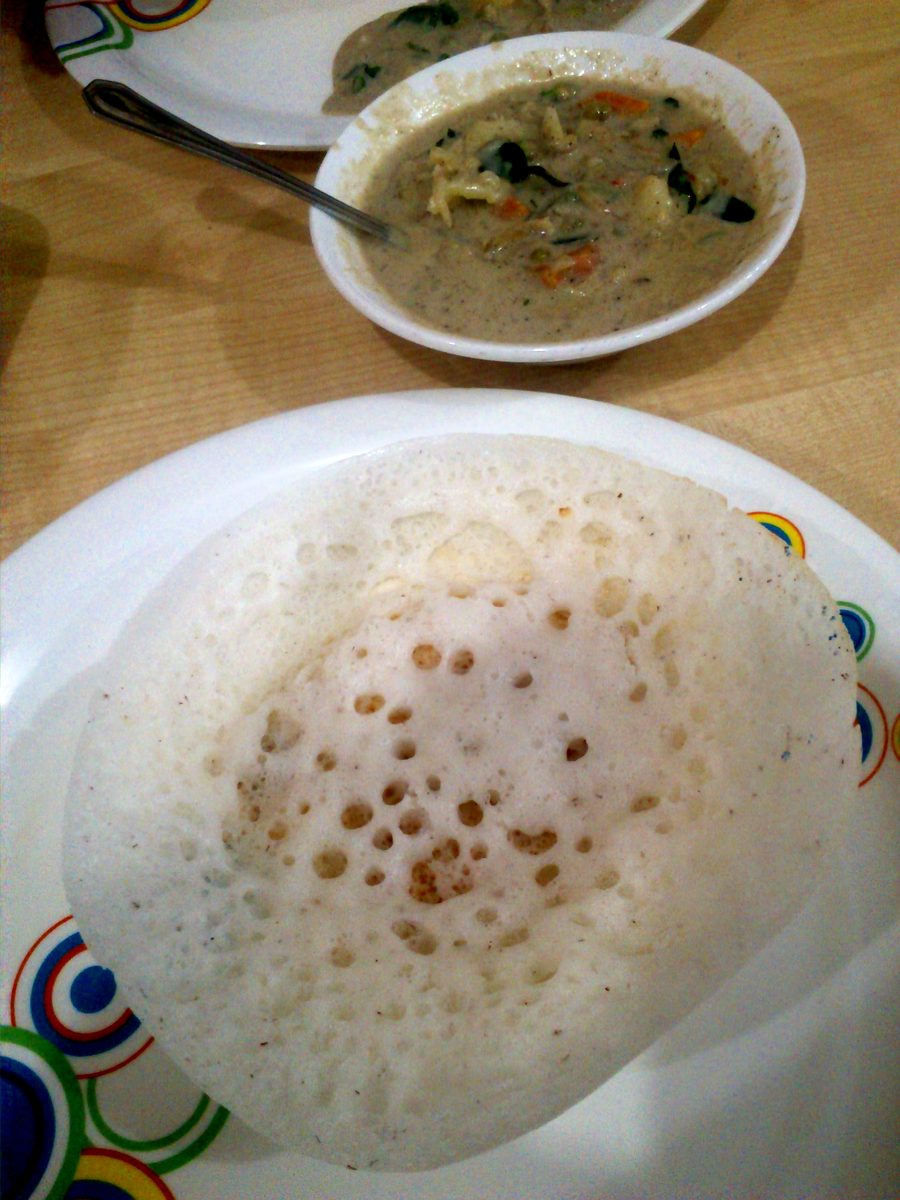
The combination of coast, backwaters, and spice cuisine ensures that Kerala feels distinctive not only in its landscape, but also at the table.
Places in Kerala
Alappuzha, Ambalapuzha, Andathode, Angadipuram, Ayyampuzha, Changanassery, Changuvetty, Cherthala, Cheruthuruthy, Cheruvally, Ernakulam, Ernakulam, Guruvayoor, Haripad, Idukki, Kallar, Kaniyapuram.
Kannur, Kannur, Karunagappally, Kasaragod, Kodur, Kollam, Kondotty, Kottayam, Kozhikode, Kulathupuzha, Kumbalam, Kuttampuzha, Kuttyādi, Lakkidi, Mala, Malappuram, Malayattur.
Manjeri, Mararikulam, Meenangadi, Methala, Nedumbassery, Nemmara, Nilambur, Nileshwar, Palakkad, Palakkad, Pallikkara, Parassinikadavu, Paravur, Pathanamthitta, Pathanapuram, Perinthalmanna, Pudunagaram, Ramakkalmedu, Ramankary.
Santhanpara, Shoranur, Thattekad, Thirunelly, Thiruvalla, Thiruvananthapuram, Thodupuzha, Thrissur, Vadakara, Vaduvanchal, Vandiperiyar, Varagampadi, Vellarada, Wayanad.
Frequently asked questions about Kerala
What makes Kerala so special for families in terms of landscape?
Kerala combines coast, backwaters, and hill country in one region. This allows families to choose very different travel moods without having to change countries.
Are the backwaters better suited to quiet days than to a full sightseeing program?
The backwaters are a network of lakes, canals, lagoons, and rivers. This water landscape shapes the daily rhythm and makes slower days especially fitting.
Why is Kerala so often associated with spices and food?
Because the spice trade has shaped the culture and cuisine of the region. Appam and Chicken Stew are typical examples of this.
Which base is better for families: backwaters or hill country?
In Kerala, the backwaters and hill country stand for two very different landscapes: there watercourses and lagoons, here the green heights of the Western Ghats. Which choice fits better depends on which image of Kerala you want to experience.


