
Holiday apartment in Tianjin
 Die Ancient Culture Street steht für Tianjins historische Kultur-, Markt- und Handelsbezüge.
Photo: Shubert Ciencia via Wikimedia Commons, CC BY 2.0
Die Ancient Culture Street steht für Tianjins historische Kultur-, Markt- und Handelsbezüge.
Photo: Shubert Ciencia via Wikimedia Commons, CC BY 2.0
Tianjin combines historically significant architecture with internationally influenced buildings, river and cityscapes, traditional markets, and modern development areas. For families, the appeal lies less in a single sight than in the changing building blocks of the day: taking in the cityscape, gathering impressions along the Haihe, exploring markets and crafts, trying local snacks, and deliberately leaving space for quieter moments in between.
Quick facts about Tianjin
- City character: historic cultural sites, striking architecture, and river and urban landscapes
- Culture and markets: Ancient Culture Street combines temple associations, commerce, crafts, and local snacks.
- Culinary examples: stuffed baozi, fried glutinous rice cakes, and tea soup
- Different experience areas: historic central districts, Haihe-shaped cityscapes, and the more modern Binhai New Area
Historic cityscapes and the Haihe
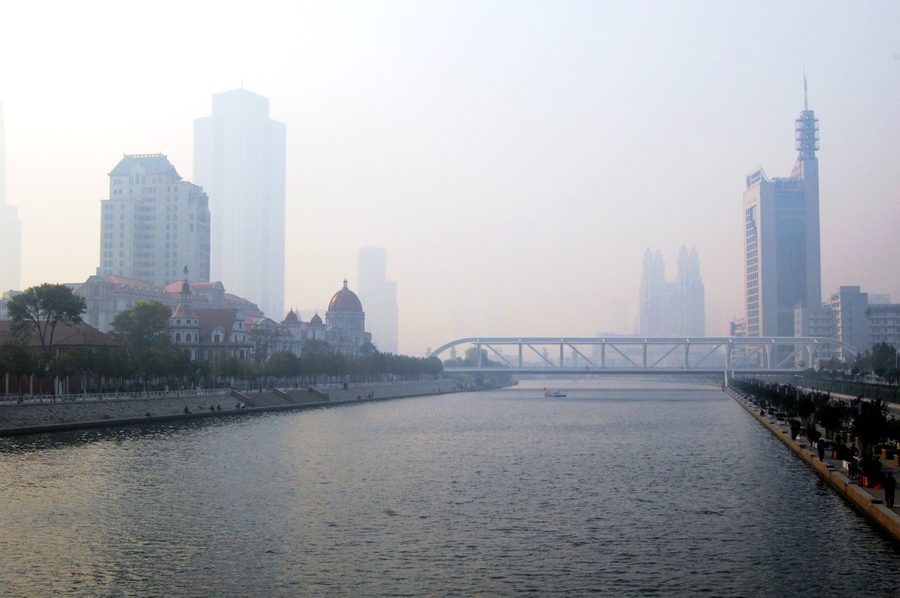
Historic and internationally influenced architecture is part of Tianjin’s distinctive cityscape. That makes exploring the city varied even when not every stop is tailored to a specific special interest. Between historic cultural sites and the landscapes along the Haihe, there is a contrast between dense architecture and riverside views.
For a family trip, this can create a flexible rhythm: a cultural highlight can be paired with a city walk or a stretch by the river without filling the whole day with fixed sightseeing stops. Anyone who mainly wants to experience historic cityscapes and architecture will find suitable points of connection in the inner-city areas. When looking for accommodation, a location that supports the desired downtown day-to-day rhythm is therefore sensible—compare current routes and accessibility based on the places you plan to visit.
Ancient Culture Street: temple associations, markets, and crafts
Ancient Culture Street is described as a historically shaped area with connections to temples, markets, and trade. Market and craft atmosphere complement the cultural exploration there. For families, a visit works well as a building block that can be combined with other parts of the trip: look around, experience the market and craft atmosphere, and add culinary impressions without turning it into a fully scheduled program.
The Tianjin specialties mentioned here include stuffed baozi, fried glutinous rice cakes, and tea soup. These examples make Tianjin tangible beyond architecture and history. Anyone who sees food and a market visit as part of exploring the city can make the day’s planning more varied and add easy culinary breaks between cultural moments. The dishes named here are examples, not a complete list; specific restaurants, prices, and opening hours are not part of this overview.
City center or Binhai as the focus?
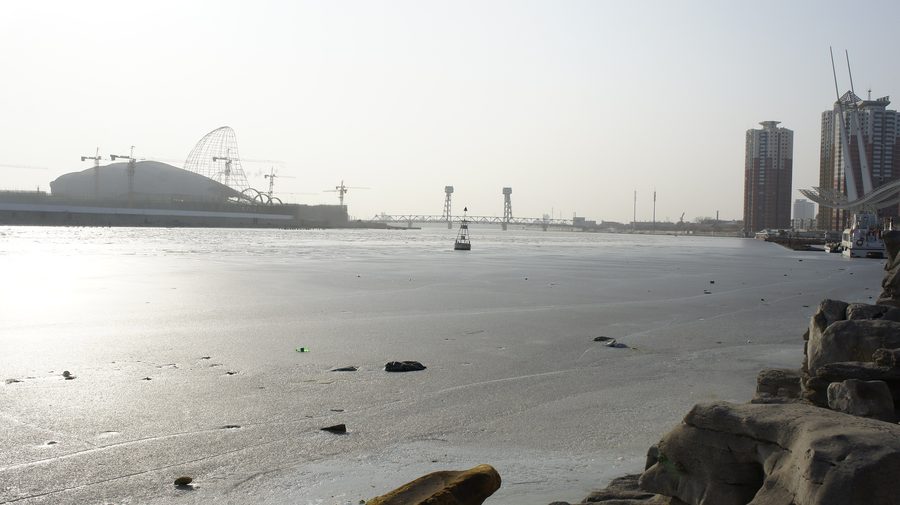
Tianjin can be understood as a city with different experience zones. Historic central areas and the Haihe stand for culture, architecture, and river scenery. The more modern Binhai New Area creates its own program focus with a maritime feel.
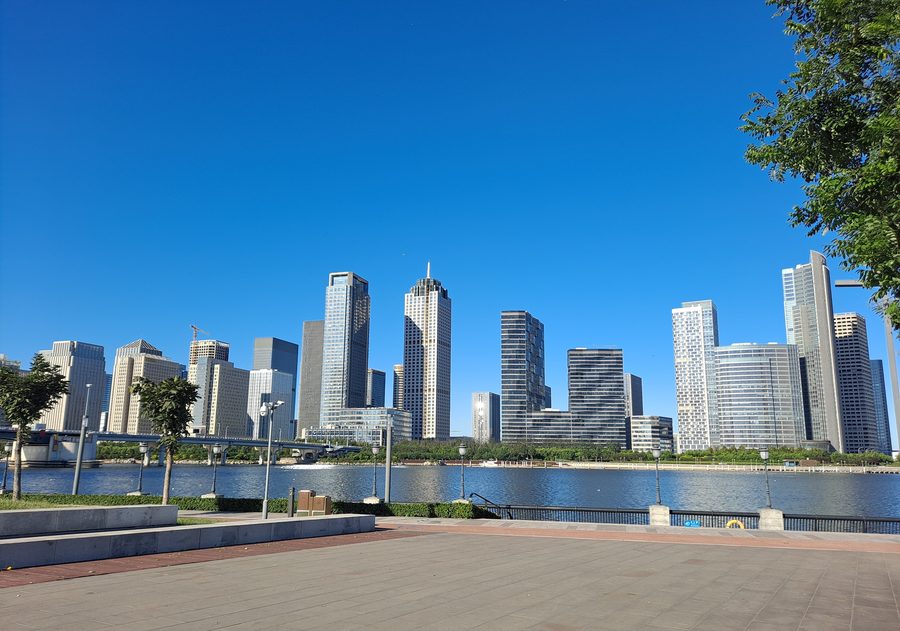
The choice of accommodation should therefore depend on the desired mix of experiences. If historic districts, Ancient Culture Street, architecture, and local cuisine are the main focus, a location that fits well into an inner-city day plan makes sense. Anyone who explicitly wants to include Binhai and its more modern, maritime-oriented sights should take that focus into account when choosing a location and not automatically treat it as a small side trip from the historic center. No specific best location or comfort advantage for individual districts can be inferred from this.
For families, the way the day is planned is also important: Tianjin allows a mix of architecture, river and city views, market visits, food, and cultural places. A holiday apartment can be attractive if flexible meal and rest times matter. However, this does not imply any particular amenities for a specific property. When choosing, check the actual property details and align the location with the experiences you want to enjoy together.
Planning Tianjin as a standalone city experience
Tianjin suits travelers who want to get to know a city not only through its sights but through its different cityscapes. Historic architecture, the Haihe, Culture Street, markets, crafts, and the snacks mentioned here can be understood as independent themes; Binhai adds an extra modern accent. For relaxed family planning, it makes sense not to combine these elements too tightly, but to alternate culture, food, city walks, and quieter stretches.
There is no single best time to travel for this mix of experiences. What matters more is which parts of the program you prioritize and how much flexibility your family needs in the day-to-day schedule. Before you travel, check current transport connections and local conditions according to the areas you have chosen. For a broader starting point when selecting within Tianjin, you can find further orientation at Tianjin.
Frequently asked questions about Tianjin
What makes Tianjin special as a destination?
Tianjin combines historic and internationally influenced architecture, river and urban landscapes, and cultural and market areas such as Ancient Culture Street.
Which culinary impressions belong to Tianjin?
Examples include stuffed baozi, fried glutinous rice cakes, and tea soup, which can be combined with exploring culturally and historically shaped market areas.
What different day programs are conceivable in Tianjin?
Historic cityscapes, Ancient Culture Street, river and urban landscapes, and a separate more modern Binhai focus can be understood as different program modules.

.jpg)

