
Holiday apartment in Beijing
 Die Verbotene Stadt steht exemplarisch für Pekings kaiserlich geprägte Geschichte.
Photo: Kyla Duhamel from Saskatoon, Canada via Source, CC BY 2.0
Die Verbotene Stadt steht exemplarisch für Pekings kaiserlich geprägte Geschichte.
Photo: Kyla Duhamel from Saskatoon, Canada via Source, CC BY 2.0
Beijing combines historical sites and imperial cultural landmarks with traditional hutongs, parks, museums, and modern urban and arts culture. This makes it possible to put together very different kinds of days: immersive cultural outings, walks through historic residential neighborhoods, time in parks, and culinary discoveries. Because these experiences are spread across the large city, it is worth deciding first what mix of travel you want and then choosing the location of the holiday apartment accordingly.
Quick facts about Beijing
- City character: historical capital traditions, imperial sites, hutongs, parks, and modern urban and arts culture.
- Variety of experiences: historical sites, museums, park visits, neighborhood walks, and Beijing cuisine can all be combined.
- Location choice: historically shaped central districts such as Dongcheng and modern zones such as Chaoyang set different priorities.
- Mobility: The city’s size and complex transport structure make location-aware day planning sensible; the subway is an important reference point.
Discover Beijing’s historical identity
Beijing combines its role as a historical capital with a strong cultural identity. Historical sites and hutongs meet modern arts districts and urban neighborhoods. As a result, a stay here can combine very different impressions: historical architecture one day, a walk through traditional lanes the next, and then a more modern perspective on the city.
The Forbidden City is a prime example of this historical side of Beijing. A holiday apartment in Beijing is therefore especially appealing if you do not just want to tick off individual sights, but instead want to combine historical sites, museums, lanes, and present-day city life into a varied travel plan. For your accommodation search, this means checking whether your main cultural goals are located more in historically shaped central districts or whether you want to deliberately include modern neighborhoods as well.
Hutongs: discovering traditional neighborhoods in everyday life
Hutongs show Beijing’s traditional residential and everyday structures. One example is Dongsi, which is described as a historically shaped hutong area with continuing residential structures. A walk through such neighborhoods differs from visiting monumental sites: the focus is on lanes, the residential setting, and the history of urban daily life.
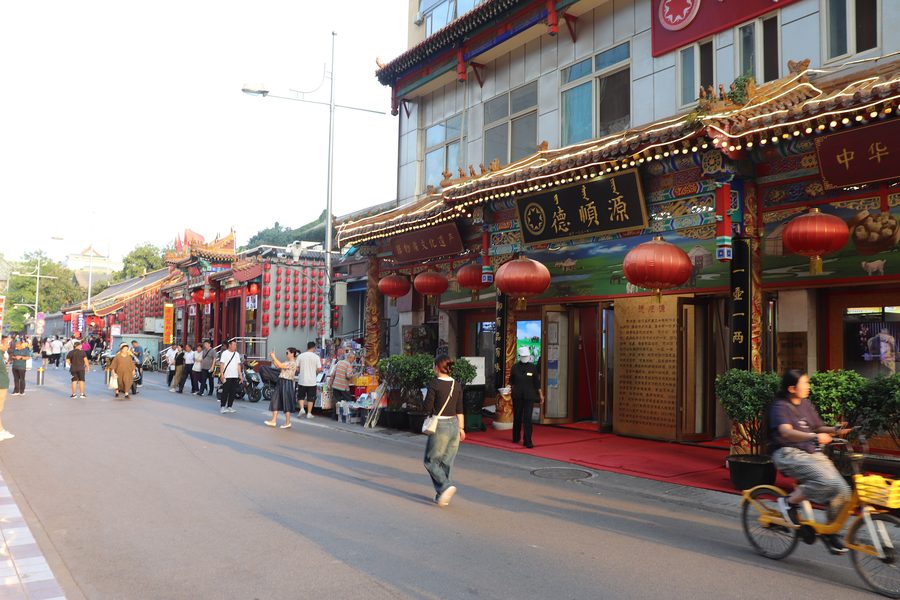
Hutong walks can offer insights into traditional neighborhoods and their everyday history. The Shijia Hutong Museum is mentioned as an additional cultural site. If you are looking for a historically shaped setting, such neighborhoods can be an important part of your planning. For your accommodation, check whether a historically shaped central district such as Dongcheng fits your planned cultural priorities; you should assess specific routes and the actual atmosphere of individual streets yourself before deciding.
Museums, parks, and different daily rhythms
Beijing can be explored through a mix of museum visits, time in parks, and neighborhood walks. This combination opens up different kinds of days without making every day revolve around the same experience. Historic outdoor sites can be complemented by a museum visit or a park visit; a walk through a traditional neighborhood, in turn, places the city’s everyday life more strongly at the center.
So do not plan only outdoor sightseeing. A holiday apartment can be interesting for families who want flexibility between cultural, walking, and museum days and do not want to plan every meal outside the home. This is not a statement about the facilities of any specific property: whether self-catering is actually possible depends on the individual holiday apartment.
Beijing cuisine as a travel experience in its own right
Beijing cuisine, especially Peking duck and imperial-style dishes, is one of the city’s culinary themes. Food adds a distinct city experience to sightseeing. Shared meals can round off a cultural day and broaden your view of Beijing with a flavor tradition of its own.
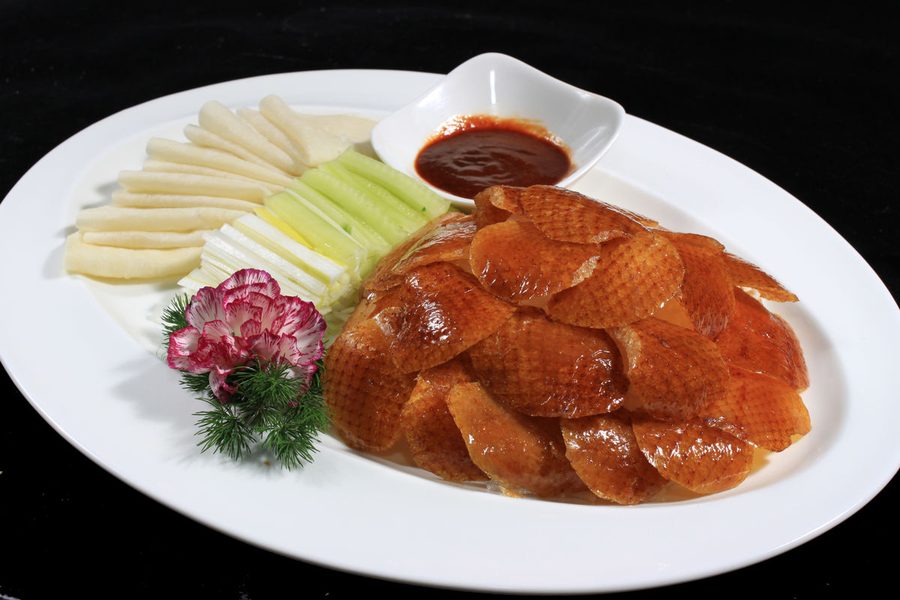
If food is an important part of your travel experience, the location should not be chosen based on sights alone. Also consider whether, alongside historical sites and hutongs, you want to include modern urban and dining options. A holiday apartment can be a flexible complement to restaurant and kitchen experiences, without implying any specific facilities or price level.
Which location suits your travel plan?
For choosing a location, a rough orientation by experience priorities is useful. Historically shaped central districts such as Dongcheng are more closely associated with historical sights and hutongs. Modern zones such as Chaoyang, according to the checked area orientations, are more closely associated with modern and international city life. This is not a ranking, but a planning aid for different day programs.
If you want historical sites, hutongs, and central cultural landmarks to be the main focus, you should look at a historically shaped central location. If modern city life and the corresponding dining scene are more important, a modern zone such as Chaoyang may also be worth considering. What matters is which experiences you actually want to combine—not just the name of the district.
A quieter residential environment can be appealing for travelers who want to plan less busy neighborhoods between intensive sightseeing days. Here too, you should check the exact location and transport connections on a case-by-case basis rather than automatically assuming peace and quiet or particular family suitability from a general area description.
Combining mobility and a holiday base sensibly
Beijing is large and transport-wise complex. The location of your accommodation therefore affects which experience areas can sensibly be combined and how much route planning individual days require. Group your daily goals by city area and align your base with the places you most want to experience. In this way, choosing accommodation becomes part of travel planning rather than a decision made independently of the itinerary.
The subway can be an important basis for planning longer journeys within the city; depending on the destination, buses and other transport may also be relevant. When booking a holiday apartment, check the actual access to public transport and consider whether your family wants to move frequently between historical sites, museums, parks, and modern districts. Exact journey times, route details, or fare information cannot be inferred from this alone.
For a stay with varied interests, a flexible daily structure is especially helpful: a historical focus, a hutong walk, a museum or park stop, and a culinary finale can combine different needs within one trip. Which holiday apartment fits this depends on the verified property data—such as whether the desired self-catering option and personal space needs are actually met.
Through Beijing, you can compare the broader selection for Beijing. For this specific travel plan, the main point is: first decide whether historical cultural sites, hutongs, modern city life, parks, or culinary experiences should be the focus. Then choose a location that matches these day plans and your mobility needs.
Frequently asked questions about Beijing
What makes Beijing special as a travel destination?
Beijing combines historical capital traditions, historical sites, and hutongs with modern urban and arts culture as well as parks and museums. This makes it possible to combine very different city impressions.
What different day ideas does Beijing offer?
Possible focuses include historical sites, hutong walks, museums, parks, and culinary discoveries such as Peking duck. In this way, intensive cultural days can alternate with quieter walking days and food-focused days.
Which location suits a culture-focused or modern stay?
Historically shaped central districts and hutong areas are a good fit for culturally oriented plans. Chaoyang is more closely associated with modern and international city life. The specific choice should be based on planned day goals and transport connections.
Why is transport access important for a holiday apartment in Beijing?
Beijing is large and the experience areas are spread out. That is why you should group preferred day destinations and check whether the accommodation base is sensibly connected to public transport.

.jpg)

