
Accommodation in Tunisia
Accommodation in Tunisia
Why Tunisia is interesting for families
Tunisia is especially appealing for a family trip because it lets you compare very different holiday moods in one country: the Mediterranean coast, the capital region, historic cities, and oasis and desert landscapes. So the key question is less whether Tunisia is “right” for you, and more what kind of trip you want: mostly beach with a calm daily rhythm, more city and culture, or a broader itinerary with more contrasts.
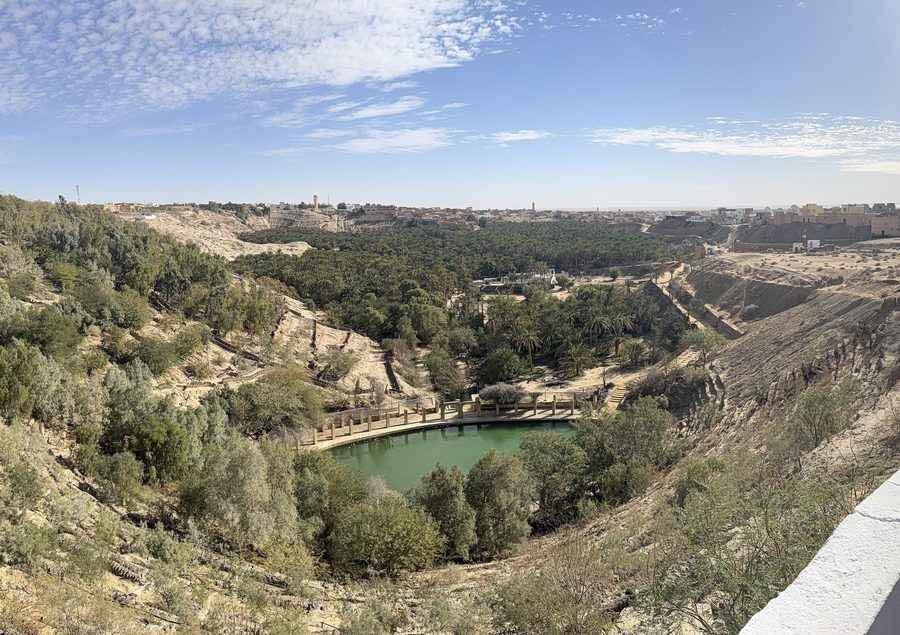 Corbeille de Nefta in the Tozeur area, showing oasis scenery near Tunisia’s desert edge.
Photo: Rawen Ab via Wikimedia Commons, CC BY-SA 4.0
Corbeille de Nefta in the Tozeur area, showing oasis scenery near Tunisia’s desert edge.
Photo: Rawen Ab via Wikimedia Commons, CC BY-SA 4.0
This is particularly helpful for families, because the best base depends a lot on the pace you want. If you do not want to change accommodation every day when traveling with children, a clear coastal or city base is often easier. If you are looking for more variety, it is worth considering the south and places that combine city, coast, or excursions well.
Quick facts
- Tunisia combines a Mediterranean coastline with inland landscapes reaching into the desert.
- Tunis is a good city base for culture, cafés, and restaurants.
- Hammamet, Sousse, and Djerba stand for family bases focused on the beach.
- Tozeur stands out from a classic beach holiday with its oasis scenery and salt flats.
- For families, the location question is often more important than the sheer number of sights: coast, city, and south feel very different in everyday travel.
How to choose your base
The most important decision on a trip to Tunisia is usually not the individual hotel, but the setting around it. A central or urban location is a good fit if you prefer culture and flexible arrival options. A coastal town makes sense if you want a holiday that stays easy and close to the beach. In the interior and in the south, you get more distinct scenery, but usually need to plan for a longer travel rhythm on purpose.
To make comparison easier, the regions below are grouped by travel style. This helps you see more quickly which base suits a beach holiday, culture with children, or a scenery-focused trip.
City, capital, and the northern coast
If you want short distances, a city atmosphere, and a good starting point for culture, the area around Tunis is the most obvious choice. The north is also well suited to families who do not want to stay only at the beach, but are looking for an urban or mixed setting.
- Tunis is the clearest choice if you are looking for culture, cafés, and restaurants in an urban base.
- Ariana is part of the capital area and works well as a city and orientation base.
- Ben Arous adds another option to the capital area for a location closer to the city.
- Manouba also fits into the capital area if you think of Tunis as the center.
- Bizerta adds another coastal option in the north.
- Nabeul is in a northern coastal setting and adds a beach and resort perspective.
Beach and resort towns on the east coast
If your holiday should mainly consist of sea, an easy daily routine, and few changes of location, the well-known coastal resorts are the obvious choice. For families, this is often the most relaxed way to stay in Tunisia, because beach days and accommodation are close together.
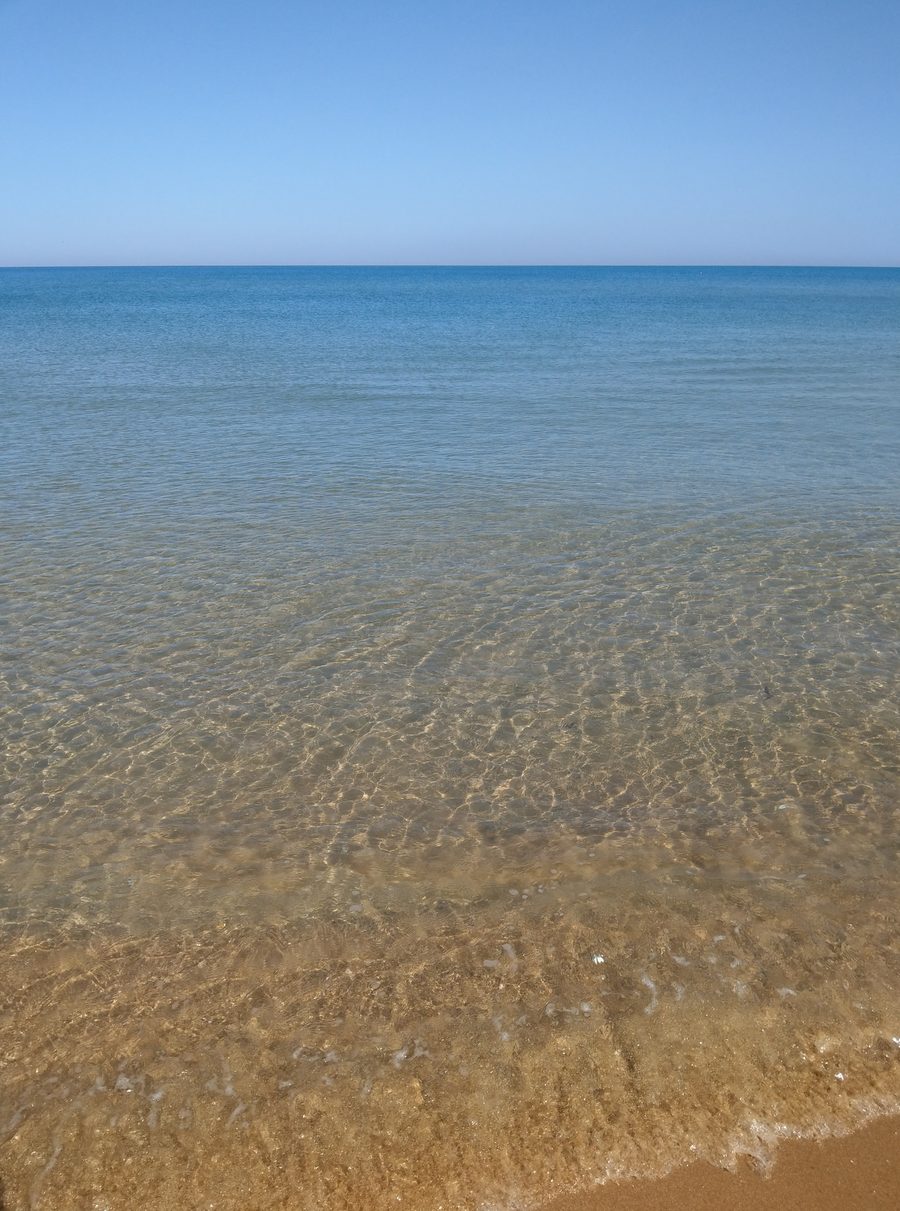
- Hammamet is the place for a classic beach holiday with a family-friendly vacation rhythm.
- Sousse is a good fit if you want to combine the beach with a coastal town and an urban setting.
- Monastir adds another coastal base for a more relaxed stay.
- Mahdia is also one of the coastal options for a beach-oriented family stay.
- Sfax is especially interesting if you are considering a coastal location with a more urban character.
Inland, history, and quieter bases
If you want more culture and less beach on a trip to Tunisia, it is worth looking inland. Here, historic cities, regional character, and quieter bases take center stage. This is especially useful for families who do not want to be tied to a resort format.
- Beja belongs in an inland cultural setting.
- Jundubah works as another northwestern inland point for quieter stays.
- Kef is an option if you see the interior as a place of culture and history.
- Kairouan stands for a historically shaped inland focus.
- Gafsa fits into an inland travel context with more room for excursions.
- Sidi Bouzid adds another reference point to the interior.
The south, oases, and the desert fringe
If you are looking for something special, southern Tunisia is the most striking contrast zone. Here it is less about a classic beach holiday and more about oases, the desert edge, and much broader landscapes. For families willing to accept an extra travel day, this creates a very distinctive holiday experience.
- Gabes belongs in the southern travel setting and acts as a transition toward the interior.
- Kebili suits a landscape-oriented south.
- Madaniyin can be read well as a southern base on a longer trip.
- Medenine adds to the south as a starting point for a broader route.
- Tatawin stands for the southern fringe, with more landscape than coast.
- Tawzar is especially suitable if you are looking for a location close to oases and shaped by the landscape.
- Tozeur is the clearest choice if oasis scenery and salt flats are what matter most.
What this means for your travel planning
If you are traveling with children and want as little moving around as possible, choosing either the coast or the capital is usually the better base. If you want variety and strong contrasts, you can combine Tunis with a coastal region or make the south your main focus. That way, Tunisia is not just a country on a map, but a destination with different moods that you can intentionally choose for your family.


