
Vacation apartment in Zanzibar
Zanzibar is far more than a destination for relaxing days by the sea: the tropical archipelago off the coast of Tanzania combines coastal and marine landscapes with Stone Town, history, markets, and culinary impressions. Often, Zanzibar refers to the main island of Unguja; the archipelago also includes Pemba and smaller islands. For your travel planning, it is therefore worth first asking which mix you are looking for: culture and local life, nature and the sea, quiet days by the coast, or a combination of these.
Quick facts about Zanzibar
- Character: Archipelago destination with beaches, marine experiences, history, culture, and cuisine.
- Historically shaped place: Stone Town with narrow alleyways, historic buildings, and diverse cultural influences.
- Local impressions: Darajani Market and Forodhani Gardens stand for market life and Swahili-influenced street-food experiences.
- Climate: Tropical climate with a hotter period from December to March, a comparatively cooler period from May to August, and more pronounced rainy seasons.
Stone Town: history, alleyways, and flavor
Stone Town brings another side of Zanzibar into the travel plan. The historically shaped urban area can be explored through narrow alleyways, historic buildings, and different cultural influences. Stone Town can therefore be included as a building block of the trip when beach days are to be combined with culture and an urban atmosphere.
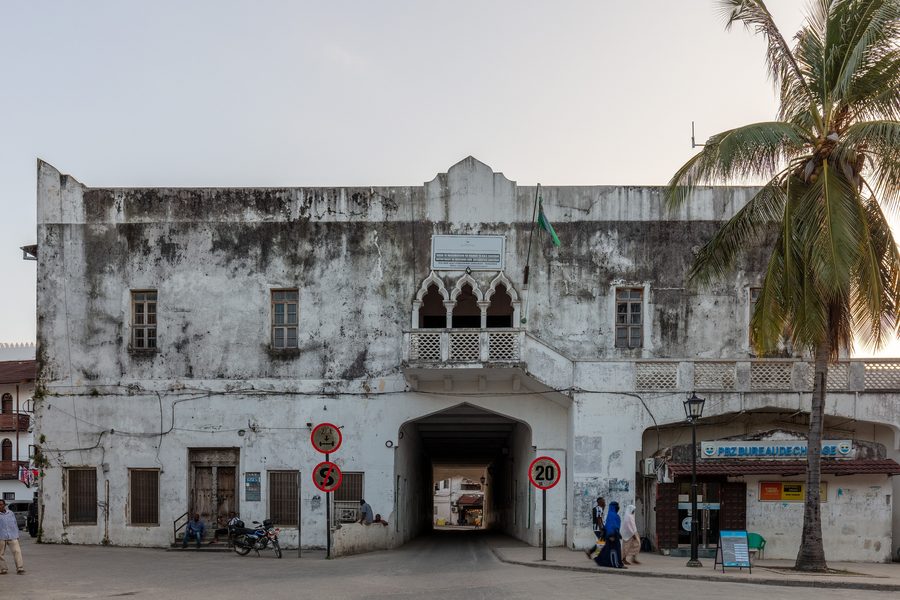
Photo: Diego Delso, CC BY-SA 4.0, source
Darajani Market provides a concrete impression of local everyday life and market activity. At Forodhani Gardens, you can get to know local street-food and Swahili cuisine impressions. Offers and operating hours may change. Shared walks, market observations, and food experiences also provide concrete activities on days that are less focused on the beach.

Photo: Adam Jones from Kelowna, BC, Canada, CC BY-SA 2.0, source
Sea, nature, and different coastal styles
Among the excursion themes mentioned for Zanzibar are spice farms, Jozani Forest, and various marine outings. These are options for travel planning that combines water and nature experiences with days by the coast. The specific suitability depends on age, provider, and conditions on the day. This allows different themes to be incorporated into the travel plan.
The choice of coast changes the character of the stay. The reviewed regional description presents the north coast as a more tourist-oriented beach area and notes a sea there that retreats less far at low tide. This is a broad characterization, not a complete assessment of the entire north coast and not a guarantee of suitability for swimming at any time.
Kizimkazi in the south is described as a fishing village with a visible connection to fishing and marine outings. Dolphin watching is not guaranteed. So, alongside the sea, the village and maritime character of the place also come into focus.
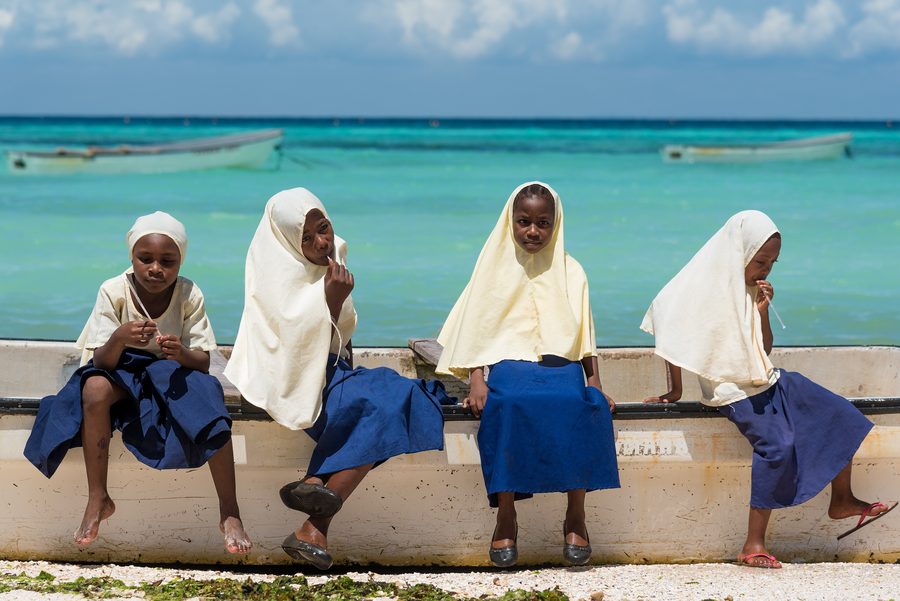
Photo: Roberto Faccenda from Canale CN, Italy, CC BY-SA 2.0, source
Jambiani can be described as a quieter coastal option with a village character. Paje is associated with wind-dependent water sports conditions and relaxed beach culture. These differences are a guide, not a ranking: what matters is whether you want a more tourist-oriented coastal location, a fishing-village character, or a quieter village atmosphere to take center stage.
Which vacation-apartment base fits your plans?
If you want to include Stone Town, markets, and history, you should treat these cultural places as a fixed part of your travel planning. When choosing a vacation apartment, it is then important to check the actual connection to the planned experiences using the specific accommodation details. Concrete travel times, distances, or a particular transport connection cannot be inferred from this.
If you mainly want days by the coast, you can choose your base more according to the respective coastal character. The northern beach areas are described as more tourist-oriented, Kizimkazi as fishing-oriented, and Jambiani as more village-like. For families with different preferences, it may make sense to decide before booking whether a more tourist-oriented coastal location, a maritime local character, or a quieter village atmosphere should shape the larger part of the trip.
Self-catering can also influence planning. A specific example from Jambiani combines self-catering accommodation with its own cooking facilities and restaurants in the surrounding area. This does not mean that every vacation apartment in Zanzibar or Jambiani is equipped in the same way. If flexible daily routines and cooking are important for your family, check these features only in the details of the respective property.
For comparing larger selection options, you can then return to Manyara.
Travel time and flexible daily planning
The climate in Zanzibar is tropical year-round. The reviewed climate description distinguishes a hotter period from December to March and a comparatively cooler period from May to August. For planning, the more pronounced rainy season from March to May and another rainy phase later in the year are also relevant; April and May are described as particularly rainy.
This does not mean a weather guarantee for individual travel days and does not make a trip in these months fundamentally unsuitable. However, when choosing your accommodation and daily schedule, a stay during wetter periods should not depend solely on beach or marine activities. A mix of Stone Town, market and food experiences, nature themes, and days by the coast offers more room for different weather conditions and interests.
Frequently asked questions about Zanzibar
What makes Zanzibar different from a pure beach holiday?
Zanzibar combines archipelago and coastal landscapes with Stone Town, markets, history, and Swahili-influenced dining experiences. The beach can therefore be combined with culture and local everyday life.
Which experiences can families combine on Zanzibar?
Possible themes include Stone Town, market and street-food impressions, spice farms, nature in Jozani Forest, and marine outings. The specific suitability depends on age, provider, and conditions on the day.
Which coastal location suits which travel style?
The reviewed place descriptions present the north coast as more tourist-oriented, Kizimkazi as a fishing village, and Jambiani as a quieter village-like coastal option. These differences serve as guidance, not as a complete ranking.
What role does the travel season play?
The tropical climate has a more pronounced rainy season from March to May and another rainy phase later in the year. Flexible daily planning can therefore be especially important.


.jpg)
.jpg)