
Vacation apartment or vacation home in the Kilimanjaro Region
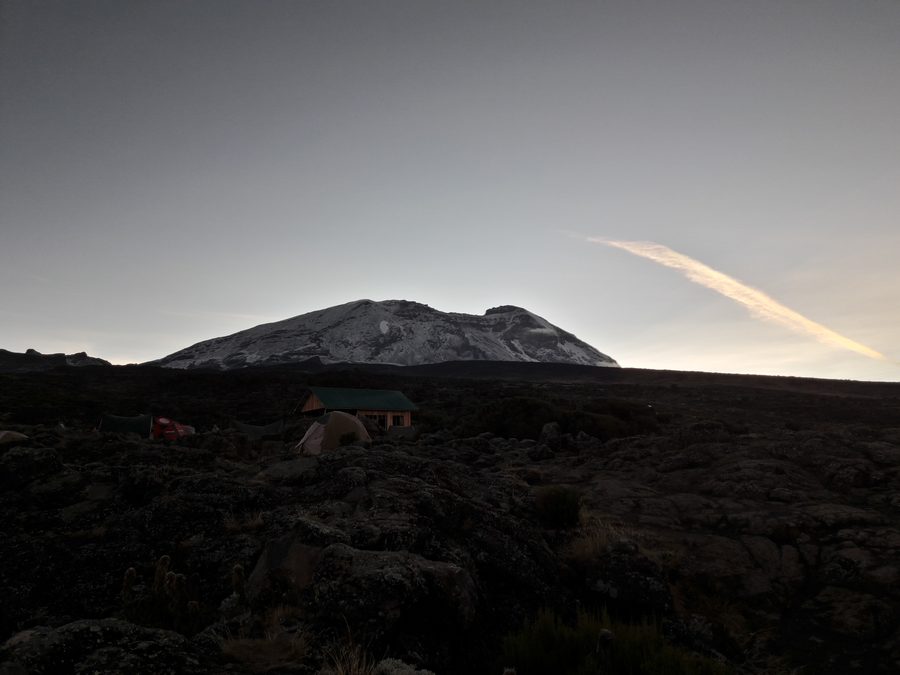 Sunrise on Mount Kilimanjaro near Shira 1 Camp in the Kilimanjaro Region.
Photo: KpokeJlJla via Wikimedia Commons, CC BY-SA 4.0
Sunrise on Mount Kilimanjaro near Shira 1 Camp in the Kilimanjaro Region.
Photo: KpokeJlJla via Wikimedia Commons, CC BY-SA 4.0
The Kilimanjaro Region combines the striking mountain landscape around Africa’s highest peak with Moshi as a practical hub. For families, that is especially appealing because you can easily combine nature, everyday life, and outings with coffee, village, and market experiences.
Quick facts about Kilimanjaro
- The region is an administrative region of Tanzania; Moshi is its most important center.
- It is small, densely populated, and strongly shaped by agriculture.
- Kilimanjaro dominates the landscape and is Africa’s highest mountain.
- The Kilimanjaro National Park is a major tourism draw.
- Beyond the mountain, coffee experiences, villages, markets, and waterfalls make good day trips.
Why the region works as a family base
If you are thinking beyond the summit climb, you will find a region with several good day-trip options: a clear mountain connection, links to coffee and Chagga culture, villages, markets, and waterfalls. Even without a summit ascent, the region works well for day experiences and quieter days.
That is precisely why the location of your accommodation matters. Moshi provides everyday orientation, Marangu brings you closer to the mountain landscape, and Himo is a practical hub east of Moshi.
Which location is right for your trip?
Moshi Urban as the clear main base
Moshi Urban is the obvious choice if you value proximity to everyday life, markets, and short distances more than seclusion. For families with a changing day plan, it is often the most straightforward starting point.
Himo for a functional location
Himo lies east of Moshi and works as a practical hub on the way to Marangu. It suits travelers looking for a location that connects rather than stages an experience.
Marangu for closeness to the mountain landscape
Marangu is the mountain-side option, with access to the Marangu Route and a clear connection to agriculture and tourism. If access to nature and a landscape-based setting matter to you, this is a particularly natural choice.
Other parts of the region
If you want to keep the search area broader, Kibosho, Ndungu, Hai, and Same also lead to additional subpages for the region. This keeps the region open for a more precise search without losing sight of the key reference points.
Frequently asked questions about Kilimanjaro
What makes the Kilimanjaro Region interesting for families?
It combines a powerful mountain landscape with Moshi as a practical center and with day-trip themes such as coffee, villages, markets, and waterfalls. That makes it more than just a climbing destination.
What experiences work well besides the Kilimanjaro ascent?
Coffee experiences, villages, markets, and quieter days without a summit program all fit well. The region is therefore also suitable for varied travel days with children.
Why is Moshi important as a base?
Moshi is the most important center in the region and gives you orientation in everyday life. If you value short distances and practical routines, this is an especially good place to stay.
How do Marangu and Himo differ as starting points?
Marangu is the mountain-side choice with access to the Marangu Route, while Himo is the practical hub east of Moshi. That makes the location decision very tangible.
If you would like to see the region in a broader context, the way back leads to Accommodations in Tanzania.


