
Vacation apartment in Pretoria
Accommodation in Pretoria
Pretoria is more than just a place to stay overnight: as South Africa’s capital, the city combines cultural heritage, striking architecture, an academic and research-oriented urban character, green spaces and the landscape setting of the Magaliesberg foothills. For families and other travelers, this creates a varied stay between shared discovery, historical impressions and quieter moments in the greenery.
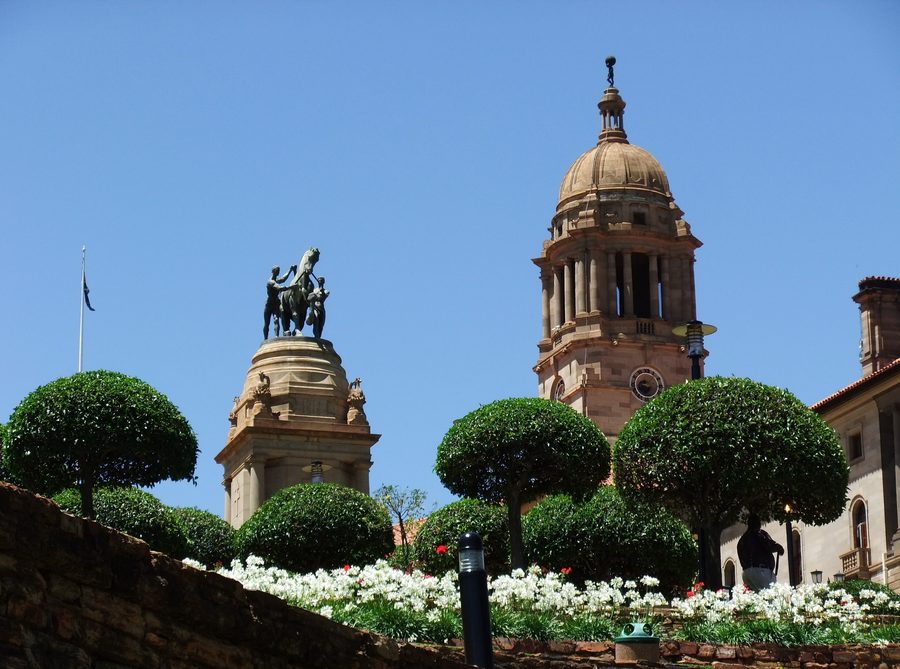 Die Union Buildings sind ein bedeutender architektonischer und historischer Bezugspunkt Pretorias.
Photo: Portiatn via Wikimedia Commons, CC BY-SA 3.0
Die Union Buildings sind ein bedeutender architektonischer und historischer Bezugspunkt Pretorias.
Photo: Portiatn via Wikimedia Commons, CC BY-SA 3.0
Quick facts about Pretoria
- Pretoria is South Africa’s capital and the seat of the executive branch.
- The city lies on the Apies River and extends westward into the foothills of the Magaliesberg mountains.
- The city profile includes history, architecture, green spaces, as well as an academic and research-oriented character.
- Historical points of reference include the Union Buildings and the Voortrekker Monument.
Capital city with history and its own urban character
Pretoria makes history visible in its cityscape. The Union Buildings are an important architectural and historical reference point of the city; their grounds include gardens. The Voortrekker Monument also combines a historical monument with a museum and surrounding gardens. This brings different interests together in one city experience: architecture and historical context on the one hand, and a stay in the greenery on the other.
For your travel planning, the first question is therefore not only where you want to stay, but also which focus Pretoria should have: should the stay be shaped primarily by history and architecture, or should it also have a clear connection to the landscape? Pretoria offers points of reference for both directions, without this automatically implying a specific accommodation location.
Consciously combining city and landscape
The location on the Apies River and the foothills of the Magaliesberg mountains give Pretoria a distinctive spatial contrast. On the one hand, urban life with its capital-city function, history and culture takes center stage. On the other hand, the surrounding landscape is part of the city’s character. Anyone wanting to experience both should take the desired mix into account when planning the day, rather than combining all activities in an unstructured way.
A cautious planning approach is to combine a historic or architectural site with a quieter stay in the described gardens or green spaces. In this way, one day can accommodate different interests without making unsupported promises about specific offers, routes or age groups. For families with different wishes for the day, this change can be included in the travel plan as a basic planning idea.
Which accommodation location suits your travel plan?
The choice of a vacation apartment should be guided by the intended balance between city program and connection to the landscape. If historical sites, architecture and urban life are to define the stay, this thematic focus should be clarified first. If the stay is also meant to reflect Pretoria’s landscape character, this wish should also be included in considerations about the location.
A specific comparative recommendation for individual districts cannot be derived from this. First check your daily rhythm: do you want to focus on several historical reference points, alternate between culture and green spaces, or get to know Pretoria more as a combination of city and landscape? Only then can the location of your vacation apartment be meaningfully narrowed down further. Another name for local orientation: Lynnwood.
For broader orientation, you will find the Tshwane Metropolitan Municipality here.
Frequently asked questions about Pretoria
What makes Pretoria special as a travel destination?
Pretoria combines capital-city function, history, an academic and research-oriented urban character, green spaces and its location on the foothills of the Magaliesberg mountains. This creates an urban mix of culture and landscape.
Which historical places can be discovered in Pretoria?
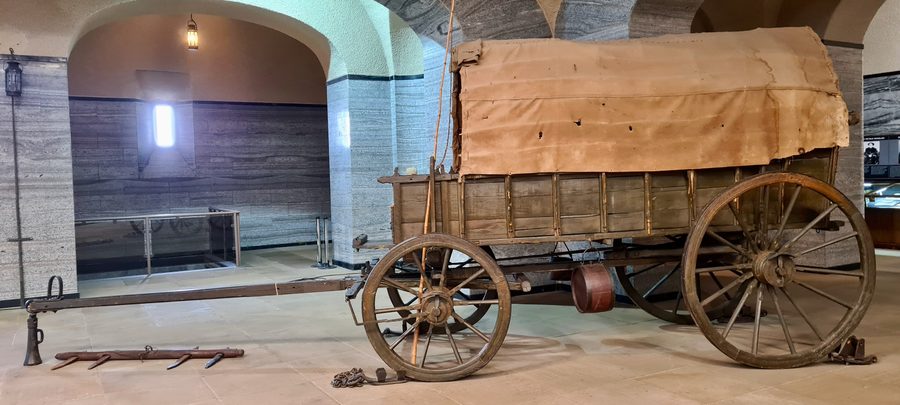
As historical and architectural reference points, you can get to know the Union Buildings as well as the Voortrekker Monument with its museum and gardens.
Can city sightseeing and a connection to nature be combined in Pretoria?
Yes. Pretoria combines urban and cultural life with its location on the Apies River, the Magaliesberg foothills and gardens at historic sites. A mixed daily plan is therefore a possible planning option, without this resulting in a specific route.


.jpg)