
Holiday apartment in City of Johannesburg
Accommodation in City Of Johannesburg
Johannesburg is more than a single city center: this metropolis, shaped by gold mining, combines history, social change, cultural dynamism, and a range of urban districts. For a family trip, it is therefore not only the accommodation itself that matters, but also the location that fits your planned day-to-day itinerary.
Quick facts about City of Johannesburg
- The history of gold mining is one of Johannesburg’s defining themes.
- The city is described as notably green; the Johannesburg Botanical Garden in Emmarentia is a concrete park and retreat.
- May to September are often considered drier months. This is a general seasonal guide and not a weather guarantee.
A large city between history and the present
The history of gold mining is an important key to understanding Johannesburg. At the same time, the city stands for social change, economic development, and cultural diversity. This creates a destination where a stay can combine different focal points: historical insights, city exploration, cultural impressions, and the everyday atmosphere of urban life.
That makes Johannesburg especially interesting if you are not just looking for a stopover, but are planning a varied city trip. The city should not be treated as a place that feels the same everywhere. It is a sprawling metro area in which the choice of base shapes the day’s planning.
History as a concrete part of the trip
The Apartheid Museum offers a well-documented introduction to the history of apartheid and its significance for South Africa. For families with older children, a museum day like this can give the trip a clear historical focus. Whether this topic is right for you depends on your children’s age and interests; that does not mean it is suitable for every family.
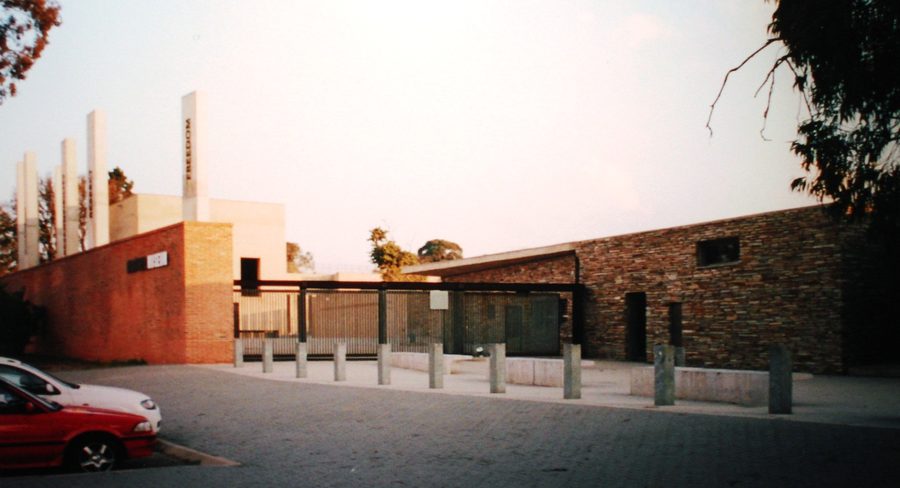
Photo: Genet · Source · CC BY-SA 3.0
Round off a day like this, with its intense content, with lighter city moments. This creates a rhythm of focused history, cultural impressions, and time for your own discoveries, without reducing the stay to a single sight.
Green spaces as a balance to the city program
Johannesburg is a strikingly green large city. The Johannesburg Botanical Garden in Emmarentia is a concrete anchor for a calmer stay in the greenery. A park stop or picnic moment can provide a welcome break from a museum day or a denser city program.
For your planning, this means considering whether you want to deliberately build outdoor time between culture and city life. Green spaces are not automatically part of every accommodation location, so you should look at the desired program and the location of the holiday apartment together.
City districts as a guide for accommodation
Johannesburg does not offer a simple formula such as “one district suits everyone.” It makes more sense to choose your base according to the focus of your trip: Should the stay mainly cover history and culture, offer urban atmosphere and dining, or connect as many different day-trip destinations as possible?
As concrete urban reference points, Johannesburg and Sandton can serve as examples. Sandton is associated with a lively urban atmosphere, restaurants, and nightlife options. It also has a Gautrain stop. If you want to plan some journeys by train, you can therefore include Sandton as one possible urban base in your considerations. This does not imply specific travel times, current timetables, or any special family comfort.
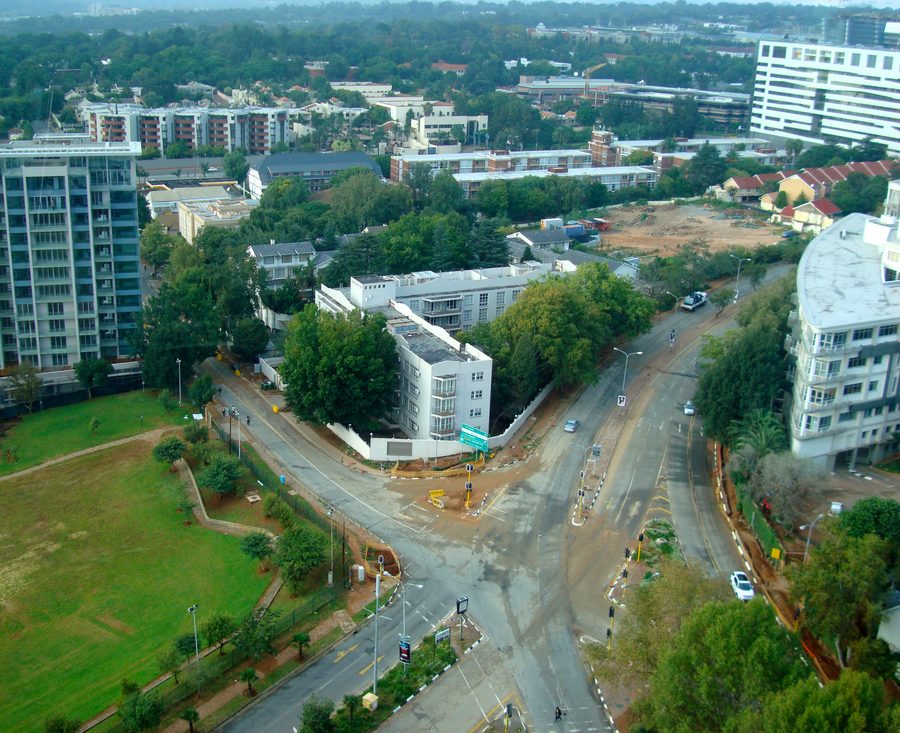
Photo: Adamina · Source · CC BY 2.0
The other places on this page are additional possible starting points within the associated destination area. For these location pages, first orient yourself by the name itself and compare the location with your day’s program. A precise ranking is not useful for this selection:
For regional context, you can also open Gauteng. There, Johannesburg can be placed within the broader Gauteng travel region and compared with other destinations in the area.
Think about mobility and daily rhythm
The choice of base influences how you structure your days. History, culture, green spaces, and everyday urban life are not automatically in the same place. So first decide on two or three priorities, then check which location suits that mix. Anyone who wants to factor in restaurants, city atmosphere, and the Gautrain can look specifically at Sandton; anyone who wants to combine different types of experiences should take the city’s large scale into account when planning.
A holiday apartment or holiday home in City of Johannesburg is therefore especially worthwhile when its location matches your own travel plan. What matters less is a general judgment about a district than whether your base can turn the desired indoor and outdoor activities, cultural plans, and rest periods into a practical day.
Combine travel time and itinerary
May to September are often described as the drier travel season for Johannesburg. For families, this can be helpful guidance when planning park visits and other outdoor activities. Even so, it is not a binding best travel period: align the months with your preferred balance of outdoor activities, museum days, and flexible city exploration.
Especially on a varied city trip, it is worth not planning every day in the same way. A historical focus, a stay in the greenery, and an urban day can appeal to different interests within the family. The accommodation location should support this change without turning individual place profiles into a precise recommendation.
Frequently asked questions about City of Johannesburg
What makes Johannesburg special as a destination?
Johannesburg combines the history of gold mining with social change, cultural dynamism, and distinctive green spaces. That makes the city especially suitable for a trip that combines history, culture, and different urban impressions.
Which historical experiences can be planned in Johannesburg?
The Apartheid Museum is a concrete historical anchor. Whether a visit suits your family depends on the children’s age and interests.
Which travel time is often recommended for Johannesburg?
May to September are often described as drier months. Still, you should align your travel period with the planned mix of outdoor and indoor activities; this is not a weather guarantee.


