
Accommodations in Kenya
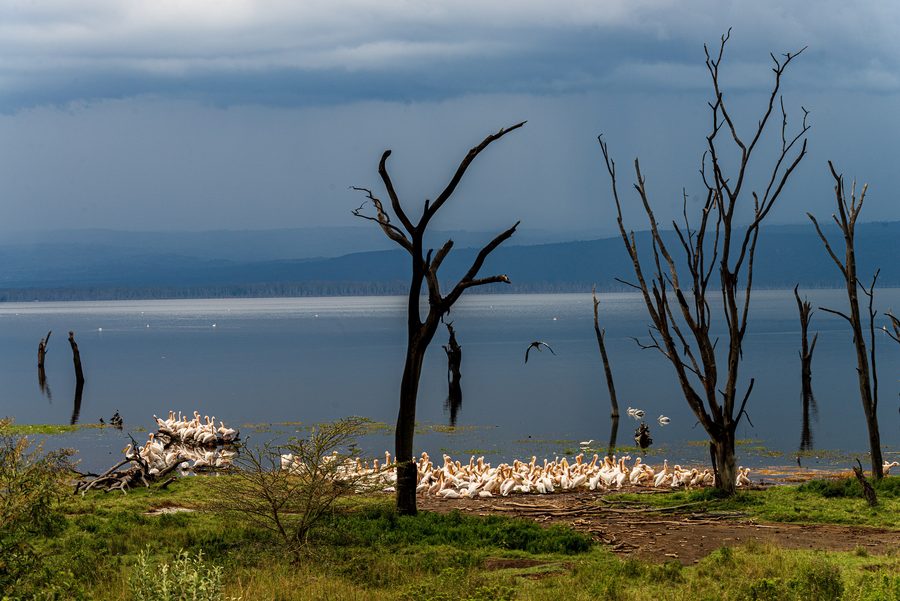 Pelikanansammlung am Nakurusee im kenianischen Rift Valley.
Photo: Daniel Case via Source, CC BY-SA 4.0
Pelikanansammlung am Nakurusee im kenianischen Rift Valley.
Photo: Daniel Case via Source, CC BY-SA 4.0
Kenya fascinates with its striking shifts in landscape: one itinerary can include the Indian Ocean, a lively city, highlands, lakes, and vast protected areas. For families, it therefore makes sense to first choose the kind of experience they want – beach and sea, wildlife viewing, city and culture, or a combination of several stops. Only then can you sensibly decide whether a longer base with flexible self-catering or several accommodations best suits your own travel rhythm.
In brief
- Sandy beaches, coral reefs, and the Lamu Archipelago give Kenya a distinctly coastal side.
- The Great Rift Valley shapes lake landscapes, including Lake Turkana in the north and Lake Nakuru with its rich birdlife.
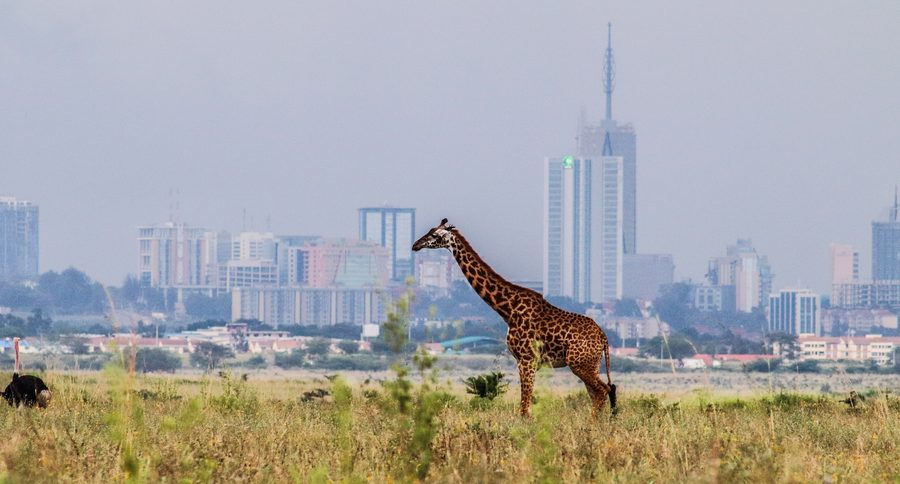
- Nairobi combines big-city life with a nature experience: Nairobi National Park lies within the city limits.
- Protected areas range from savannah landscapes to marine reserves near Malindi and Watamu.
- On the Swahili coast, coconut, spices, fish, and seafood create different culinary accents from the cuisine inland.
- Ugali, Nyama Choma, Chapati, Sukuma Wiki, and Kachumbari are among the Kenyan dishes often mentioned; tea and coffee are important drinks.
Five travel scenes, one versatile country
The coast is more than just a final beach stop: in the Lamu Archipelago, sandy beaches and coral reefs meet Swahili-influenced port towns, forts, and mangrove bays. That makes a coast-focused stay especially appealing for families who want to combine active nature days with quieter hours by the sea and shared culinary discoveries. The coastal cuisine with coconut, spices, and fresh fish is part of the travel experience itself.
In the interior, the scenery changes noticeably. The highlands around Mount Kenya and the lakes of the Rift Valley open up a nature-focused region that does not depend on the beach or the big city. Lake Nakuru stands for a landscape in which birdlife helps shape the character of the place. This kind of trip suits families looking for changing scenery and wildlife viewing, and who want to alternate active days with breaks in a suitable sequence of stops.
Protected areas and safari landscapes form another possible focal point. Kenya has numerous national parks, reserves, and conservation areas. Anyone planning wildlife viewing as a defining shared experience should not automatically force this focus together with the coast, the city, and the highlands into one single base. Several coordinated locations can better reflect the different landscapes.
Nairobi, in turn, works well as its own urban travel segment. The city brings big-city life and nature experiences unusually close together because Nairobi National Park lies within the city area. This is an interesting combination for families who want to move between city impressions, nature, and a flexible daily schedule.
Which region suits the family trip you want?
For beach, sea, and coastal culture, a coast-adjacent travel idea is the best fit. It is not the same as a base for the highlands, lakes, or inland nature experiences. If you want to experience Kenya mainly as a nature route with protected areas, you will plan differently than a family that wants longer days by the sea and regional cuisine at the center.
A combination of Nairobi, the highlands, the Rift Valley, or protected areas can be especially varied, but it brings several experience zones into one itinerary. For children of different ages, it makes sense to distribute intensive nature days, city impulses, and quieter sections deliberately instead of lining up as many places as possible without a clear purpose. Self-catering can provide more flexibility for family meals and local ingredients during longer stays; the exact amenities of individual properties should always be checked before booking.
Choose accommodation by the experience you want
An accommodation on the coast supports a travel segment with beach, sea, and Swahili culture. For Nairobi, by contrast, the urban part of the trip takes center stage, supplemented by the nature experience within the city area. The highlands, lakes, and protected areas are more suited to a step-by-step itinerary if you really want to experience several landscapes. Lodges, hotels, apartments, and holiday homes can each play different roles; the key question is first whether you want to stay longer in one place, cater for yourself flexibly, or combine individual trip segments with service.
Kenyan cuisine makes this decision even more tangible. On the coast, coconut, spices, fish, and seafood shape the flavor more strongly. In the highlands, the cuisine is often described as simpler and milder by comparison. Across the country, dishes such as Ugali, Nyama Choma, Chapati, Sukuma Wiki, and Kachumbari provide clear culinary reference points. If you like tasting and cooking together, you can therefore also connect your accommodation choice with the desired mix of restaurant visits, local dishes, and flexible family meals.
Discover direct regions and places in Kenya
The following direct areas help you take the next step after the nationwide comparison. The coastal and island group includes Coast, Gazi, Kilifi, Kilifi District, Kwale, Lamu, and the Lamu Archipelago in detail. Also included are Malindi District, Mkwiro, Mokowe, Mombasa, Shanzu, Shimoni, Ukunda, and Utange.
The central and eastern inland group is reached via Central, Embu District, Kiambu, Kirinyaga, Machakos District, Makueni District, Murang'a, Nairobi, Nyandarua, and Nyeri District.
For more inland, lake, Rift Valley, and western options, choose from Baringo County, Bomet, Bungoma, Busia County, Homa Bay, Kakamega District, Kericho District, Kisii Central District, Kisumu District, Lolgorien, Mara Simba, Nakuru, Nandi District, Narok District, Rift Valley, Siaya, Trans-Nzoia District, and Uasin Gishu District.
As northern and eastern exploration options, you will find Archers Post, Eastern, Elgeyo Marakwet, Isiolo, Kajiado District, Kitui County, Laikipia District, Marsabit, Meru, Ol Tukai, Samburu, Taita Taveta, Tana River, Tharaka Nithi, and Turkana County.
Some additional names complete the overview: Kibokoni, Kikowani, Migori, and Vihiga.


