
Holiday apartment in Dire Dawa
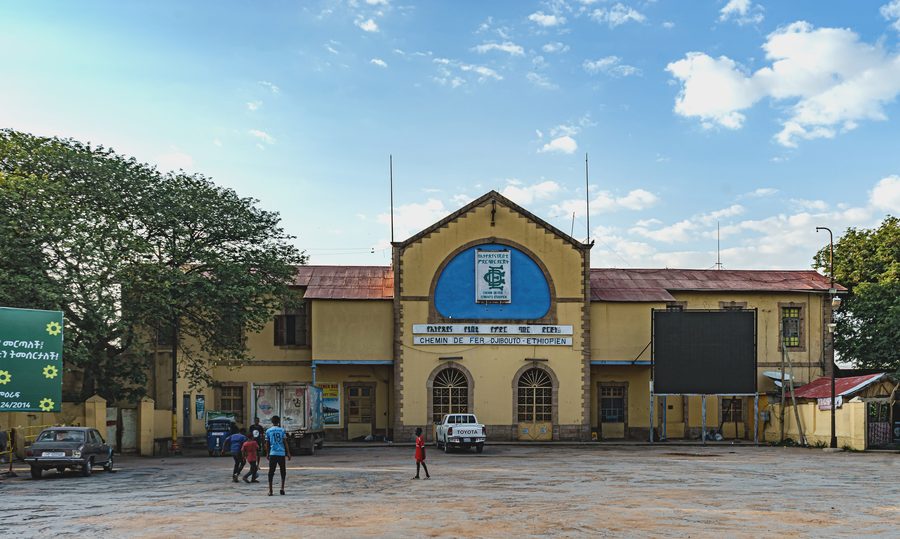 Der alte Bahnhof von Dire Dawa erinnert an die Eisenbahngeschichte der Stadt.
Photo: Ninara31 via Wikimedia Commons, CC BY 2.0
Der alte Bahnhof von Dire Dawa erinnert an die Eisenbahngeschichte der Stadt.
Photo: Ninara31 via Wikimedia Commons, CC BY 2.0
Dire Dawa is more than just a place to stay: this self-governing city in eastern Ethiopia combines a varied urban atmosphere with visible traces of its railway history and a specific market as a focal point of city life. Here, travelers can connect history, everyday life, and different cultural influences.
Quick facts about Dire Dawa
- Location: self-governing city in eastern Ethiopia
- City history: closely tied to railways and trade
- Visible historical reference: the old railway station
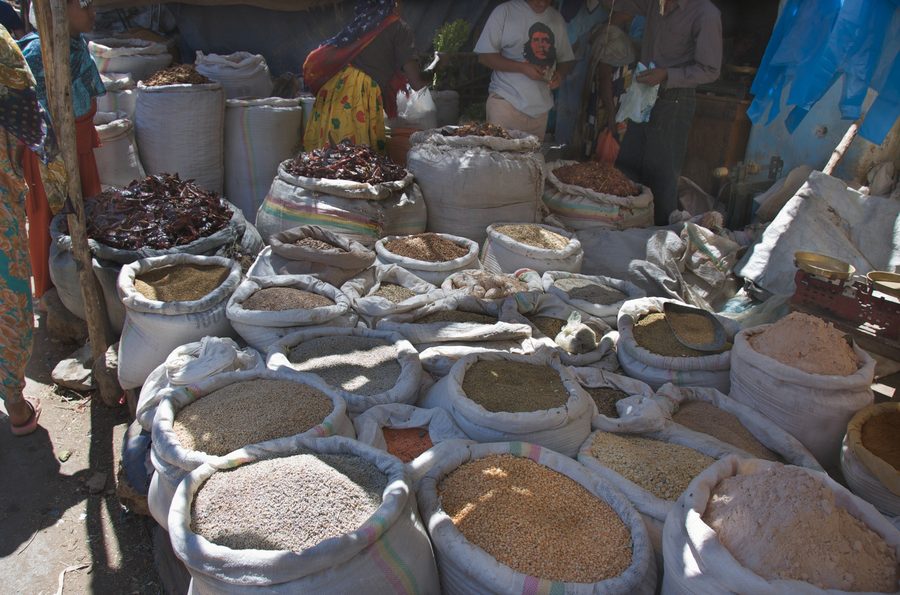
- City life: Kefira Market and a culturally diverse population
A city with railway history
Dire Dawa’s development is closely linked to the historic railway connection between Addis Ababa and Djibouti. The old station makes this connection tangible in the cityscape and gives any stay a concrete historical anchor point. This is especially interesting if you want to include city history and transport culture in your trip.
Important for planning: the historic station is a reference point for the city’s history, but it is not proof of current train services, timetables, or any specific route of arrival. If railway history is one of the main themes of your trip, you should treat the station as a historical subject rather than an automatically usable transport link.
Market life and cultural diversity
With Kefira Market, there is a concrete place where you can experience Dire Dawa through everyday urban life. A market visit offers a vivid way to get to know the city without reducing your stay to individual sights. You should check current opening hours, prices, or special offers separately before visiting.
Dire Dawa is also described as a culturally diverse city with several regional and linguistic influences. For travelers, this mainly means that the city can be understood through its urban diversity and local everyday culture. However, no general conclusions can be drawn from this about individual foods, traditions, or religious practices.
Which location suits your travel plans?
The right holiday apartment should be chosen according to the city themes you plan to focus on. If market life and railway history are at the center of your trip, check the exact location within the city before deciding on accommodation. You should not assume details about short distances, quiet surroundings, individual neighborhoods, or a particular transport connection.
For travelers with varied interests, Dire Dawa can fit into a trip if shared city observation and historical themes are desired. Whether accommodation in this place suits your own daily rhythm depends on the activities you actually plan. Reliable general statements about family facilities, self-catering, pets, or seasonal advantages cannot be derived for Dire Dawa.
Placing Dire Dawa in regional planning
Dire Dawa is an independent urban component within the region. If you want to compare other regional options alongside city life, you will find the broader context for further planning under East Hararghe.
That keeps the decision clear: Dire Dawa is especially suitable for a trip in which cultural diversity, everyday market life, and railway history are given deliberate space. You should add specific excursions, seasonal priorities, and the advantages of individual locations only with up-to-date local information.


.jpg)
.jpeg)