
Motorcycle holidays in Austria: passes, routes and accommodation
Find accommodation
A motorcycle holiday in Austria can be a multi-day Alpine tour, a fixed base with day rides or a quieter stay with selected passes. The accommodation should fit the motorcycle, luggage, route plan and return journey after a long day on the road.
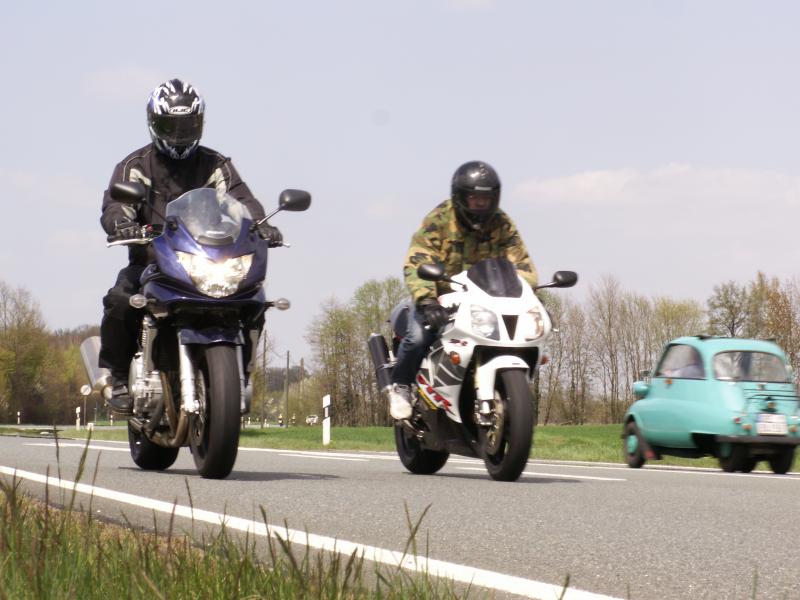 Two motorcyclists on a country road; the image serves as a symbolic image for motorcycle tours and does not show a clearly Austrian place.
Photo: Voyagemedia - RRinnau
Two motorcyclists on a country road; the image serves as a symbolic image for motorcycle tours and does not show a clearly Austrian place.
Photo: Voyagemedia - RRinnau
Brief facts about motorcycle holidays
- Choose routes by experience, gradients, bends, daily distance, traffic and weather risk.
- Alpine passes may close seasonally or at short notice because of weather or roadworks.
- Check current vignette and route-toll rules for Austrian motorways and expressways.
- Useful accommodation features include secure parking, dry storage and easy access to shops and fuel.
- A fixed base or two bases is often more relaxed than changing property every day with full luggage.
Plan routes by experience
Alpine roads differ in gradients, bends, traffic and escape routes. Less experienced riders may prefer manageable day trips with valley sections and regular stopping points. Experienced riders can plan longer pass combinations, but should still allow time for cyclists, roadworks, poor visibility and unexpected delays.
Popular routes include the Gerlos Alpine Road, the Großglockner High Alpine Road, the Nockalm Road, the Silvretta High Alpine Road and the Timmelsjoch. Opening periods, closures, road conditions and operating rules can change, so check the current information from each road operator before setting out.
Count the return journey as well as the pass itself. Photo stops, queues, fuel, breaks and cold weather can make an apparently short route take most of a day. A valley route or a rest day is a useful alternative when a high pass is closed or the weather deteriorates.
Choose a practical accommodation
Tyrol, Salzburg, Carinthia and Vorarlberg can all suit motorcycle tours, depending on the planned roads. Compare the property location with the actual approach, not only with the straight-line distance on a map. A steep side road, a narrow access or a long transfer to the first route can change the usefulness of a location.
Look for a level, secure parking space, dry storage for riding gear, a kitchen, a shower and enough room for several motorcycles. Confirm key collection for early starts and the number of parking spaces before booking. A balcony is not a substitute for a protected place to dry wet clothing.
Tolls, equipment and daily stages
For Austrian motorways and expressways, check the current ASFINAG vignette and toll information for the roads you intend to use. Toll-free country roads may be scenic but can take considerably longer, so avoid creating time pressure at the end of a demanding day.
Protective clothing, helmet, gloves, rainwear, a first-aid kit, a charged phone and the relevant vehicle documents are basic equipment. Depending on the route, spare layers, a small tool kit and puncture supplies may be sensible. Plan fuel stops, breaks, emergency contacts and a safe return to the property.
Frequently asked questions
When is the best time for motorcycle tours in Austria?
High Alpine roads are generally most accessible during their summer opening period. Snow, frost, roadworks and short-term closures are decisive, so check current operator information before departure.
Which routes suit beginners?
Choose a shorter day tour with easy stops, low time pressure and a valley alternative. Several high passes in one day are usually less forgiving than one manageable route.
How many kilometres should I plan?
On Alpine roads, bends, gradients, traffic and breaks matter more than the distance. Plan a stage that still allows a relaxed return if the weather changes or delays occur.
What should accommodation offer motorcyclists?
Secure parking, dry storage, easy manoeuvring, a kitchen and a place for wet clothing are useful. Confirm the number of spaces and early key access.
