
Horseback holidays by the sea
Find accommodation
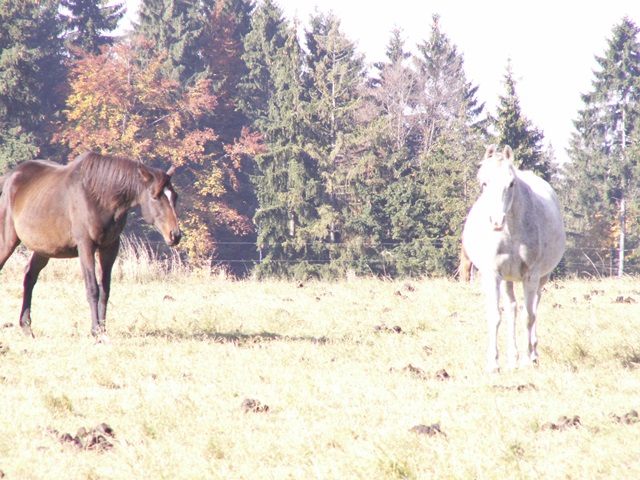 Two horses stand on an open pasture in front of a forest edge; a general horse image for equestrian holidays.
Photo: Voyagemedia - RRinnau
Two horses stand on an open pasture in front of a forest edge; a general horse image for equestrian holidays.
Photo: Voyagemedia - RRinnau
Quick facts about riding by the sea
- A coastal riding holiday may mean a beach ride, a yard near the coast or a trail through dunes and hinterland.
- Beach access depends on local rules, season, time, tides, conservation and the provider’s route.
- Sand, shells, stones, salt water, wind and waves place different demands on horse and rider.
- Accommodation should be compared with the yard and meeting point, not just with the beach.
- Storms, thunderstorms, flooding and unsafe ground need a clear alternative.
Beach ride, coastal trail or lessons?
Decide what you want to do before comparing destinations. Beginners may need lessons and a short guided ride before open sand. Experienced riders may prefer a longer coastal route, while families often need short sessions and time for non-riders. Ask whether the advertised beach experience is included, how far the horses travel to the water and whether roads, dunes or fixed paths form part of the route.
“Riding by the sea” can describe a yard that is only near the coast. Ask for the exact meeting point, riding area, duration, pace and required experience. The riding holiday overview gives a wider starting point.
Rules, tides and horse welfare
Beach access can depend on municipality, beach section, season, time and protected status. The provider should confirm access and explain what happens when tide, wind or ground changes. Deep sand, shells and stones are not suitable for every horse. Ask how horses are introduced to the coast and how the group is managed around walkers, dogs, traffic and waves.
Give honest information about experience and fitness. Confirm helmet, footwear, tack, group size, pace and the procedure if a rider or horse cannot continue. A shorter inland route or stable programme is safer than forcing a beach ride in poor conditions.
Accommodation and alternatives
Staying on a yard can simplify early starts. A coastal holiday home may offer more privacy and activities for non-riders but require a transfer. Check parking, laundry, drying space, shopping, public transport and distance to the meeting point. Ask whether an arena, inland route, groundwork, stable activity or rearranged session is available for storms or flooding.
Questions before booking
Request beach access, tide and seasonal rules, route, riding level, horse allocation, group size, duration, equipment, transfers, accommodation, price components and cancellation terms in writing. This distinguishes a genuine beach ride from a coastal stay with riding nearby.
