Riding holiday with your own horse

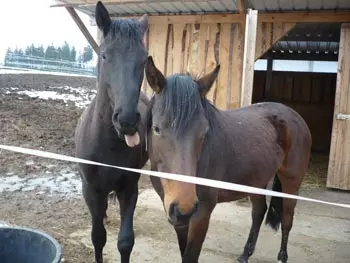
Horse-riding holiday-Erzgebirge-Alexandra-Koch.webp Horse and riding landscape as an image for a riding holiday with your own horse.

Riding holiday with your own horse begins long before the first ride. Transport, accommodation, fodder, water, pasture, hoof care, papers and accessible veterinary care must reach the destination and Duration of stay. In addition, the rider needs an accommodation from which the planned paths can be reached. A holiday home with a horse stable is not automatically suitable for every horse; Box, paddock, pasture and house rules must be confirmed before booking.

Brief facts on the subject

  • Gashorse keeping must be confirmed with box, pasture or paddock, food, water and litter.
  • Transport time, breaks, trailer space and safe arrival are all part of travel planning.
  • Riding trails, rights of way, protection areas and current restrictions vary regionally.
  • Accommodation at the court shortens paths; A holiday apartment nearby offers more privacy.
  • Hufschmied, veterinarian and emergency contact should be reachable at the destination.
  • Cross-border transport can have additional requirements and must be checked up-to-date.

Pre-clear the house, pasture and fodder

Ask the farm what accommodation is actually offered: indoor box, outdoor box, paddock, individual pasture or group housing. The same conditions do not apply to every horse. Share habits, feed requirements, intolerances, medicines and necessary rest periods. Clarify who feeds, how often is mistered, whether own food can be brought and how water is provided.

A trailer parking space, a secure connection and a place for saddling facilitate the arrival. For longer stays should also be washroom, lighting and safe storage of saddles agreed upon. An oral promise “horse can with” is too inaccurate; ask for a written list of accommodation, services, prices and possible additional costs.

Underground Riding holidays without own horse It is about rental horse, division and equipment. For families that have only single people in the saddle, offers Riding holidays with children specific criteria for joint accommodation planning.

Transport, papers and arrival

Plan the journey so that the horse does not have to go on a demanding ride immediately after a long journey. Breaks, water, safe stands and a quiet arrival are more important than a particularly close Timetable. Check route, toll, ferry times, parking and access to the yard. In the case of a Arrival to holiday accommodation must also match the key transfer with the horse arrival.

Which documents, markings or health certificates are necessary depends on the route, countries and current legal situation. For cross-border transport, you should Official EU information on animal health legislation and check the competent authorities. This general source does not replace individual information for the transport date. When travelling within Germany, different organizational conditions apply than when travelling to Austria or to another neighboring country.

Select riding region and paths

The Rhoes and that Ore mountains are possible targets for Central Mountain Routes; Slopes, surface and weather must fit the horse. In Austria Alpine conditions and altitude differences can determine the route choice more strongly.Ireland, Andalucía and Mallorca bring with it other travel and transport issues. Choose not only by landscape, but by a realistic day stage and supply at the courtyard.

Before the first ride, the company should explain which routes may be used, where road crossings are located and which protection or barrier areas must be observed. In the case of a hiking ride, stage length comes, Luggage transport, intermediate stables and return to the starting point. One Accommodation in Germany or one of Accommodation in Austria is only practical if stable and riding paths can be reached from there.

Accommodation for people and horses

Accommodation on the farm is often the easiest solution when riding and caring for the horse on a daily basis. A vacation rental nearby can provide more peace and self-catering, but requires additional ways between House and stable. Check the kitchen, washing machine, parking, trailer access, dry room and distance to the horse. For families or mixed groups, non-riders should find their own excursion destinations in the area.

The instructions for Rent a holiday home and to Secure rentals Help with contract and equipment. They do not replace the agreement with the horse farm. Clarify separately who will take care of sickness, weather change or an early departure and whether Short-term changes are possible.

Health, hoof care and emergency plan

The name and telephone number of a veterinarian and a farrier should be known at the destination. Ask how to deal with injury, lameness, or fever and whether a quarantine or separation option is available. exists. Medications, food and important information belong in an easily accessible portfolio. For very long journeys or unfamiliar floors, the condition of the horse should be included in the stage planning.

Good travel planning includes a rest day, a shorter avoidance route and a safe return option. In the event of thunderstorms, heat, smoothness, flooding or impassable ground, the ride is changed or cancelled. The is not a loss of travel, but protects horse and rider. The Travel arrangements helps with documents and luggage; the technical decision on load and path is taken by the responsible horse owner together with the farm.

The question to the horse farm

State the number of horses, arrival date, length of stay, desired posture, food, special features, trailers, riding level and planned day stages. Ask them about the water, the water, and the water. Riding paths, house order, veterinarian, farrier, prices and emergency rule. Let us confirm whether the accommodation is on the courtyard or must be booked separately.

For the comparison of regions, use the Overview of riding leave. For the final decision, however, the written clarified conditions for horse, human, transport, accommodation and riding trails count.

Prepare the transport of the horse

Before departure, horse, trailer, towing vehicle and route should be considered together. Check tires, brakes, water, feed, holding facilities and safe ventilation according to the applicable transport specifications. Plan breaks with suitable stands and allow time for a quiet arrival. After a long ride, a short walk or rest day often makes more sense than an immediate long ride.

The access to the final yard shall be suitable for the trailer. Narrow paths, steep driveways, missing turning possibilities or an unpaved parking space should be clarified in advance. Ask about one of them. Time of arrival, a tethering facility and a person showing the stable and pasture. In the case of a Arrival planning Therefore, not only the kilometers, but also the last access and the key transfer in the agreement.

Paths, hooves and load at the destination

A horse that walks mostly on flat ground at home needs time for rocky paths, long slopes or other floors. Ask the farm for the first suitable routes and for a shorter Accommodation round. Hoof protection, fittings and the possibility of a farrier should fit the region. In the Rhoes or in Ore mountains differences in elevation and middle mountain paths may make the condition more demanding; in Austria This also applies depending on the valley or mountain location.

In the case of multi-day hiking, stages, intermediate stables, luggage and water points must be fixed in advance. A beautiful route is not automatically a permitted route. Ask about road crossings, protected areas, Forest trails and local barriers. In Ireland, Andalucía or Mallorca In addition, other transport routes, temperatures and organizational conditions are added.

Record costs and responsibilities

At the price of the accommodation and guest horse keeping can come food, litter, pasture, additional stable work, washing place, parking or hoof care. Let these components be called separately. Clarify them also, whether you feed and mist yourself or which services the company takes over. A holiday apartment on the farm can be comfortable, but is not automatically associated with a full supply of the horse.

One Holiday accommodation For the riders should be coordinated with stable, parking and day stages. With a mixed group, shopping, excursions and accommodation are important for non-riders. The Contract notices help with human accommodation; the guest horse agreement must separately state all services, liability issues, cancellation and emergency rules.

Check the emergency folder before departure

The folder includes contact details of the keeper, veterinarian, farrier, proof of insurance, feed and medication plan, special behavioural information and the data of the target farm. Tell them who is in charge. Emergency decides and how you are reachable. For cross-border travel, up-to-date documents and regulatory requirements should be checked again; Older blanket lists are not enough.

Regions and forms of travel compare in the Overview of riding leave. For the specific booking, however, the written confirmation of stable, feed, routes, transport, accommodation and emergency care is crucial. Thus, your own horse remains the center of the journey without Organizational risks are overlooked.

Choose accommodation and horse stable together

With its own horse, accommodation near the stable is only practical if trailer access, guest horse keeping and daily care are clarified in writing. For medium mountain paths can Accommodation in Gersfeld or Holiday homes in Schwarzenberg serve as concrete search spaces. Ask about the distance to the stable, a safe trailer space and the riding trails that can be reached.

For a stay in Austria, Zwettl Check as an accommodation destination. The choice of location does not replace any commitment of the horse farm: husbandry, feed, pasture or paddock, saddle place, veterinarian and farrier must be confirmed directly for the travel period.

Frequent questions

Can I take my own horse on vacation?

Yes, if the target farm explicitly accepts gas horses and confirms husbandry, food, water and supplies.

Box or pasture – which is better?

This depends on the horse, his habits and the offer on site. Attitude and feeding should be discussed individually.

How long can it take to travel with a horse?

This cannot be answered in general terms. Route, breaks, weather, horse and transport conditions must be planned together.

What papers do I need?

It depends on route and countries. Check the current requirements with competent authorities and the transport manager.

Is there a veterinarian at the farm?

Not mandatory. Ask for an accessible veterinarian, farrier and the procedure in case of an emergency.

Can I ride directly from the yard?

Only if paths, driveways and usage rules allow this. A briefing on local conditions makes sense.

Is a holiday apartment at the court necessary?

No. It shortens paths, while accommodation in the area can offer more privacy. Nevertheless, daily care must remain practical.

What happens in case of sickness or bad weather?

Care, rest days, alternative routes and a possible early departure should be discussed in advance. Safety goes before the planned ride.

Photo: Alexandra Koch

Advertisement