
Motorhome holidays: plan the vehicle, pitches and daily stages
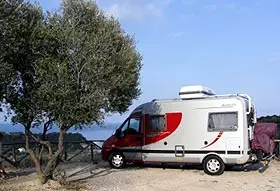 A motorhome makes it possible to take the comforts of home on the road.
A motorhome holiday combines transport and accommodation, giving you flexibility but also responsibility for driving, parking, supplies and daily planning. Match the vehicle and route to the people travelling and the countries you will visit.
Choose the right vehicle
Check vehicle length, height, width, payload, driving-licence requirements, sleeping places, seat belts, bathroom, kitchen, heating, cooling and storage. During handover, record existing damage and confirm the equipment, insurance, mileage and return conditions.
Check parking and overnight rules
Free overnight stays are not allowed everywhere. Confirm local rules, marked pitches, campsite facilities, tolls, environmental zones and ferry requirements for each country. Check access, turning space, electricity, water, waste disposal and opening times before arriving.
Plan realistic daily stages
Do not plan by mileage alone. Curves, ferries, city entrances, traffic, breaks, supplies and disposal stations affect the day. Shorter sections are often more comfortable for children, older passengers or an inexperienced driver. Leave a buffer day when weather or a breakdown could change the route.
Combine touring with fixed bases
A fixed location for several nights gives time for a town, lake or walk without driving every evening. A holiday home can also work as a start or end point if vehicle parking, handover and the return route are clearly arranged.
Budget the whole journey
Include rental, insurance, fuel, tolls, pitches, electricity, water, cleaning, equipment, food, parking and ferries. Before the final stage, check fuel, water, waste, gas, electricity, food, loose items and the agreed return time.
Photo: Markus Lenk
