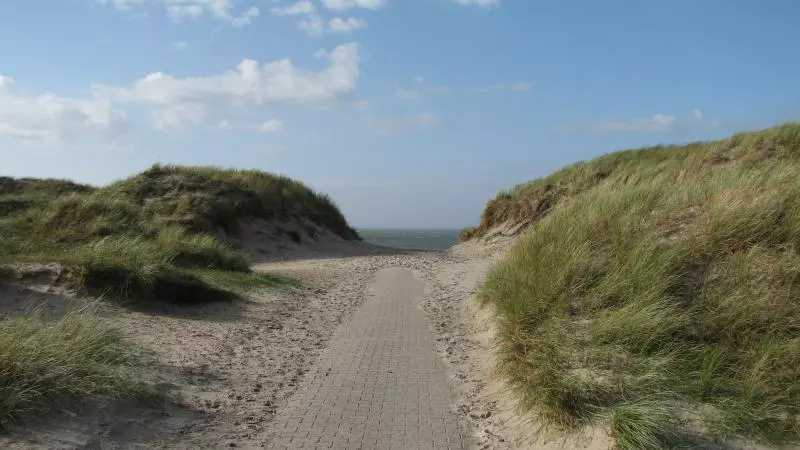
West Frisian Islands of the Netherlands

Dune path Endless Beach and Dunes: The West Frisian Islands for Island Holidays in the Netherlands

Brief facts on the subject

  • The West Frisian islands differ in size, ferry port, beach location and transport offer.
  • Watts, dunes and weather shape the daily routine more than a fixed fair weather planning.
  • On many islands, bicycles are practical; The car makes different sense depending on the island and length of stay.
  • Ferry times, luggage transport and the route from the jetty to the accommodation should be clarified early.
  • Dogs are subject to seasonal or local rules on beaches and nature reserves.
  • A quiet location can mean longer distances to the place; The return and the return are in comparison.

The West Frisian Islands connect North Sea beaches, dunes, mudflats and paths for bicycles. The daily routine is more heavily influenced by wind, tides and ferry connections than many Mediterranean destinations. Who are the If you want to explore the island on foot or by bike, you should consider accommodation, luggage transport and return together in advance.

Regions and travel profiles

Texel is comparatively large and offers many places, beaches and services. Vlieland, Terschelling, Ameland and Schiermonnikoog look calmer and more nature-oriented depending on the place. Accommodation near the port, Cycle paths or beaches have different advantages and disadvantages. In protected areas, routes and access requirements apply which should not be circumvented by abbreviations. For general arrangement helps Island holidays; There are other goals such as Corsica and West Frisian Islands Compare.

Travel time and seasonal differences

Summer is popular for beach and bicycle travel. Spring and autumn are suitable for walks and nature observation, but bring more changeable weather. In winter many areas are quiet, at the same time the Selection of open offers smaller. Wind protection and warm accommodation are especially important outside of summer. A look at Travel times helps to include school holidays, holidays and seasonal opening hours in the planning.

Travel and mobility

The ferry is the central part of the journey. Timetable, reservation, vehicle carry and luggage must fit the accommodation. Those who arrive without a car should clarify bicycle rental or transfer from the port. In the case of a Delayed arrival requires an accessible key delivery. The instructions for Arrival and departure Help with arrival time, key handover, parking and return. When travelling by ferry, check-in deadlines and a weather buffer are part of the plan.

Choose accommodation appropriately

For families, short distances, safe cycle routes and a weatherproof interior are valuable. Who travels with dog, checks designated beach sections and seasonal restrictions. An accommodation with bicycle space, Washing facilities and kitchen support independent day planning. A close check before booking is especially important if the accommodation is secluded or daily trips to beaches and attractions. are provided. Additional checkpoints are in Rent a holiday home and Costs and additional costs.

Practical instructions for the stay

At the West Frisian Islands, ferry, bicycle, weather and luggage transport determine the daily schedule. Before booking, check how to get to the property from the jetty and whether a car can be taken. Dogs and conservation rules are to be observed locally and seasonally.

The islands with places, ports and focal points

Texel can be reached by ferry from Den Helder and offers several different starting points with Den Burg, De Koog and Oudeschild. De Koog is close to many beaches and fits classic bathing days; The castle is practical as a central place for shopping and supply. Oudeschild has a port and a different local atmosphere. For arrival by car or bicycle, the ferry time together with the route from the ferry port to the Accommodation is planned.

Vlieland and Terschelling are reached from Harlingen. Vlieland is largely car-free and is particularly suitable for cycling, dune paths and quiet days. Terschelling is bigger and offers a West-Terschelling important port as well as several villages and natural areas. On Terschelling it may be possible to take a car, but it must be reserved in advance and compared with the local rules. Who travels without a car, should check baggage transport, bicycle rental and the distance from the port to the accommodation.

Ameland is served from Holwerd. Nes is the central arrival point with facilities and connections; Hollum and Ballum are more western and look calmer depending on the location. Schiermonnikoog can be reached via Lauwersoog. The island is known for nature and bicycle holidays and is largely car-free in tourist everyday life. For both islands, the rules for vehicles, luggage, bicycles and beach accesses are before booking. important because they directly influence the daily routine.

Watt, dunes and weather connect meaningfully

The Wattland is not an ordinary stretch of beach. Tides, pries, silts and nature conservation determine when and where paths can be safely used. Guided wattage walks should only be carried out with suitable equipment and experienced suppliers are undertaken; Abbreviations can be dangerous. Dune paths and long cycle routes require wind protection, drinking water and a plan for changeable weather. In storm or strong wind, ferry connections and excursion destinations must be checked at short notice.

Families often choose Texel or Ameland when a wider choice of places, beaches and services is important. Vlieland and Schiermonnikoog are a better fit for travellers looking for peace, bicycle and nature experience. Terschelling offers more space for different daily destinations and can be interesting for both beach holidays and nature observation. The best island therefore depends on mobility, desired infrastructure and the willingness to align the daily schedule according to tides and weather.

The West Frisian Islands differ in ferry, bicycle lanes and supply; The specific everyday life of the island should be determined before booking. Providing further guidance Danish islands.

Frequent questions

Which island is suitable for your first stay?

Texel offers a lot of infrastructure; Smaller islands fit better when peace and nature are in the foreground.

Do you have to bring a car?

Not necessarily. Bicycle, bus and transfers can suffice, the luggage and excursion planning is then more important.

What does Watturlaub mean?

Tides, silts and protected areas determine access and security; Current indications must be observed.

Are dogs allowed on the beaches?

This depends on the island, beach section and season and must be checked on site.

When is it quietest?

Spring, autumn and winter are usually quieter than the summer holidays.

Photo: Rainer Lenk

Advertisement