Exotic islands

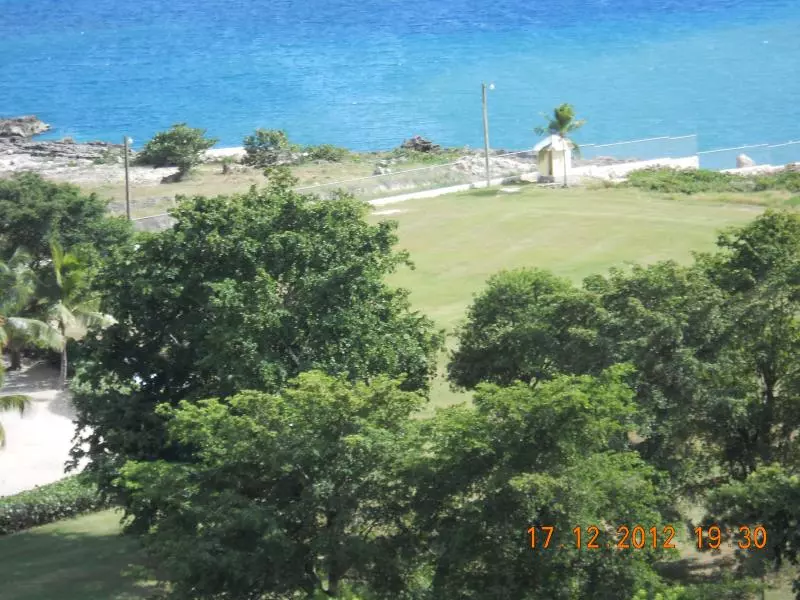
Caribbean Coast in the Dominican Republic Turquoise blue Caribbean Sea with coastal stripes, palm trees and green shores in the Dominican Republic as a symbolic image for exotic island holidays.

Brief facts on the subject

  • Exotic island destinations differ significantly in climate, rainy season, arrival, infrastructure and price levels.
  • European islands and overseas territories can provide tropical travel experiences, but do not automatically have the same entry or health rules as mainland Europe.
  • The Caribbean, Indian Ocean, Southeast Asia and Pacific are suitable for different focuses between beach holidays, nature, culture and water sports.
  • Flight times, transfers, luggage, airport transfers and possible boat trips are all part of the travel planning.
  • For long-distance travel, health care, documents, insurance, drinking water and medical accessibility must be checked before booking.
  • In the case of holiday homes, in addition to the beach, shade, shopping, power supply, air conditioning, rental cars and an accessible contact person count.

An exotic island holiday can mean a long sandy beach, a volcanic landscape, a coral garden, rainforest or a special island culture. However, the destinations are often far apart and are Not just interchangeable. If you first determine the desired landscape and travel time, you can compare flight, transfer and accommodation more specifically. For families, short distances and safe bathing places are particularly important; For nature and active holidays, weather windows, equipment and distance are excursion destinations.

Europe and European overseas territories

For travelers wishing to combine European connections and tropical landscapes, several different destination types are considered. Madeira and the Azores offer Atlantic, volcanic landscapes, hiking trails and A comparatively well planned arrival. The Spanish Sun Islands are interesting for beach holidays, year-round infrastructure and different island characters. In Madeira, the focus is on Funchal, Levadas and steep coasts, while the Azores with crater lakes, green slopes and whale watching allow a more nature-oriented holiday.

In the case of European overseas destinations, a distinction must be made between EU territories and politically connected but non-EU territories. Madeira is an autonomous region of Portugal and belongs to the EU. Martinique, Réunion and Mayotte are French overseas departments and regions as well as EU territories with special status. Aruba and Curaçao belong to the Kingdom of the Netherlands, but are not EU territories. French Polynesia and New Caledonia are French overseas territories in the Pacific, but also do not belong to the EU. British overseas territories include Bermuda, the Cayman Islands and the British Virgin Islands.

EU citizenship, the euro, the Schengen area, the length of stay, customs and entry formalities must be examined separately. Even an EU territory does not automatically mean that for border, customs and health issues the same Rules as on the European mainland apply. For Aruba, Curaçao, French Polynesia and New Caledonia, the entry requirements must be independently checked. Before booking should passport, possible visas, return or onward travel tickets, health insurance and health care based on the current information of Federal Foreign Office are tested.

Caribbean: beaches, island culture and short excursions

The Caribbean is suitable for travelers looking for warm sea, beaches and a mix of island culture and relaxation. The French islands Guadeloupe and Martinique connect bays, rainforest, Volcanic landscapes and places with French-Caribbean cuisine. Pointe-à-Pitre and Basse-Terre on Guadeloupe and Fort-de-France on Martinique are important urban destinations. For holiday homes, the location counts between the beach, shopping and excursion destinations; On a highly structured island, a change of location can take more time than expected.

Aruba, Curaçao and Bonaire are located in the south of the Caribbean and are popular for drier climate, brighter beaches and good conditions for water sports. Oranjestad, Willemstad and Kralendijk provide port, supply and Excursion possibilities. Curaçao suits travelers who want to combine coves, diving and culture, while Bonaire is more focused on nature and underwater experiences. Aruba is for bathing holidays and a The developed tourist infrastructure is interesting. The wind direction, the distance to the nearest beach and the rental car costs should be considered when choosing accommodation.

Barbados with Bridgetown, the eastern Lesser Antilles and the islands of the eastern Caribbean also offer different travel profiles. Those who want to connect several islands should not only airfare, but also Compare transfer times, baggage rules and the frequency of connections. For a quiet stay, a single island is often more restful than a dense island hopping plan.

Indian Ocean: Mauritius, Seychelles, Maldives and Réunion

Mauritius connects beaches, coral reefs, mountain landscapes and a culturally diverse population. Port Louis is the economic center, while Grand Baie, Flic en Flac, Le Morne and the East offer different focal points for bathing, excursions and water sports. A holiday home on the coast can be suitable if shopping and rental cars are reachable. For hikes and viewpoints in the island The driving time is more important than the direct sea view.

The Seychelles consists of many islands with different accesses. Mahé with Victoria is the main arrival point and offers the largest selection of supplies and roads. Praslin is for beaches and natural destinations La Digue is known for quiet paths and movement by bicycle. Who changes between the islands, plans ferry, luggage and weather buffers. For a first stay, a combination of Mahé and another Island can be more meaningful than several short stops.

The Maldives are strongly determined by the location of the atoll and the transfer. After arriving at Malé, it will continue depending on the accommodation by speedboat, domestic flight or seaplane. Resort Islands and inhabited Islands differ in food, excursions, alcohol rules, clothing, infrastructure and the possibility of renting a holiday apartment. For the choice therefore not only beach pictures, but transfer duration, Diving and snorkeling offers, season and total price.

Réunion is a French volcanic island with Saint-Denis, black and bright coastlines, highlands and challenging hiking routes. It is more appropriate for a combination of nature, culture and active holidays. As a pure resort stay. The Piton de la Fournaise volcano, the talc kettle and the elevation differences demand a different planning than a flat beach holiday. Weather and road conditions can be excursions Influence.

Southeast Asia and Pacific

Thailand, Indonesia and the Philippines offer a wide range of islands that vary greatly in terms of travel and infrastructure. Phuket and Koh Samui are relatively easy to reach and offer many services; Smaller islands can offer quieter beaches and more nature, but require additional boat or domestic flights. Bali connects beaches, temples, rice terraces and lively places. For an accommodation It should be checked whether the beach, excursions, shopping and traffic are realistically compatible.

The Philippines is interesting for island hopping, reefs, lagoons and smaller seaside resorts. Palawan with Puerto Princesa and El Nido, Bohol with Tagbilaran and Cebu with Cebu City are well-known starting points. actual travel time between airport, port and accommodation can vary greatly. A buffer for weather and boat trips is more important than the narrowest possible program. For remote holiday homes, electricity must be Internet, water and food are clarified in advance.

The Pacific Ocean includes French Polynesia with Tahiti and Bora Bora, New Caledonia with Nouméa and Hawaii as a US state. These destinations offer lagoons, volcanic landscapes and a special island culture, However, they are associated with long flight times and high transfer costs. When travelling to French Polynesia, New Caledonia or Hawaii, the respective entry and transit conditions should be checked separately. Supply options and the distance to the airport or ferry port are crucial for finding accommodation.

Which region fits which island holiday?

  • European proximity and nature:Madeira, the Azores and the Canaries offer volcanic landscapes, hikes and comparatively manageable travel planning.
  • European connection with tropics:Guadeloupe, Martinique, Réunion or Dutch Caribbean Islands combine European references with tropical climate, but require a close examination of the respective rules.
  • Beach and island culture:Barbados, Martinique, Guadeloupe and Curaçao are suitable for bathing, places, cuisine and excursions.
  • Diving and snorkelling:Bonaire, the Maldives, Seychelles and many Philippine islands offer suitable focal points, with season and weather windows remaining crucial.
  • Hiking and Landscape:Réunion, Madeira, the Azores, Mauritius and many Pacific islands are more suitable than flat resort islands.
  • Quiet and little change of location:A single island with good care is often the better choice than several short stays with additional transfers.

Properly plan travel, health and accommodation

For long-distance travel, long-haul flight, changeover, entry, transfer and check-in are considered together. For separate tickets, a generous time buffer should be planned. The information on Arrival and departure and Travel arrangements Help with documents, luggage and arrival. To Cost planning Includes flights, transfers, ferries, rental cars, tips, excursions and travel insurance.

Before booking, climate, rainy season, mosquito protection, vaccination and health issues, air conditioning, drinking water, electricity, Internet and medical accessibility are checked. The instructions for Holiday accommodation before booking are also helpful for distant island destinations. When changing islands, baggage limits, ferry dates and the distance between port, airport and accommodation should match.

For a shorter journey can Madeira or the Azores Suitable alternatives. If you are looking for a warm island with many beaches and short distances, you can compare the Spanish sunny islands with the long-distance destinations. Crucial remains travel time, desired Program, budget and the concrete location of the accommodation.

Exotic island destinations differ in climate, travel and infrastructure; The selection should therefore be made according to travel time and desired everyday life. Providing further guidance Island holidays.

Frequent questions about exotic islands

What are European Overseas Territories?

This refers to islands and territories that are politically or administratively connected to European states but are located outside Europe. Madeira, Guadeloupe, Martinique and Réunion are EU territories European countries. Aruba, Curaçao, French Polynesia and New Caledonia, on the other hand, are politically linked to European states, but do not belong to the EU. The travel and entry rules differ by destination.

Do you need a passport for European overseas territories?

This depends on the specific area, nationality, itinerary and possible transit countries. Also for a connection to France, the Netherlands or the United Kingdom, the current Entry requirements are checked before booking.

When is the best time to visit the Caribbean?

The best time depends on archipelago and travel interests. Dry season, hurricane risk, temperatures, wind, prices and local events should be compared together.

Which islands in the Indian Ocean are suitable for families?

Mauritius and the Seychelles offer good combinations of beaches, supplies and excursions depending on the location. In the Maldives, transfer methods, medical accessibility, shade and the concrete bathing area are particularly important.

How much time should you plan for a long-distance trip?

For long journeys, ten to fourteen days are often useful. On several islands, additional buffers are added for flights, ferries, baggage and weather-related changes.

Does a holiday home on an exotic island make sense?

Yes, if purchasing, water, electricity, air conditioning, cleaning, security and a local contact are reliably clarified. For remote islands, supply is more important than a particularly low rental price.

Is it possible to visit exotic islands without rental cars?

On many small or well developed islands this is possible. Before booking, buses, taxis, transfers, bicycle rental and the distance of accommodation to the beach and shopping should be checked.

What is particularly important in island hopping?

Timetables, baggage limits, transfer times and weather buffers must fit together. Fewer island changes often create more recovery and reduce the risk of a delayed flight changing all planning.

Photo: Angelika + Peter Baczkowski

Advertisement