Danish Islands
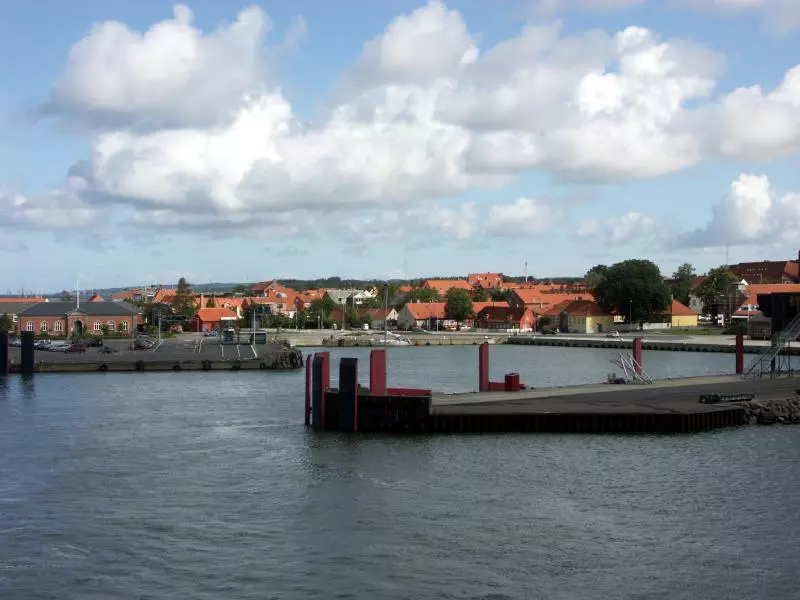
Port basin of Rønne on Bornholm with red houses, water area and jetties as an image for Danish island holidays.
Brief facts on the subject
- Danish islands connect the Baltic Sea, North Sea, ports, dunes, chalk coasts and short distances.
- Zealand, Funen, Bornholm, Lolland, Falster, Møn, Fanø, Rømø, Ærø, Læsø and Samsø have clearly different landscapes and arrivals.
- Depending on the destination, the paths lead over bridges, car ferries or smaller island ferries; Timetables and car take should be checked before booking.
- The best time to travel depends on the focus: swimming and cycling are particularly suitable for summer, city and nature travel also for spring and autumn.
- For families and cyclists, short distances, safe parking, shopping and a weatherproof alternative program are important.
- The travel price can be added ferry, bridge toll, parking, final cleaning, electricity, heating and pet costs.
An island holiday in Denmark can look very different: On Zealandland you can connect Copenhagen, castles and the north coast, on Bornholm alternate rock coast, port towns and sandy beach. Fun is for gardens, mansions and the city of Odense; The smaller islands in the south and Kattegat offer more peace and a slower daily rhythm. Decisive is therefore not only the island name, but the exact location the accommodation, the port and the question of whether a car should travel.
Zealand: Copenhagen, Helsingør and the North Coast
Zealand is the most versatile Danish island for travelers who want to combine culture, city and coast. Copenhagen is the main urban focus with port, museums, old town and good railway connections. Helsingør is located in the north on the Öresund; Kronborg Castle, its maritime location and proximity to the Swedish coast make the city a suitable day destination. Also Roskilde with Dom and Viking Ship Museum and the coastal towns of the Danish Riviera can be reached from many locations.
For the accommodation come the greater Copenhagen area, the north coast or smaller places in the island interior. If you want to visit many sights without long car trips, pay attention to train or bus proximity. For Beach days and more tranquility fit the coastal towns, but shopping, parking and the distance to the nearest train station must be checked in advance. Important ferry and port locations on Zealand include Helsingør, Køge and Kalundborg. Rødbyhavn, on the other hand, is located on Lolland on the southeast coast and is an important ferry port on the Fehmarnbelt.
Funes: Odense, mansions and small ports
Funen lies between Jutland and Zealand and is often described as the garden of Denmark. The island suits holidays with quiet coasts, bike rides, historic manor houses and small port towns. Odense is the greatest City of the island and offers a cultural day program with the old town, museums and the surroundings of the poet Hans Christian Andersen. Egeskov with its historic castle complex and gardens is a well-known destination in the island; Opening hours and events change seasonally and should be currently checked.
Svendborg and Faaborg are good starting points for the southern Fun coast and the offshore islands. Nyborg is located at the transition to Zealand and is interesting for travelers who want to combine arrival and excursions. For a holiday home on Funen, a central location, bicycle storage space and the distance to the baker, supermarket and port count more than the greatest possible distance to all neighbors.
Bornholm: Rønne, rocky coast and sandy beaches
Bornholm is well away from the main Danish islands and has its own character. Rønne is the main port and transport hub; From here, roads are distributed to the coastal towns and to the Island interior. Hasle and Allinge-Sandvig suit travelers who like harbour atmosphere and rocky coastlines. Gudhjem is known for its slopes, harbour and views over the Baltic Sea, while Nexø in the southeast has a offers larger port and access to the long sandy beaches at Dueodde.
Among the striking sights are the castle ruins Hammershus, the round churches, the rocky coast in the north and the dune and sand landscapes in the south. Bornholm is suitable for a round trip with several Daily destinations, but also for a fixed location, when cycling, hiking or swimming are the focus. During the ferry journey, the place of departure, vehicle carrying, crossing time and a sufficient buffer for the Arrival at the holiday home is especially important.
Lolland and Falster: beaches, Maribo and the south
Lolland and Falster are located south of Zealand and are interesting for a comparatively uncomplicated journey from Germany. Maribo is located in the interior of Lolland on several lakes and is suitable as a quiet Starting point for nature and culture days. Nakskov at the western end of the island has a port and a historical center. On Falster, Nykøbing Falster is the most important place for shopping, supply and excursions; Gedser on the southern tip is known as the ferry port to Rostock.
The coasts differ between open sandy beaches, shallow shore areas and protected bays. For families, a short distance to the beach, safe paths and shopping are more important than a as remote as possible. Those who arrive by car can connect Lolland and Falster well with Zealand; for accommodation near the port, noise, parking and the actual distance to the beach should be The booking is compared.
Møn: Chalk Rocks, Stege and Klintholm Havn
Møn is a good choice for nature holidays with a striking landscape experience. The white chalk cliffs of Møns Klint fall steeply to the Baltic Sea; Routes, weather and altitude differences should be realistic during excursions be scheduled. Stege is the central location of the island and connects shopping, historical city structure and the approach to other destinations. Klintholm Havn is located near the east coast and offers a maritime complement to Nature program.
A holiday home on Møn is especially suitable for hikers, photographers and families who want to combine nature days with quiet beach or local visits. For people with reduced mobility, it makes sense that to check the specific route and access to the viewpoints in advance. Møn can be reached from Zealand via road connections and does not require a classic island crossing.
Fanø and Rømø: Wadden sea, dunes and wide beaches
Fanø is located in front of Esbjerg and can be reached by a short ferry. Nordby is the main port with historic homes, shops and restaurants; Sønderho in the south is known for its traditional village structure and the proximity to dunes and beach known. Fanø suits cyclists, families and travellers who want to combine wattage, wind and a car-free or slow daily rhythm. For the ferry journey are departure times, Vehicle transport and seasonal utilization are crucial.
Rømø is connected to the mainland via a dam and can therefore be reached without a ferry. Havneby in the south is the central port and starting point for the ferry connection to Sylt. Lakolk stands for the broad sandy beach on the west coast; But the open location also brings wind and changing conditions. Anyone who chooses a holiday home on Rømø should compare beach distance, shopping, bicycle paths and the question of whether excursions with the car or mainly on foot and by bike are planned.
Ærø, Læsø and Samsø: smaller islands with their own rhythm
Ærø is suitable for travelers looking for port towns, bike paths and tranquility. Ærøskøbing is known for its well-preserved historical development, Mars Valley has a maritime tradition and a port, and Søby is located to the west. of the island. Arrival is via ferries, therefore the port of departure, vehicle transport and transfer to the accommodation should be planned together.
Læsø is located in the Kattegat and can be reached via the port of Vesterø Havn. Dunes, heath, quiet beaches and the Salziederei characterize the island character; Byrum is the central place in the island, Østerby another Port location. Læsø suits nature holidays and longer stays with little program. Samsø connects agriculture, beaches and small ports. Tranebjerg is the central place, Ballen and Sælvig are important points of contact; depending on the ferry route, the location of the holiday home can greatly influence the daily routine.
Which Danish island is suitable for which holiday?
- City, culture and many excursions:Zealand with Copenhagen, Helsingør and Roskilde offers the largest selection without daily island changes.
- Cycling, gardens and quiet coasts:Funen is suitable if Odense and southern Funian port towns are on the itinerary together.
- Rocky coast, sandy beach and many landscapes:Bornholm is worthwhile for travelers who want to experience several coastal characters on an island.
- Family holiday with beach and short journey:Lolland, Falster or Rømø can be convenient if accommodation, shopping and the beach are well connected.
- Hiking and special nature:Møn with Møns Klint or Læsø with dunes and heath offer a clear focus on nature.
- Port location and deceleration:Ærø, Fanø and Samsø are suitable for a quieter stay where ferry times are part of the itinerary.
Those who fluctuate between the Danish North Sea and the Baltic Sea can also German holiday islands on the North Sea and Baltic Sea Use it as a comparison. For a pure beach holiday, the view helps Holiday homes near beach and coast; For families, space, safe exteriors and short distances are the more important criteria.
Arrival, ferries and accommodation plan correctly
For Zealand, Funen, Lolland and Falster, bridges and road connections are important options. Bornholm, Fanø, Ærø, Læsø and Samsø are reached by ferries depending on the starting point. Rømø is accessible via the dam, While the ferry from Havneby to Sylt can be an excursion or onward journey. Timetables, reservation requirements, vehicle sizes, bicycle ride and possible seasonal changes are part of the travel planning; Current Information contained in: Visit Denmark and the respective transport providers.
General planning Arrival and departure with a holiday accommodation and to Travel arrangements helps to coordinate ferry, luggage, key handover and return journey. For travel time are Season and weather crucial: In summer, beaches and cycle paths are in demand, outside the high season wind, shorter opening hours and a smaller choice of means of transport can play a greater role.
In addition to rent and final cleaning, the costs should also include ferry or bridge toll, electricity, heating, parking, bed linen and pet. The notes on Costs and additional costs and to Check the accommodation before booking Helps with comparison. Those who travel with a dog should also Holiday with the dog in Denmark Include the rules of accommodation, ferry and beach.
Frequent questions about Denmark's islands
Which Danish island is suitable for the first island holiday?
Bornholm offers many landscapes and places on an island. For short distances and a manageable stay, Fanø, Ærø or Rømø can fit better if the respective journey fits the travel plan.
Do you need a car on Danish islands?
Not always. On Zealand, Funen and larger islands, a car facilitates several daily destinations. On Fanø, Ærø or Læsø bicycle and bus can suffice if the accommodation is convenient.
When is the best time to travel?
The summer months are particularly suitable for swimming, long bike rides and the use of many seasonal offers. Spring and autumn are often quieter, but more dependent on wind and weather.
What to consider on a ferry trip?
Departure time, reservation, vehicle and bicycle transport, luggage, possible waiting times and a time buffer for key delivery should be checked together.
Which island is suitable for families?
Lolland, Falster, Rømø and Fanø can fit well with beaches and family-friendly trails. Decisive are beach access, shopping, accommodation facilities and an alternative program in the rain.
Where to find important ports on Bornholm?
Rønne is the central port of arrival. Other well-known coastal and port towns are Hasle, Allinge-Sandvig, Gudhjem and Nexø; the appropriate location depends on the center of gravity between rock coast, harbor life and sandy beach.
Can you travel to a Danish island with a dog?
Yes, if entry, accommodation, transport, linen rules and local beach regulations are checked in advance. Additional requirements for animals may apply on a ferry.
Photo: Hans Jürgen Lenk