Croatia

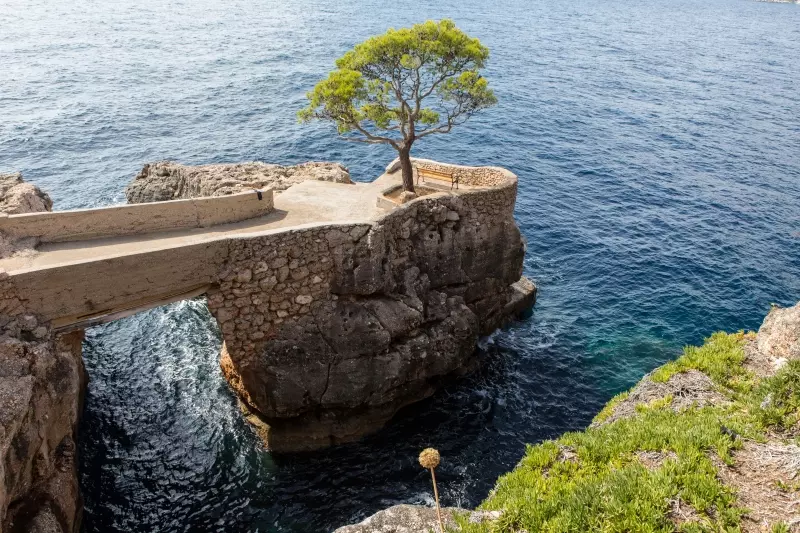
Coast at Hvar Rocky coast at Hvar with deep blue Adriatic Sea and single pine tree as an image for Croatian island holidays.

Brief facts on the subject

  • Croatia’s islands range from the island of Krk, which can be reached via a bridge, to remote natural destinations such as Mljet and Dugi Otok.
  • Krk, Cres, Lošinj, Rab, Pag, Brač, Hvar, Korčula and Mljet differ significantly in landscape, beaches, places and arrival.
  • Ferries, catamarans and bridges determine whether a car, a fixed location or an island change is suitable for the journey.
  • Pebble beaches, rocky bays and few sandy beaches require suitable bathing shoes and a realistic assessment of bathing access.
  • July and August are warm and in high demand; May, June, September and often early October are better suited for excursions.
  • For a holiday home, parking, air conditioning, shade, shopping, ferry port and the distance are among the planned coves.

Croatia’s islands suit travelers who want to combine bathing, historic ports, nature and excursions on the Adriatic. However, the differences are great: Krk can be reached by car via a bridge, while for Brač, Hvar, Korčula or Mljet a ferry or catamaran journey must be planned. Those who first determine the desired landscape, daily mobility and excursion destinations will find a suitable accommodation. For entry into further island destinations and the general selection remains Island holidays A meaningful orientation.

Krk: uncomplicated travel and many coastal towns

Krk can be reached via the bridge from the mainland and is therefore particularly practical for a first trip to Croatia with your own car. The island capital Krk connects a historic old town with port, restaurants and bathing places. Baška in the south is known for the long bay, the view of the Velebit mountain range and the proximity to other bays. Malinska and Njivice on the west coast are suitable for a holiday with a promenade, Supply and short distances to the water; Vrbnik is spectacularly located above the coast and is more strongly characterized by old town, viticulture and views.

Those who want to visit different beaches or places every day will find more flexibility on Krk than on an island with only fixed ferry journeys. In summer, bridges, main roads and popular seaside resorts can become stronger. be burdened. For families, a shaded accommodation, a parking lot and an easily accessible bathing access are important criteria. A quiet location in the interior of the island can seem more favorable, but extends the paths to the beach and dinner.

Cres and Lošinj: nature, port cities and longer distances

Cres is long stretched and sparsely populated in many places. The town of Cres is located on a protected bay and offers a port, narrow alleys and restaurants. Lubenice is located above a well-known bay and is a destination for views and landscape; The way down is not the same as a short beach walk. Valun and Martinšćica are smaller coastal towns where peace and bathing bays are more important than a Extensive nightlife. For an accommodation on Cres car, shopping, access and the travel time between north and south part should be realistically estimated.

Lošinj connects south to Cres and is connected via Osor and a movable bridge. Mali Lošinj has a large natural harbour, a wide selection of gastronomy and the best supply of the island. Veli Lošinj It looks smaller and quieter; the paths on the water and the protected location match walks. Čikat and the bays in the south are interesting for bathing and pine landscape. Cres and Lošinj are suitable for travelers who Look for nature and port places, but do not have to reach a large number of different sights every day.

Rab: Old town, coves and family-friendly beaches

Rab connects a striking historical old town with different seaside resorts. The city of Rab is located on a narrow peninsula and is easily recognizable as an excursion destination due to its towers, alleys and the port. lopar in the north is a popular choice for families because of several shallower sand and gravel bays; The well-known Rajska Plaža is in demand in the summer. In the south and west there are quieter coves and wooded Sections that are often only accessible via narrower roads or on foot.

The ferry connection from the mainland and the seasonal connections to Krk make Rab easy to reach, but the specific timetable should be checked before each trip. For families count shadows, short distances, shopping and safe access to water. If you especially want to use the old town and restaurants, choose accommodation closer to Rab; if you plan long bathing days, you are in Lopar or a coastal town with suitable beach proximity Better off.

Pag: open landscape, stone walls and different holiday profiles

Pag stands out through barren, wind-shaped landscapes, bright stone walls and wide views. The city of Pag has a historical complex and a protected coastal area. Novalja in the north offers more tourist Infrastructure, excursion boats and a livelier summer profile. The bay of Zrće is mainly known as a go-out destination and does not automatically fit every family or recreational trip. To the west and south quieter sections, while Lun stands for old olive trees and a special landscape.

Pag is connected to the mainland by a bridge; This makes it easier to get there by car and take trips towards Zadar. At the same time, wind, heat and the lack of shadows on open coastal sections can Influence day planning. Before booking, noise situation, distance to the beach, parking and the supply in the respective place should be checked. For a quiet stay is a location outside of Party areas are often more crucial than the view of the sea.

Brač: Supetar, Bol and the view from Vidova Gora

Brač is one of the largest Dalmatian islands and is mostly reached via Supetar from Split. Supetar offers port, shopping, restaurants and good conditions for accommodation without daily long distances. Bol an’ the south coast is known for the beach Zlatni Rat, the waterfront and the view of the mountains. The beach changes its shape according to the wind and current; A constant image of the shore should therefore not provided they are. Above the island is Vidova Gora, from where there are wide views over the Dalmatian coast.

For a beach holiday, the proximity to a specific bay is more important than the mere indication “by the sea”. If you want to connect several places, viewpoints and beaches, you should plan a car or a realistic bus plan. Families pay attention to shade and access to the water, active holidaymakers in addition to safe parking for bicycles or equipment. The ferry arrival in Supetar and the onward journey to the accommodation include already in the travel planning.

Hvar: Port City, Stari Grad and Quiet Bays

Hvar connects a well-known port city with offshore islands, coves, olive groves and places of very different character. Hvar City offers the fortress above the port, historic alleys, restaurants and A more lively evening profile. Stari Grad is located on a deep bay and is interesting for the old city structure, the port and the plain in the hinterland. Jelsa is suitable as a smaller port with a promenade and Swimming spots, while in the interior of the island and on the south coast are quieter, but often winding reachable locations.

Depending on the destination, the ferry and catamaran connections to Hvar are via Split, Drvenik or other Dalmatian ports. Therefore, it must be clarified before booking whether the accommodation in Hvar city, Stari Grad, Jelsa Or on the south coast. For nightlife, the proximity to Hvar city is convenient; For peace and nature, smaller places are more suitable. An accommodation with parking, shade and good access is especially on Hvar It is important if several coves are to be visited.

Korčula: historic city, Vela Luka and island vineyards

Korčula offers a mixture of medieval old town, wooded slopes, coves and smaller coastal towns. Korčula city is located on a narrow peninsula and is suitable for the compact old town, the port and The waterfront is known. Lumbarda east of the city connects smaller beaches, vineyards and a quieter environment. Vela Luka at the western end has a protected port and is a practical arrival and point of excursion; Between the villages are winding roads and significantly different landscapes.

Depending on the connection, Korčula can be reached via Split, Dubrovnik, Orebić or other ports. For motorists, taking a vehicle on the chosen ferry is crucial, while catamarans are more likely for travelers without a car. are suitable. If you want to combine old town, bathing and excursions, you should choose the location not only by distance to the sea, but by port, parking and evening trails. Lumbarda is more suited to beach and Landscape days, Korčula city to culture and gastronomy, Vela Luka to rest and a western starting point.

Mljet, Dugi Otok and Vis: Natural goals with more precise planning

Mljet is known for the national park in the west, the salty lakes and a forest-rich landscape. Pomena and Polače are important points of contact for the National Park, while Babino Polje is located in the interior of the island. Mljet is suitable for travelers who want to combine hiking, cycling, bathing and nature observation. Since the supply and public transport outside the larger places may be limited, luggage, shopping and the Away from the investor to the accommodation can be clarified in advance.

Dugi Otok offers several strong landscape experiences with Sali, the Telašćica Nature Park and Sakarun Bay. Sali is the most important place in the southeast and connects port, supply and excursions. Vis is further from distant land and in many places more original; Vis City and Komiža are the most important places, while the Blue Grotto on Biševo can only be reached by a separate boat trip. Such islands are for nature and tranquility very attractive, but less suitable if spontaneous big city trips, extensive shopping or short transfer times are in the foreground.

Which Croatian island is suitable for which holiday?

For an easy car journey fit Krk and Pag, because no regular island ferry to the accommodation is necessary. Families find well-developed places on Rab, Krk and parts of Brač, but should have beach access, shade Concretely compare summer utilization. Those looking for port cities and culture can choose Hvar City, Korčula City, Rab or Cres. For nature, hiking and quieter days are Cres, Lošinj, Mljet, Dugi Otok and Vis Especially interesting. Pag and Hvar also offer lively summer areas; the location of the accommodation determines whether this atmosphere is desirable or disturbing.

Arrival, ferries and travel time

For ferry planning, the port of departure, the port of destination, the car takeover, the baggage and the check-in time are checked together. Connections and departure times may vary by season, weather and operator; This is why they belong to current information of the transport company in the immediate travel preparation. The information on Arrival and departure and Travel arrangements help to plan buffers for waiting times, key handover and first purchase. In the case of accommodation on a car-free or remote island, it is also necessary to clarify how luggage and food from the investor transported further.

July and August offer the highest temperatures and the largest selection of open offers, but also bring the strongest demand on beaches, roads and ferries. June and September are for many travelers Good compromise between bathing conditions and less dense operation. During May and October, sightseeing and hikes are often more pleasant, while individual restaurants, excursion boats or seasonal connections may be restricted. A look at Travel times Therefore, should always be associated with the personal travel plan.

Choose a holiday home on a Croatian island

At the property count more than sea views and beach proximity. Check parking, access, air conditioning, shade, kitchen and laundry facilities, and the distance to the next purchase. For families are flat bathing access, safe outdoor areas and short distances are important; Additional information is given in: Apartment with children. Anyone traveling with a dog needs explicit permission, shade, a safe outdoor area and knowledge of local beach and linen rules; This will help guide them.Traveling with a dog. In old towns, stairs and lack of parking can make everyday life more difficult.

In addition to the rental price, the total budget includes possible ferry costs, tolls, parking, final cleaning, bed linen, electricity and air conditioning.Costs and additional costs Supports the comparison. Before booking, the specific location, the actual distance to the water, the access and equipment based on the Checkpoints for a holiday accommodation before booking are tested. If you first want to compare different types of accommodation and locations, you will find Rent a holiday home suitable criteria for further search. For official information on country, regions and travel planning Croatia Full of Life a complementary source.

Frequent questions about Croatian islands

Which Croatian island is suitable for the first holiday?

Krk makes it easier to travel by car over the bridge. For a classic Dalmatian holiday, Brač or Hvar can fit, if ferry connection, accommodation location and desired excursions match.

Which island is suitable for families?

Rab, Krk and parts of Brač offer well-developed places and various swimming spots. Decisive are shallow access, shade, shopping and accommodation with suitable bedrooms and lounges.

Do you need a car on the Croatian islands?

For several places and remote coves, a car is often helpful. In port towns with bus connections, taxis and excursion boats, a stay without a car can also work.

Are Croatian beaches sandy?

Many beaches are gravel or rocky; Individual coves on Rab, Pag and other islands have sand or finer pebble sections. Beach type, access and water depth should be specifically examined.

What is important for a ferry journey?

Departure port, destination port, timetable, vehicle transport, reservation, waiting time, luggage and the distance from the dock to the accommodation are part of the planning.

When is the best time to visit Croatia’s islands?

June and September often associate warm days with less demand than the high season. July and August are popular for bathing holidays, but more busy.

Is it possible to visit Croatian islands with a dog?

Yes, if entry, accommodation, shade, heat, linen obligation and permitted beach sections are clarified in advance. For ferry journeys, the respective transport rules apply in addition.

Which island is suitable for a quiet nature holiday?

Cres, Lošinj, Mljet, Dugi Otok and Vis offer many quiet landscape areas. There, supply, travel times and the connection from the port to the accommodation are usually more precisely planned.

Photo: Dagobert Wiedamann

Advertisement