British Islands
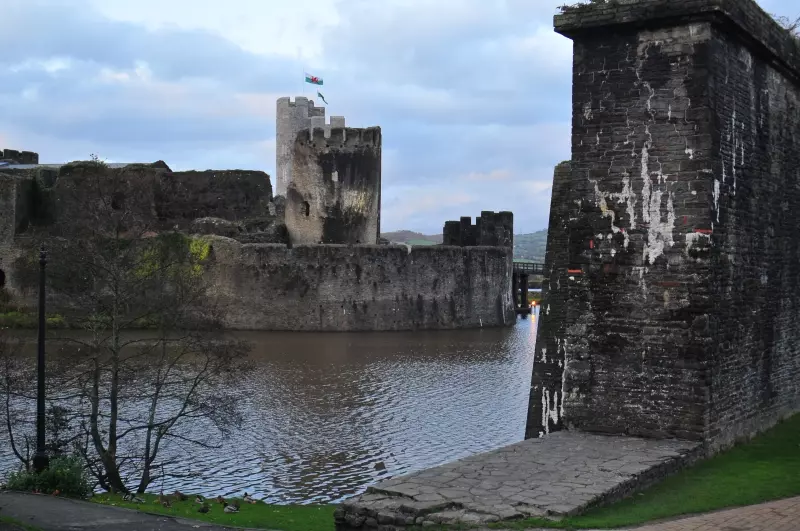
Fortified Welsh castle complex with towers, moat and Welsh flag as an image for cultural and coastal travel in the British Isles.
Brief facts on the subject
- Small British islands vary greatly in landscape, ferry journeys, size and supply options.
- The Channel Islands connect coastal paths, port cities, bays and short paths on Jersey, Guernsey, Alderney and Sark.
- The Isle of Man offers port towns, coastal walks, historic railways and an independent island culture.
- Scottish islands range from Skye and Mull to the Outer Hebrides, Orkney and Shetland.
- Accommodation includes ferry port, car rental, heating, shopping and weatherproof lounges.
- Ferry plans, check-in periods, vehicle take-away and weather-related changes should be checked before booking.
Small islands off the UK are suitable for travelers looking for manageable places, port cities, coastal paths and a particular regional culture. Between the Channel Islands in the English Channel, the Isle of Man in the However, the Irish Sea and the Scottish island groups are very different. Those who prefer beaches and short distances plan differently than someone who spends several days through moorlands, cliffs and remote villages. wants to wander.
Channel Islands: Jersey, Guernsey, Alderney and Sark
Jersey is the largest of the Channel Islands and connects the capital Saint Helier with sandy bays, tidal coasts and historic sites such as Jersey War Tunnels and Mont Orgueil Castle. Saint Helier is suitable as Location if restaurants, shopping, museums and the port are to be accessible on foot. To the west and north are quieter stretches of coastline; for a holiday home there are car or bus connections The distance to the supply is especially important.
Guernsey looks small and is known for coastal paths, small coves and the port city of St. Peter Port. From the waterfront, paths lead to viewpoints and coves, while the surroundings of Castle Cornet and Victor Hugo House appeals to those interested in culture. If you are looking for a quiet accommodation, you should check whether the way to the port, restaurants and a larger grocery store is practical even without a car.
Alderney is smaller and quieter. St. Anne is the central place; Braye Harbour is important for travel and maritime orientation. Coastal paths, forts and open landscapes speak nature and History buffs. Sark is car-free and is mainly visited for its tranquility, trails through hedge landscapes and the cliffs. For Sark, the transfer from the jetty, luggage and the last distance belong to the Accommodation in planning.
Isle of Man: Ports, Coastal Routes and Island History
The Isle of Man offers more space for round trips than the smaller Channel Islands, but remains manageable enough for a multi-site vacation. Douglas is the main port and transport location. The promenade, The Manx Museum and the historical railway provide a good introduction to the island’s history. Peel on the west coast is characterized by Peel Castle, the port and the view of the Atlantic Ocean. To the north are Ramsey and the Point of Ayre, in the south Port Erin and Port St. Mary with coves, cliffs and short coastal paths.
For excursions, the historical railways and coastal roads are interesting; Timetables and seasonal offers should be checked in advance. Accommodation in Douglas is convenient if bus connections and Restaurants are important. If you are looking for quiet evenings, coastal hikes and short distances to coves, you will find suitable locations at Peel, Port Erin or in smaller villages. For arrival there are ferry connections from Mainland Britain; Timetable, vehicle transport and check-in are part of the specific travel planning.
Scottish Islands: Skye, Mull and the Hebrides
The Isle of Skye is connected to the Scottish mainland via a bridge and is therefore suitable for an island trip without an additional ferry route at the beginning of the stay. Portree is the most important place with port, Shopping and excursion offers. Famous landscape destinations include the Old Man of Storr, the rock landscape of Quiraing and the surroundings of Dunvegan Castle. Because of the distances and the often With narrow roads, the accommodation should be chosen so that long return journeys are not necessary every day.
Mull is a destination for nature, coastal towns and slow days. Tobermory is known for its colorful portscape and the Mull Museum, which conveys the history of the island. Oban on the mainland is an important starting point for the ferry journey to Craignure; From there it continues on the road. Duart Castle and the offshore island of Iona complement the cultural and nature holiday. Those who arrive with their own car should Ferry reservation, vehicle size and the way from the jetty to the accommodation clarify early.
The Outer Hebrides include Lewis and Harris as well as other islands with long beaches, moorlands and Gaelic culture. Stornoway is the main center and an obvious starting point for supply and Arrival. Tarbert connects the two great landscapes of Lewis and Harris; the beaches of Luskentyre and the Callanish Stones are among the defining destinations. The paths are long, therefore several Overnight places or a clearly limited day program usually makes more sense than daily island crossings.
Orkney and Shetland: Archaeology, Cliffs and Port Cities
Orkney lies north of the Scottish mainland and connects open coastlines with exceptionally well-preserved prehistoric sites. Kirkwall is the main place with port, St. Magnus Cathedral and shopping opportunities. Stromness has a historical portscape and short distances by the water. Skara Brae, the Ring of Brodgar and the Italian Chapel are out of town and are best served by car or Connect organized excursions. For a holiday home holiday, wind-protected location and accessible shopping are particularly valuable.
Shetland is even further north. Lerwick is a port city, supply center and good starting point for excursions. Scalloway complements the journey with history and a protected bay; Waiting on the Outer Coasts Cliffs, lighthouses and vast landscapes. The arrival can be made depending on the starting point by ferry or flight. Due to the long distances, the wind and possible weather changes, the accommodation should not only the sea view, but also according to accessibility and heating possibilities are chosen.
Anglesey, Isle of Wight and Scilly Islands
Anglesey is located off the North Welsh coast and can be reached via the Menai Bridge. Holyhead is the main ferry port; Beaumaris with castle and shoreline as well as the coastal landscapes at South Stack offer Different destinations. The island is suitable for travelers who want to combine Wales with an island stay and are looking for accommodation with car access. At cliffs and tides count fixed paths, weather reserve and local advice.
The Isle of Wight is more developed and suitable for a first holiday with an island feel, without having to do without larger places. Newport is inland, while Cowes, Ryde, Yarmouth and Ventnor have their own coastal and port profiles. Osborne House, the Needles and the beaches in the south offer variety. For families and short stays, ferry port, accommodation and day destinations with short travel times are especially crucial.
The Scilly Islands are located off Cornwall and are mostly accessible via St. Mary’s with the main town of Hugh Town. Small islands like Tresco and St. Martin’s stand for beaches, gardens and very quiet days. The limited Infrastructure and weather-dependent travel require flexible planning; Baggage, transfers and possible days of downtime should be considered before booking.
Which small island is suitable for which holiday?
For a short stay with port city, restaurants and manageable trails, Jersey, Guernsey or the Isle of Wight fit. Those looking for historical places and an independent island culture will find on the Isle of Man between Douglas, Peel and Port Erin many different impressions. For hikes, wild coasts and as little urban everyday life as possible, Skye, Mull, the Outer Hebrides, Orkney or Shetland are suitable. Anglesey combines good accessibility with the Welsh coast, while the Scilly Islands are especially interesting for slow days and small beaches.
When choosing accommodation, the location to the port of arrival should be given greater weight than a single feature. For a first trip are a place with shopping, restaurant and bus connection as well as heating and A kitchen is usually more reliable than a secluded house with daily vehicle requirements. The notes on Holiday home holidays, to Arrival and departure and to the Travel times Help with the concrete preparation.
Entry and travel documents
For German travelers, a valid passport is planned for entry into the United Kingdom, Jersey, Guernsey and the Isle of Man. For visa-free tourist stays, a electronic travel authorisation (ETA); It does not guarantee entry. Pass validity, ETA and possible further requirements should be made before booking and again before departure based on the specific destination and the itinerary is examined.
Plan arrival and booking practically
Before booking, the starting point, the destination or the ferry port, the vehicle and the route to the accommodation should be considered together. The Channel Islands, Isle of Man, Mull, Hebrides, Orkney and Shetland can be crucial ferry seats or baggage regulations. For preparation, the instructions shall be: Travel arrangements and Costs and additional costs useful. In addition to the rental price, ferry, vehicle, parking, final cleaning and transfers can affect the travel budget.
Before closing, access, parking, heating, washing machine, internet, shopping and the distance to the feeder should be clarified in writing. The test points for a Holiday accommodation before booking and for one Barrier-poor holiday accommodation are especially helpful if paths, stairs or luggage transport play a role. Who travels with a dog should also provide the general information about Traveling with a dog observe.
Current information on travel planning, regions and travel to the UK is available VisitBritain. Ferry companies and island administrations should also be checked shortly before departure for schedule changes, weather and local rules.
Frequent questions about small British islands
Which small British island is suitable for the first island holiday?
The Isle of Wight, Jersey and Guernsey are relatively well developed. They connect ports, accommodation, excursions and supply with manageable distances.
Which island is particularly quiet?
Sark, Alderney, the Scilly Islands and remote parts of the Outer Hebrides offer plenty of tranquility. For this, supply, transfers and weather-related changes must be planned more carefully.
Where are the most impressive Scottish landscapes?
Skye, Mull, the Outer Hebrides, Orkney and Shetland each offer different landscapes. For the choice, ferry times, desired hikes and the distance between the day destinations are crucial.
Do I need a car on the small islands?
On the Isle of Wight, Anglesey and Skye, a car facilitates many excursions. On Jersey, Guernsey or Douglas, buses and short distances may suffice; on smaller islands, local transfers count.
How do I plan the ferry journey?
Timetable, check-in period, vehicle size, luggage, parking at the port and a time buffer should be checked before booking. In the case of weather-dependent connections, a fallback plan makes sense.
When is the best time to travel?
May to September offers long days and good conditions for coastal routes. Spring and autumn are calmer, but can be windier and wetter.
Are the small islands suitable for families?
Yes, especially the Isle of Wight, Jersey, Guernsey and Anglesey. Accommodation, beach access, short distances and a weatherproof alternative program should fit the family.
What do I need to check for accommodation on an island?
Important are the distance to the port, access, heating, shopping, luggage transport, parking and accessibility in bad weather.
Photo: Alesia Belaya