Azores
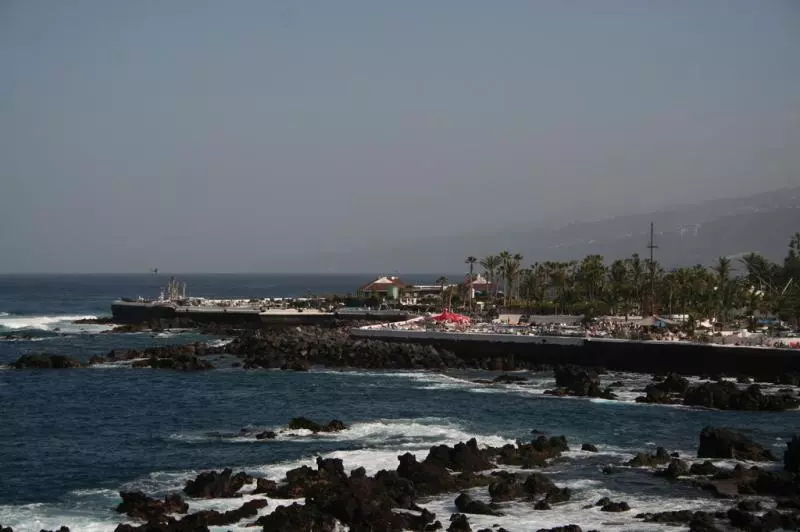
Dark coast with waves and palm trees as a non-site-specific symbolic image.
Brief facts on the subject
- The Azores offer volcanic landscapes, crater lakes, thermal springs, coastal paths and a changeable Atlantic weather.
- The archipelago consists of nine inhabited islands in the groups Eastern, Central and Western Azores.
- São Miguel is particularly versatile for the first stay; Smaller islands often have less traffic and infrastructure.
- Regional flights and ferries connect the islands, but timetables and crossings may depend on the weather.
- A rental car facilitates excursions to lakes, viewpoints, hiking trails and remote coasts.
- Accommodation includes heating, dry parking, kitchen, parking and a good alternative in fog or rain.
The Azores are not a classic destination for a pure beach holiday. The charm lies in the alternation of volcanic lakes, green slopes, hydrangeas, hot springs, pasture landscapes and small port towns. The weather can change within a few hours; Therefore, the travel plan should remain flexible. If you want to connect several islands, plan flight, ferry, luggage and additional buffer days together.
São Miguel: Crater Lakes, Furnas and Ponta Delgada
São Miguel is the largest and most developed island in the archipelago. Ponta Delgada is the main urban hub with airport, port, old town, restaurants and shopping. Lead from here Roads to the viewpoints via Sete Cidades, Lagoa do Fogo and east to Furnas. The thermal springs and the volcanic landscape around Furnas are among the most famous destinations on the island.
To the west are the crater landscape of Sete Cidades and the view from Vista do Rei. In the island center, Lagoa do Fogo is an important natural destination; Fog can conceal the view in the short term. Furnas in the East connects thermal springs, parks and volcanic cuisine. For the accommodation, the location between Ponta Delgada, Ribeira Grande and Furnas is crucial: those who want to visit other regions every day need a car We should not underestimate travel times.
Terceira: Angra do Heroísmo and volcanic paths
Terceira connects the historic city of Angra do Heroísmo with green pastures, coastal bays and volcanic caves. Angra is a UNESCO World Heritage Site and is the most important place for city sightseeing, gastronomy and Culture. Praia da Vitória has an airport, a port and a long beach; The city can be interesting for families and for accommodation with good care.
Natural destinations include the Algar do Carvão and the Furnas do Enxofre. For caves and craters, opening times, road safety and weather should be considered. Accommodation in Angra is suitable for culture and Evening program, while Praia da Vitória offers shorter distances to the airport and beach.
Pico, Faial and São Jorge: mountains, port and Fajãs
Pico is characterized by the volcano of the same name. Madalena is the main port and starting point for crossings to Faial; Lajes do Pico and São Roque do Pico complement the supply and access to coastal destinations. The ascent of the Pico is a challenging mountain tour and should only be planned with suitable preparation, weather testing and, if necessary, local guidance. The winegrowing culture of the island is also part of Character like black lava stone walls and sea views.
Faial is known for Horta, a traditional port for Atlantic sailors. The Caldeira and the volcanic landscape of Capelinhos offer strong nature experiences; Fog and wind can change the view. São Jorge is known for steep coasts and the so-called Fajãs, fertile terraces at the foot of the cliffs. Velas and Calheta are important places. Hikers should advance elevation differences, return route and transfer to accommodation check.
Flores and Corvo: Waterfalls and Remote Nature
Flores is the green and rainy island to the west. Santa Cruz das Flores owns airport and port; Lajes das Flores is another important place. Waterfalls, lakes, basalt coasts and short but partly Demanding hiking trails characterize the landscape. Accommodation on Flores suits nature lovers who seek peace and accept weather changes. Shopping and rental cars are more limited than in São Miguel.
Corvo is the smallest inhabited Azores island and is mainly visited because of the large volcanic crater. Vila do Corvo is the central place. The connection from Flores to Corvo may depend on the weather; A day trip Therefore, should only be planned with sufficient time buffer. For a longer stay, care, accommodation capacity and return travel must be checked particularly carefully.
Graciosa and Santa Maria: quiet paths and other coasts
Graciosa is smaller and quieter than São Miguel or Terceira. Santa Cruz da Graciosa is the most important place; Furna do Enxofre is one of the special volcanic destinations. The island suits travelers who are short Looking for paths, rural landscapes and a decelerated stay. When it comes to accommodation, shopping and car rental availability are more important than a supposedly central location.
Santa Maria is located in the southeast and often has drier, sunnier landscapes as well as bright beaches. Vila do Porto is the central place and point of arrival. The island is easy with hiking, coastal visits and Connecting smaller bathing spots. Due to the limited connections, the return journey should not be made too close to an international flight.
Island hopping, travel time and mobility
The airport of São Miguel in Ponta Delgada is the main international access. Other airports include Terceira, Faial, Pico, Santa Maria and Flores. Regional flights connect many islands Faster than ferries. Ferries are especially important between the central islands; Timetables and seasonal connections may change. The official Tourism Portal of the Azores is a suitable first point of contact for up-to-date travel and island information.
The summer months are popular because of longer days and many excursion offers, but even then rain or fog is possible. Spring and autumn are suitable for nature travel if hikes are flexibly postponed may. In winter, wind and sea conditions must be taken into account more. For the Travel time Therefore, not only temperatures count, but also visibility, road conditions, ferry plan and the desired activity.
On most islands, a rental car for lakes, viewpoints and hiking trails is very helpful. For small islands, vehicle availability, filling stations and opening hours should be checked. The Arrival and departure must connect flight, ferry, luggage, car rental and key delivery. For several islands, an additional buffer and a flexible accommodation strategy makes sense.
Before booking, the guidance will help Accommodation checkpoints, Costs and additional costs and Travel arrangements. Families pay attention to heating, railings, kitchen and dry lounges; Then there are the signs.Apartment with children useful. Who travels with dog checks ways, transport and accommodation over Travelling with animals. The general overview Island holidays Helps to compare with other island regions.
Frequent questions about the Azores
Which Azores Island is suitable for your first stay?
São Miguel offers the largest selection of landscapes, places, rental cars and excursions. Terceira is a good alternative for culture, city and volcanic landscape.
Is it raining constantly in the Azores?
No, but weather and visibility change frequently. A flexible daily plan with goals at different heights makes sense.
Do you need a rental car in the Azores?
On many islands, a car significantly facilitates access to lakes, viewpoints and hiking trails. In Ponta Delgada or Angra you can spend individual days without a car.
Is island hopping in the Azores easy?
It is possible, but air and ferry connections are not completely independent of the weather. Between central islands, ferries are particularly relevant; Additional buffer days reduce the risk.
Which island is suitable for hikers?
São Miguel, Flores, São Jorge, Pico and Faial offer different walking landscapes. Elevation differences, weather and return transport must fit your own experience.
Where are important ports?
Ponta Delgada, Horta, Madalena, Angra do Heroísmo, Praia da Vitória, Velas, Vila do Porto and Santa Cruz das Flores are important port or arrival points.
Is it possible to swim in the Azores?
Yes, there are natural sea swimming pools, coves and individual sandy beaches. Waves and safety conditions may change rapidly; Guarded or officially designated bathing places are preferable.
What should be available in a holiday accommodation in the Azores?
Heating, dry parking, kitchen, parking and good connections are particularly useful. For remote houses, shopping, Internet and contact persons should be clarified in advance.
Photo: Dago