
Avoid vacancy on holiday properties
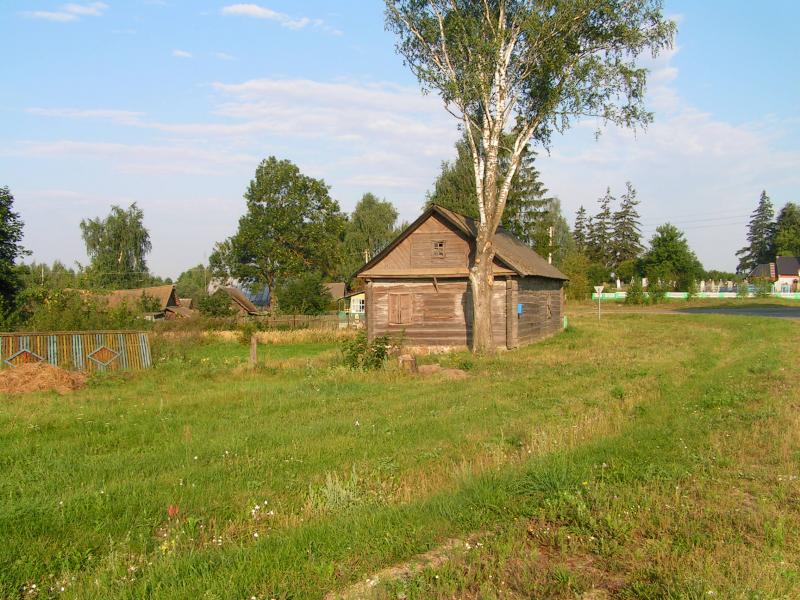 Rustic wooden house in a rural environment as a symbolic image for vacancy, use and local development.
Brief facts on the subject
- The 2022 census covered around 1.9 million vacant apartments or 4.3 percent of the housing stock in Germany.
- Vacancy and housing shortage can occur at the same time, because apartments do not fit regionally, temporally or qualitatively.
- Holiday rentals can enliven unused properties, but are not everywhere a substitute for permanent housing.
- Durable, seasonal and mixed use differ in yield, effort, flexibility and public impact.
- Municipal rules, permits and diversion requirements must be checked at the specific location.
What current figures show – and what not
The 2022 census, the results of which were published in 2024, covered about 1.9 million vacant apartments in Germany; this corresponded to about 4.3 percent of the housing stock. The figure describes a nationwide deadline and does not say how many apartments in a particular community are habitable in the short term, permanently free or suitable for local demand.
For classification, the Rental of the concrete property Therefore, a local decision. The Federal Statistical Office provides information on housing and publishes the census results; For current location data, the municipality, district or responsible housing market reports are also relevant.
Why Empty Places Burdened
Permanently unused buildings can cause owners ongoing costs, humidity, maintenance and safety issues. For places, neglected houses can weaken the townscape, reduce demand for crafts and services and thin out neighborhoods. In small communities, a manageable number of unused apartments can be noticeable.
The effect depends on the location. A house in need of renovation without infrastructure is different to an immediately usable apartment in a tense rental market. Therefore, condition, location, size, accessibility and local needs should be considered together.
Holiday rentals as a possibility
Holiday guests can temporarily revive an otherwise unused property and generate income for maintenance, cleaning, crafts and local offers. The prerequisite is demand, reliable operation and on-site support.An honest advertisement and regular object checks are a practical basis for this.
Holiday rental does not automatically solve housing shortages. If employees, families or older people do not find a suitable apartment on site, a permanent rental can be more socially sensible. Seasonal or longer stays can also be a middle ground if the rules and needs fit in.
Use permanently, seasonally or mixed
In the case of permanent rental, income, exchange expenses and flexibility are different than for holiday guests.Comparison of Uses should at least consider yield, cost, time, risk, self-use, housing needs and neighbourhood. Mixed use can combine private times, longer stays and tourist season.
Don’t just calculate the possible price per night.The rental price calculation shall include vacancy, cleaning, reserves and administration. For each variant, Condition and equipment, House Rules and Access and care adapted.
Talk to the community and neighborhood
Before changing use, owners should ask municipality, building office or housing office about local requirements. This can include permit, misuse, notification, tourist tax, parking spaces, fire protection or rules of the community of owners. The information should be recorded with date and competent body.
A good neighborhood solution requires reachable contacts, consideration for peace and trash as well as a reliable process for guests.Contracts and conditions should be understandable. For planning, you will receive general orientation and will not replace legal, tax or construction advice.
Regional housing shortage
The Rental decision There is no uniform rule for Germany. The 2022 census covered approximately 1.9 million vacant homes, or about 4.3 percent of the housing stock; This is a nationwide deadline and not a current number for each municipality. The Federal Statistical Office provides general housing information. For a concrete decision, municipal housing market reports, building authority and municipality are closer to the local location.
Housing shortage and vacancy can occur at the same time if apartments are in the wrong place, in need of renovation, do not fit the household size or are only temporarily free. Therefore, it should not be derived from a federal figure alone whether holiday guests, permanent residents or a mixed use are the better solution.
Frequent questions
Does vacancy automatically mean housing shortage?
No. Vacancy can miss the need regionally, temporally or qualitatively. Both phenomena can exist simultaneously.
What is the current figure of 1.9 million vacant apartments?
It comes from the 2022 census and was published in 2024. For a municipality, more up-to-date local data and the concrete suitability of the apartment are crucial.
Can holiday rentals prevent vacancy?
Yes, if there is demand and care. However, it is not the best use everywhere, especially when permanent housing is urgently needed.
What is Mixed Use?
For example, own use, longer off-season rental and holiday guests in suitable periods. Local rules must fit in.
Who should I ask in advance?
Depending on the locality municipality, building office, housing office, tourist office, tax office, community of owners and, if necessary, expert advice.
Photo: Ilya
