
Smolenice: Holiday Apartment and Nature Experiences in the Little Carpathians
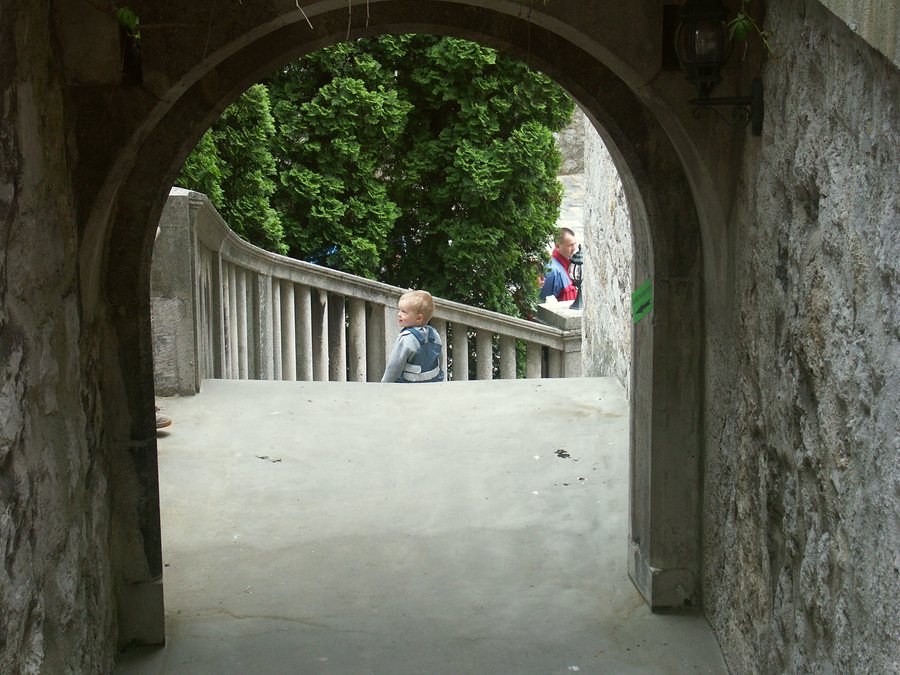 File:Slovakia Smolenice Castle 1.JPG
Photo: Rado Bahna~commonswiki via Wikimedia Commons, Public domain
File:Slovakia Smolenice Castle 1.JPG
Photo: Rado Bahna~commonswiki via Wikimedia Commons, Public domain
In Smolenice, trails through the Smolenický kras meet castle history, cave landscapes and the world of mead. The Náučný chodník Smolenický kras is an easy, self-guided hiking trail that can be walked year-round. Over 4.5 kilometres, it climbs 230 metres in elevation, passes eight stations and takes approximately one and a half hours of walking time.
Nature
A special feature of the Smolenický kras is Jaskyňa Driny. It is considered the only publicly accessible cave in western Slovakia. The cave is located in the Little Carpathians southwest of Smolenice, near the Jahodník recreation centre, and lies within the Little Carpathians Protected Landscape Area. The visitor route through Jaskyňa Driny is 450 metres long and takes approximately 35 minutes.
From the car park at Jahodník, a forest path approximately one kilometre long leads to Jaskyňa Driny. It climbs around 100 metres in elevation; the walking time is approximately 20 minutes. The Náučný chodník Smolenický kras educational trail runs from Jahodník via Jaskyňa Driny, Vlčiareň and Hlbočianska dolina to Vrtichov lom in Smolenice.
West of Smolenice lies the canyon-like Dolina Hlboče with exposed rock formations, karst features, a waterfall and large potholes. The area was designated a nature reserve in 1981 over an area of 123 hectares. Since 1995, it has been a national nature reserve with the highest level of protection. The valley can be reached via a blue-marked hiking trail; at the end there is a waterfall that carries water only periodically.
Since 1994, the protected summit area of the Little Carpathians has also been protected. It includes Záruby, the highest mountain in the range at 768 metres, as well as Čelo, Ostrý Kameň and Veterlín.
Culture and History
Today’s Smolenický zámok was built at the beginning of the 20th century on the ruins of a castle constructed in the middle of the 15th century. Count Jozef Pálffy began construction of today’s château on the ruins of the old castle. During visits, only the lower inner courtyard is accessible.
Another historic site is Hradisko Molpír, a hillfort of the Kalenderberg culture. Its area covers 12 hectares and is divided into three sections: two outer baileys and an acropolis. Parts of the fortifications, a gate, a cult object and a cistern have been restored and are on display. Information panels along the educational trail explain the individual objects.
The Múzeum Molpír is housed in the building of the former rectory. It displays finds from the Iron Age Molpír hillfort, a section about Štefan Banič, historical books from the 17th to the 19th century, the history of the village, the flora and fauna of Smolenice and its surroundings, minerals, and the ethnography of Smolenice and its surroundings. For technical reasons, the Múzeum Molpír is closed until further notice.
Food and Drink
The Včelovina visitor complex is located below Smolenický zámok. There, visitors can take part in a guided tour of the mead production process with a tasting of three meads. In addition, Včelovina offers a guided tasting of nine types of mead. For schoolchildren, there are educational excursions focused on hands-on experiences, during which they learn about different types of flowers, the work of beekeepers and life in a beehive.
Other destinations in the same local directory:Košolná, Boleráz, Šúrovce, Malženice, Jaslovské Bohunice, Horné Orešany, Trnava, Hrnčiarovce Nad Parnou.
Check prices, availability and amenities for your travel dates directly on Booking.com.
View accommodations and offersAdvertisement · Affiliate link to Booking.comTo the higher-level travel overview: Trnava.

