
Nowogródek Pomorski
Accommodation in Nowogródek Pomorski
An early Gothic granite church, the former manor farm and park complex Folwark Sumiak, and the ruins of a Dutch tower windmill give Nowogródek Pomorski a distinctive cultural and historical character. The town’s historic spatial layout adds to this. Those interested in architectural history and how a place has developed will find several topics here that can be explored individually.
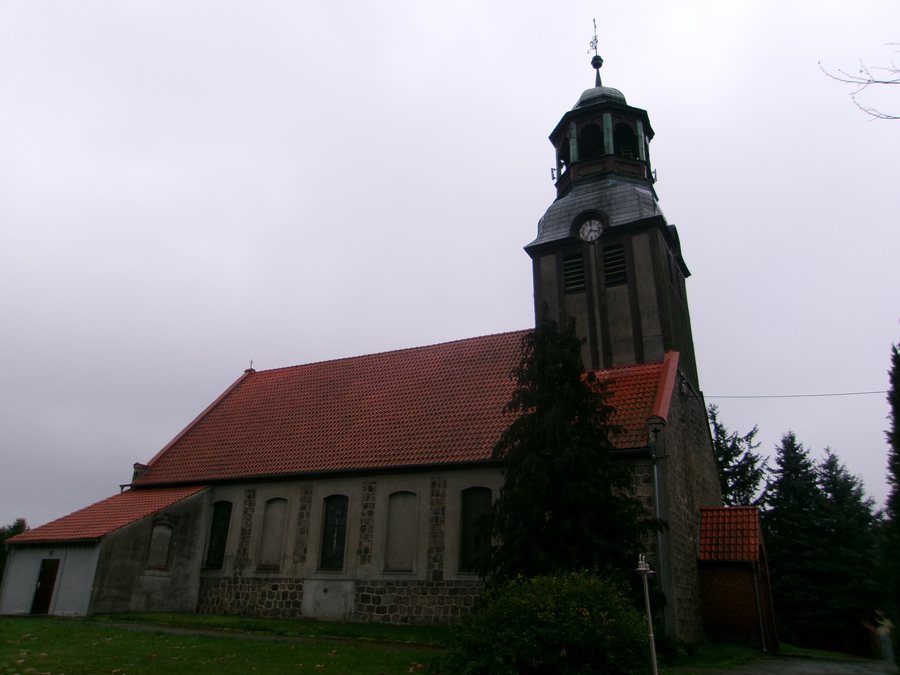
Church and cemetery as records of the town’s history
The parish church of Matki Bożej Królowej Polski was built in the second half of the 13th century and rebuilt in 1752. Its description brings together different architectural features: it is an early Gothic granite church with Baroque windows and a tower. This offers culturally minded visitors more than a single architectural style to focus on. Those who pay attention to detail can see the church’s construction period and the later-mentioned Baroque windows as distinct aspects of its design.
The church is listed under monument number A-573. The church grounds also contain a church cemetery, which likewise dates from the second half of the 13th century. The two dates place the church and cemetery in the same historical period, while describing separate features of the church grounds. For visitors interested in the town’s long history, they add another historical reference point to the architecture.
Folwark Sumiak: manor farm, park and manor house
Northeast of Nowogródek Pomorski, the Folwark Sumiak manor farm and park complex lies along Barlinecka Street, on both sides of the road to Barlinek. The park of the former Folwark Sumiak dates from the first half of the 19th century. Its location is specified more precisely: it is northwest of the manor house and north of the road to Barlinek. The manor house at Barlinecka Street 13–14 dates from the late 19th century. The park and manor house therefore have different historical dates and can be considered as separate parts of the complex.
These location details help distinguish the terms: Folwark Sumiak refers to the manor farm and park complex, while the manor house and the park are individual features, each with its own description. For visitors interested in the history of manor farms, their different periods of origin offer a concrete comparison.
A windmill ruin and the historic layout
Southeast of the town, on the south side of the road to Karsko, stands the ruin of a Dutch tower windmill dating from the mid-19th century. As a building and a historical reference point, it differs from the church and Folwark.
The town’s founding on the historic trade route between Gorzów and Szczecin also helps orient visitors to its history. Together with the preserved historic spatial layout, this adds a broader perspective on the town’s development to the individual buildings. Those interested in history can therefore explore Nowogródek Pomorski not only through its individual buildings, but also through these two aspects.
Nowogródek Pomorski is an especially interesting place to consider when choosing a holiday destination if historic architecture and local history are among your travel interests. The different highlights—the church and cemetery, the manor farm park and manor house, and the windmill ruin—offer a range of themes rather than focusing on just one building. Families can decide together which of these stories most sparks their curiosity during the trip. A holiday apartment in Nowogródek Pomorski can serve as a base for planning your own holiday if these cultural and historical themes are to shape your stay.
Discover more places
More town pages: Rów, Barnówko, Parzensko, Karsko, Rózansko, Mysliborz, Dabrowa and Zydowo.
For the wider travel overview: Soldin.

