
Discover Spała: Park, Pilica and History
Accommodation in Spała
Spała lies in Spalski Landscape Park and reveals several distinct sides: a large park, the Pilica River with a bridge and landing stage, and reminders of the time when it was the hunting residence of Tsar Alexander III. There is also sacred architecture, a place of remembrance and regular events. If you are looking for a holiday apartment in Spała, you can first consider whether landscaped parkland, the river or history is of greatest interest to you as a traveller.
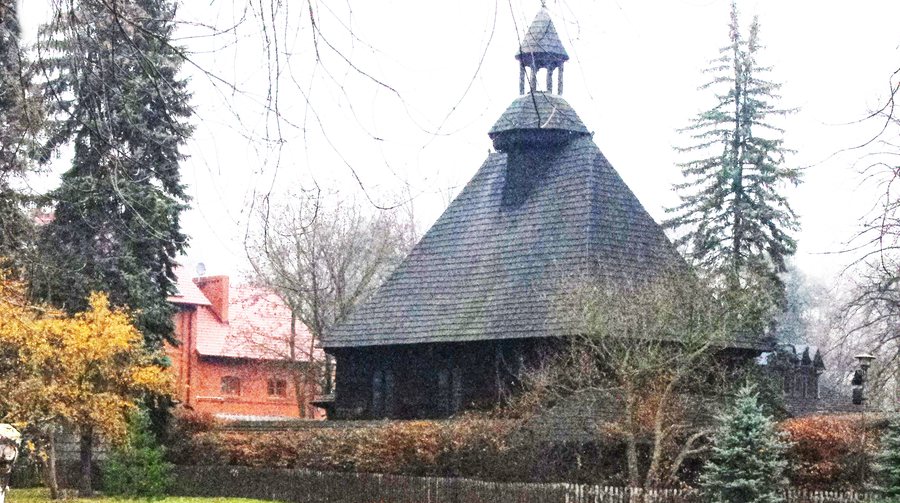 File:Kościół Najświętszej Maryi Panny Królowej Korony Polski w Spale (3) panorama.jpg
Photo: Mateusz Opasiński via Source, CC BY-SA 3.0
File:Kościół Najświętszej Maryi Panny Królowej Korony Polski w Spale (3) panorama.jpg
Photo: Mateusz Opasiński via Source, CC BY-SA 3.0
Parkland and the Pilica
Spała’s park covers 12 hectares. Fragments remain of a park laid out in the English style around the turn of the 20th century. Both the scale of the grounds and their historic design shape the character of the place. If you would rather focus on landscaped green spaces than on individual memorial sites during your stay, you can consider the park a reason in its own right to choose Spała.
The Pilica is another defining feature. The bridge in Spała across the river is listed in the register of monuments. A new landing stage near the bridge serves as a base for companies that organise trips along the Pilica. Visitors interested in the river will therefore find two different points of interest here: a listed structure and a connection to organised river trips.
Hunting history, architecture and remembrance
The 36-metre-high brick water tower is a surviving part of Tsar Alexander III’s hunting residence. Another historical connection is Spała’s life-size bison statue: the Ogariow factory in St Petersburg cast it in iron on the orders of Tsar Alexander II. Near the centre is also the Grotto of St Hubertus, a stone monument associated with Tsar Alexander III’s hunting grounds. The tower, statue and grotto each make their own distinct impression.
The sacred architecture includes the Church of Our Lady Queen of the Polish Crown. It was consecrated in August 1923 and is considered a monument of sacred architecture. The Dom Pamięci Walki i Męczeństwa Leśników i Drzewiarzy Polskich in Spała represents a different historical focus. Its three rooms contain photographs, flags, urns and other memorabilia. Those interested in architecture will thus find a different point of entry from visitors whose attention is focused on commemorating foresters and woodworkers.
Events and your stay
The Spalski Antique and Handicraft Fair is one of Spała’s three regular events with a national reach. It adds an events focus to the themes of parkland, river and history. The statement that it takes place regularly describes the nature of the market, not a specific date; for your travel planning, it is therefore best considered as one aspect of local life.
The Olympic Preparation Centre in Spała has traditionally also accommodated individual guests. Together with the town’s other features, this gives a broad picture: Spała appeals to travellers interested in landscaped parkland, the river, historical landmarks or events. When choosing a holiday apartment, you can weigh up which of these aspects you want to shape your stay.
More local pages: Tomaszów Mazowiecki, Inowłódz, Smardzewice, Kanice, Józefów Stary, Czerniewice, Ujazd.
For the broader travel overview: Tomaszowski.

_panorama.jpg)