
Szigetszentmiklós: Riverside Landscapes, Crafts and Culture
Accommodation in Szigetszentmiklós
Szigetszentmiklós brings together a diverse riverside landscape with traces of industrial history, archaeological finds and traditional crafts. You can tailor your stay to a range of interests: nature along the Ráckevei (Soroksári)-Duna-ág, insights into the town’s history, or cultural discoveries. When looking for a holiday apartment, it helps to first consider which of these aspects you would like to shape your stay most.
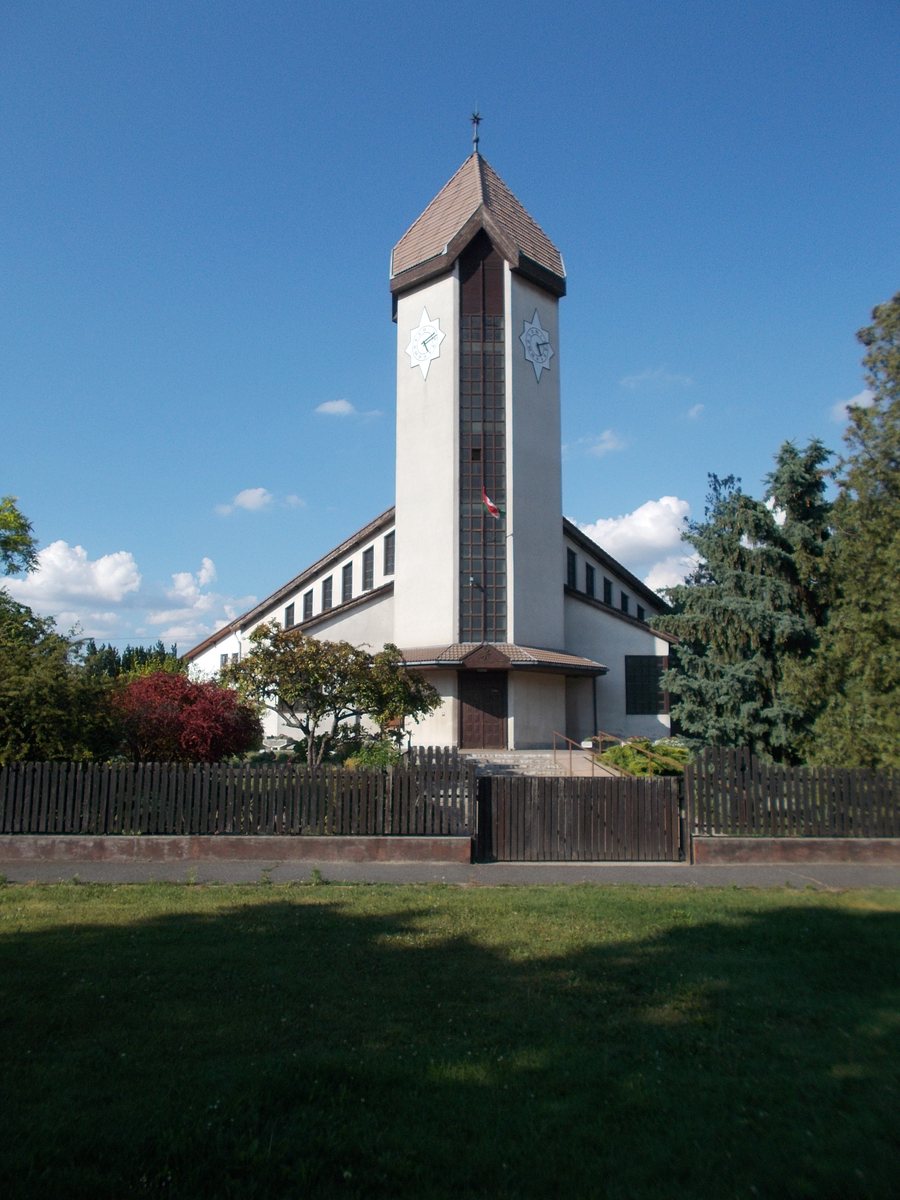 File:Kossuth utca Reformed Church SW, 2019 Szigetszentmiklós.jpg
Photo: Globetrotter19 via Wikimedia Commons, CC BY-SA 3.0
Nature along the Ráckevei (Soroksári)-Duna-ág
Along the banks of the Ráckevei (Soroksári)-Duna-ág in Szigetszentmiklós, you’ll find reed beds and floating marshes as well as groups of trees and wooded areas. These varied landscape features give the riverbank its distinctive character. A nature trail begins beside the old boat landing. This starting point provides a clear reference if you’d like to explore the trail.
Industrial history at the Csepel Autó Gyártmánymúzeum
The Csepel Autó Gyártmánymúzeum was founded in 2009 to commemorate the history of the Csepel Autógyár. It has been open to visitors in its current form since 2014. Its commemorative purpose makes the museum a distinctive point of interest for anyone interested in Szigetszentmiklós’ industrial past. Its focus differs from the archaeological themes and riverside landscape: here, the history of a company takes centre stage.
From archaeological finds to instruments
The archaeological exhibition at the Városi Helytörténeti Gyűjtemény presents finds from Szigetszentmiklós spanning a long period. The collection ranges from the Neolithic through the Copper and Bronze Ages, the Roman and Avar periods, the time of the Hungarian Conquest, and into the early Árpádian period. Visitors interested in history can explore several eras here through finds from the town, rather than focusing on just one period.
Another industrial landmark is the Lakihegyi Rádióadó. It is associated with the history of Szigetszentmiklós and recalls the early era of Hungarian broadcasting. This adds the history of broadcasting as a distinct point of interest alongside the industrial history of the Csepel Autógyár. The Molnár Imre Citeragyűjtemény offers a different cultural focus: its more than 100 exhibits show the development of the traditional Hungarian zither and related instruments from abroad. The comparison between Hungarian zither traditions and instruments from other countries is a special part of this collection’s appeal.
Traditional crafts in autumn
The Szabacsi nap takes place every autumn in Szabacs, the oldest part of town, which dates back to the time of King Stephen. Visitors can discover traditional crafts there and take part in a range of craft activities. The event brings together a recurring autumn celebration and the history of the district. Specific programme items may change; if a particular activity matters to you, check the current programme before your visit.
For group trips, the range of options offers different themes rather than one prescribed experience: you might be interested in crafts, archaeology, music or the riverside landscape. If you’re travelling with children, you can plan around your family’s interests without assuming that everyone enjoys the same things. When looking for a holiday apartment in Szigetszentmiklós, you can therefore first decide what kind of trip you want and plan your days accordingly.
Discover more destinations
Discover more destinations: Dömsöd, Tököl, Szigetbecse, Dunaharaszti, Áporka, Taksony, Szigethalom, Dunavarsány
Back to the main travel overview: Ráckeve.

