
Holiday apartment in Balassagyarmat
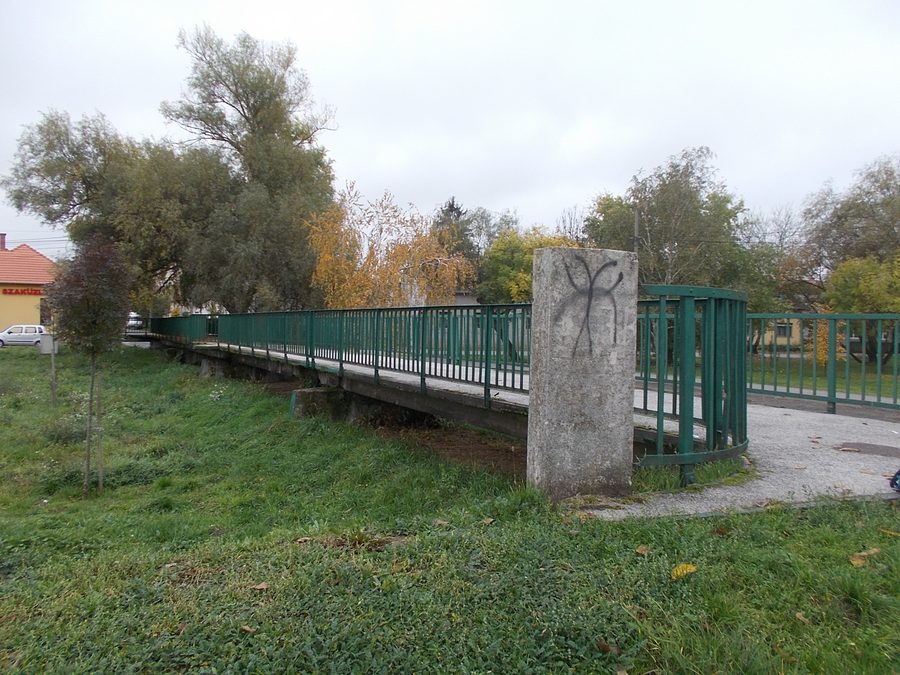 Die historische Madách-Brücke in Balassagyarmat am Ipoly.
Photo: Globetrotter19 via Wikimedia Commons, CC BY-SA 3.0
Die historische Madách-Brücke in Balassagyarmat am Ipoly.
Photo: Globetrotter19 via Wikimedia Commons, CC BY-SA 3.0
Balassagyarmat is located in northern Hungary on the Ipoly and is the seat of the district of the same name. The town combines references to Palóc culture with the locally rooted history of the honorary title „Civitas Fortissima“. For travel planning, this creates a clear local reference point: you can choose Balassagyarmat for its urban character or combine your stay with an exploration of the surrounding area.
Brief facts about Balassagyarmat
- Location: Balassagyarmat lies on the Ipoly and is the seat of the Balassagyarmat district.
- Cultural profile: The town is associated with Palóc culture as well as regional traditions and folklore.
- History: Balassagyarmat bears the honorary title „Civitas Fortissima“, which is connected to the defence of the town in 1919.
Palóc culture and town history
The connection to Palóc culture gives Balassagyarmat its own regional character. Dialect, folklore, and traditions are associated with the town and the Palóc area. This is a suitable point of reference for travellers who, in addition to landscapes, also want to place the cultural identity of northern Hungary in context.
Another layer is formed by its history as „Civitas Fortissima“. The honorary title commemorates the defence of Balassagyarmat during the attack in 1919. Anyone looking for a holiday apartment in the town can therefore plan their stay not only as an overnight stop, but also as a trip with a specific historical local reference.
On the Ipoly and with a view to the surrounding area
The location on the Ipoly is part of the town’s spatial identity. Balassagyarmat is also connected with a border region toward Slovakia and, as a district seat, plays a regional role. These details describe the place, but say nothing about specific transport links or particular accessibility. For your journey to your holiday apartment, you should therefore use the information available for the property in question and your planned route.
For further travel planning, the Börzsöny Mountains are also relevant. They are not in Balassagyarmat itself, but belong to the nearer or wider surrounding area. If you want to include landscapes as well as the town character, you can therefore regard Balassagyarmat as a possible starting point for your regional planning, without assuming any specific distance or direct access.
Which travel focus suits the holiday apartment?
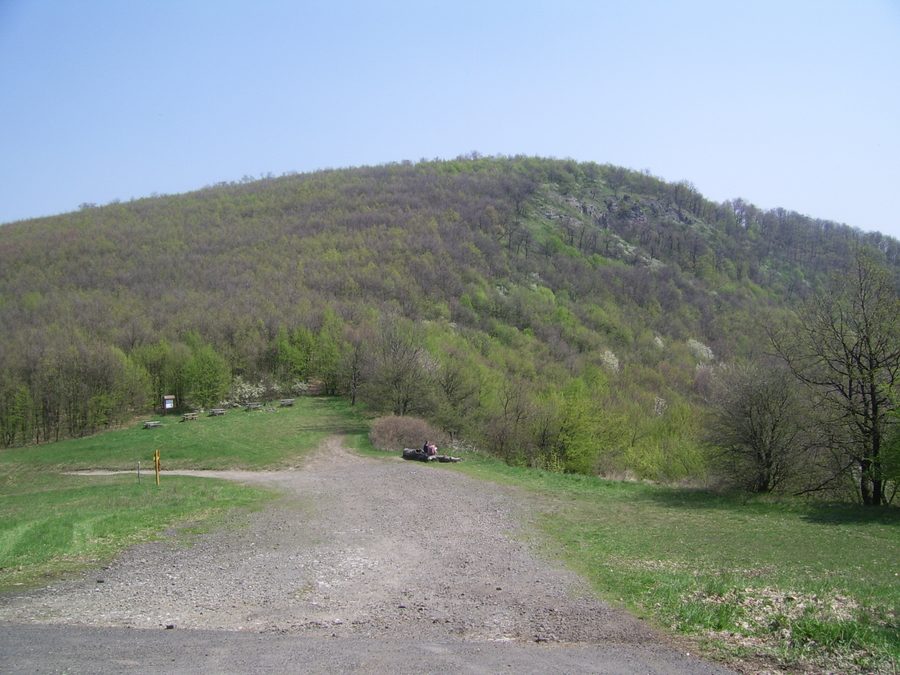
When choosing a holiday apartment in Balassagyarmat, the planned focus is therefore the first thing that matters. If you want to place the Palóc references and the „Civitas Fortissima“ history at the centre, a plan with a focus on the town is a good fit. If exploring the surrounding area and the nearby Börzsöny Mountains is more important, you should consider your planned destinations and the location of the respective accommodation together.
For a self-organised stay, compare the town focus with regional exploration. A general recommendation for a central, quiet, or family-friendly location cannot be derived from the available location information. What matters are the specific details of the respective holiday apartment and your planned route. You can find the overall overview for your further selection at Balassagyarmati.
Frequently asked questions about Balassagyarmat
What kind of travel destination is Balassagyarmat?
Balassagyarmat is a town in northern Hungary on the Ipoly. It is associated with Palóc culture, bears the honorary title „Civitas Fortissima“, and is the seat of the Balassagyarmat district.
Can Balassagyarmat be combined with exploring both the town and nature?
That is one possible travel plan: Balassagyarmat offers its own cultural and historical references, while the surrounding area and the nearby Börzsöny Mountains are relevant for a nature-oriented plan. You should check distances and specific access routes separately for your accommodation and your excursions.
What role does the Ipoly play in classifying the town?
The Ipoly is part of Balassagyarmat’s spatial identity. Together with its role as the seat of the Balassagyarmat district, this location detail helps place the town in a regional context; it is not associated with specific transport or border-crossing information.


