
The History of the Dacha: Estates, Allotments and Everyday Life
Find accommodation
Key facts
The history of the dacha is a history of changing relationships between city and countryside. Across different periods, the word has described a country estate, a rented summer house, a garden plot, a family retreat and a protected residence. These forms should be compared in their own context rather than treated as one continuous property type.
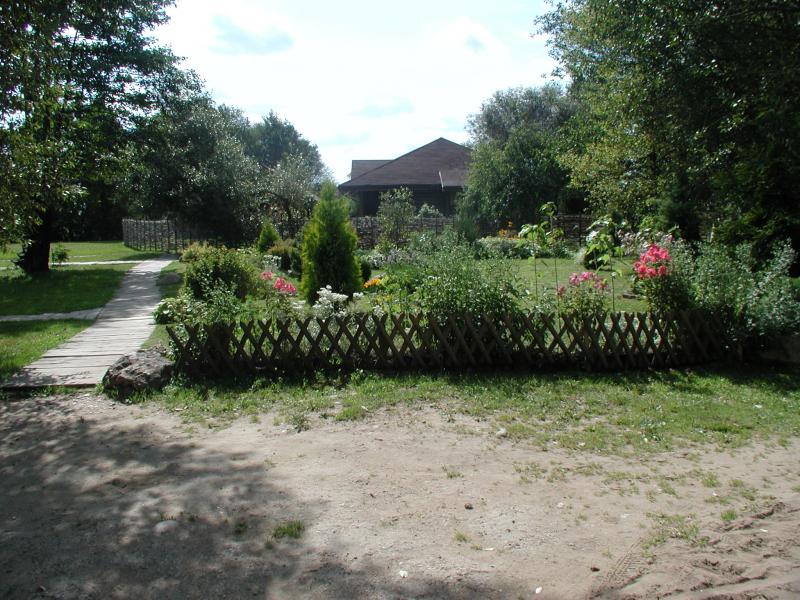 Garden with picket fence, flowers and house in the background as an example of the common dacha everyday life.
Photo: Markus Lenk
Garden with picket fence, flowers and house in the background as an example of the common dacha everyday life.
Photo: Markus Lenk
- Dacha history links country estates, garden culture, Soviet allotments and changing ideas about private space.
- Earlier estates were not the same as later garden plots or modern suburban homes.
- The word can describe a building, a plot and a way of using both.
- Self-cultivation, family recreation and social status all influenced its meaning.
- Historical ownership and access do not prove present conditions.
- Current visits require separate checks of transport, safety and official access.
Country estates and summer culture
In earlier periods, country houses were associated with land ownership, status and seasonal life outside the city. Some were substantial estates; others were modest places for rest and gardening. The surrounding landscape, household and social setting were part of the meaning, not just the building itself.
Garden plots and everyday use
For many families, a dacha became a practical garden space as well as a place to relax. Fruit, vegetables and flowers connected household work with time outdoors. A small house could provide shelter, storage and a place for meals without offering the facilities expected from a modern holiday home. The dacha house types help separate these uses from questions of year-round comfort.
Soviet allotments and privileged residences
During the Soviet period, smaller garden plots existed alongside properties assigned to institutions, artists, officials or other privileged groups. Access, location and equipment were unequal. The overview of the dacha explains the wider everyday meaning, while VIP dachas show why protected or representative residences should not be used as a model for ordinary family life.
After political and economic change
Some properties were modernised, extended or occupied throughout the year. Others remained seasonal garden houses. In affluent suburbs, large villas may still be called dachas even though their scale and security differ greatly from traditional allotments. A settlement's history can therefore include several layers of use.
History is not a current travel guide
An old account cannot confirm today's owner, route, safety situation, opening hours or accommodation. If you plan a visit, check current official information and the exact access rules. Keep museums, public viewpoints and permitted visitor facilities separate from private houses and secured sites. The dacha settlements page compares the local settings, while Peredelkino, Praleski and Rublyovka illustrate different historical associations.
Questions about dacha history
Was every dacha a luxury property?
No. Many were simple seasonal houses or garden plots used by families.
Did the meaning stay the same?
No. It changed with ownership, politics, housing, gardening and social life.
Can historical rules be applied today?
Not without current evidence. Present ownership, access and safety must be checked separately.
What should I verify before a visit?
Check transport, entry requirements, official visitor information, local restrictions and a reliable return plan.
