
Location and location of holiday property
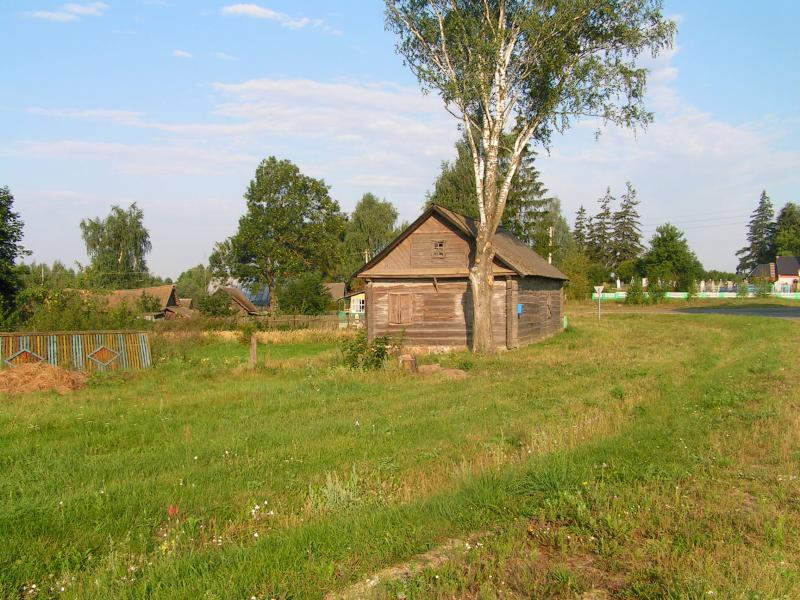 Wooden house on a street with fields and trees; Environment, accessibility and neighborhood are part of the site test.
Brief facts on the subject
- A good location must fit for your own use, accessibility and the planned rental.
- Supply, transport, Internet, leisure, noise and seasonal accessibility influence everyday usability.
- Sea views or proximity to sights alone say little about the actual value.
- Local construction, use and flood risks should be considered before purchasing.
- A visit to different times of the day and season can give a more realistic picture.
Evaluate the situation according to your own use
The right location depends on how the holiday property is to be used. For own stays include arrival, shopping, rest, leisure and proximity to important facilities. For a planned rental, target groups, seasonal demand, parking and accessibility without own car are added. A situation is therefore not generally good or bad, but must fit the planned use.
The basic decision is included in the contribution Buying Holiday Property classified. Before choosing a location, buyers should check the checklist for Test before purchase And then the guidance.Additional purchase costs take into account.
Local accessibility and care
Roads, parking, public transport, airports or train stations, shopping, medical care and the route to the object are to be examined. Map information should be complemented by a visit or reliable local information. In holiday regions, trails, ferries and secondary roads can work differently outside the main season than in summer.
Internet, mobile, heating, water and disposal are also part of the site test. If you want to rent an accommodation, you should be able to practically arrange travel and key handover for guests. In the case of Rental of holiday property Therefore, care and ongoing organization must be considered from the beginning.
Environment, risks and development
Noise from traffic, gastronomy, events or neighborhoods can affect value and use. Equally important are floods, slopes, forest fires, coastal erosion or extreme weather conditions, as far as they are relevant at the location. Buyers should ask for local hazard maps, construction projects, and usage restrictions instead of just evaluating the current view.
When buying in France, regional differences in building rights, taxes and infrastructure can be significant. Introduction Buying property in France These points should therefore be checked locally. Other countries have their own rules; on Buying Property in Belarus Current legal and practical risks must be considered with particular care.
Compare location with numbers and impressions
A comparison table can record distance, travel time, supply, noise, season, taxes, renovation needs and rentability. Visits at different times show how parking situation, noise levels and paths change. Photos and notes should be dated and placed.
The location must then be with the Funding be compatible with current costs. In the case of mediation, a Holiday Real Estate Brokers provide local information; Important information should nevertheless be independently confirmed. This information is a decision support and not legal, construction or tax advice.
Testing everyday suitability
A location often looks different in photos than in everyday life. Buyers should follow paths to shopping, beach, nature, doctor, train station or airport themselves. Also important are climbs, stairs, parking, lighting and accessibility in bad weather. For guests, clear directions and reliable key delivery can be crucial.
In the assessment, personal wishes and objective checkpoints should be recorded separately. A quiet location may be ideal for self-use, but a difficult driveway can make care and rental more expensive. The Use planning which: Funding and the Object test Therefore, they belong together.
Location and long-term costs
Distance, climate, infrastructure and building technology influence the ongoing costs. A property on the slope, on the coast or in a remote location may require more maintenance and organization. Such assumptions should be included in the Overview of costs be recorded and discussed with local professionals prior to the decision.
Example of location comparison
Evaluate two possible places with the same criteria and record the results in writing:
| Criterion | Location A | Place B |
|---|---|---|
| Accessibility without car | Good | Medium |
| Purchasing and medical care | Good | Restricted |
| Calm and personal relaxation value | Medium | Good |
| Demand outside of peak season | Medium | Open |
| Care and craftsmen on site | Good | clarification |
The assessments are a sample and must be taken on site. Visit both places at different times of the day and then check the Physical documents which: Funding and ongoing costs.
Frequent questions about the situation
Is a top tourist location always the best choice?
No. Price, noise, season, accessibility and running costs can speak against a supposed top location.
How often should you visit the location?
If possible, at different times of the day and outside the main season, so that everyday life and occupancy can be better estimated.
What is particularly important for rental?
Accessibility, target group, care, parking, care, Internet and a practical journey for guests.
What risks must be assessed?
Depending on the region, among other things, floods, slopes, forest fires, coastal erosion, extreme weather conditions and planned construction projects.
Are online maps enough for location choice?
No. Maps are helpful, but do not replace a visit or a local exam.
How do you compare multiple locations?
With a unified list of ways, care, use, risks, costs and personal priorities.
Photo: Ilya
